
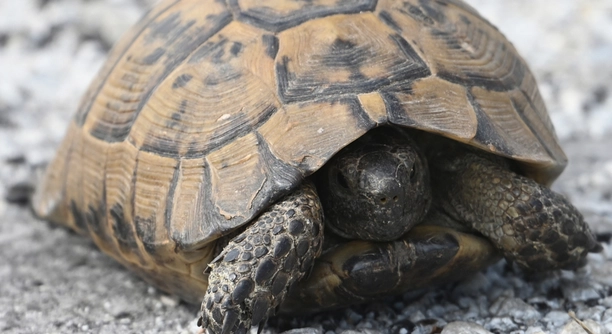
A Russian tortoise’s shell losing its shine can be concerning, but there are various reasons behind this issue. Understanding why this happens is essential to maintaining your tortoise’s health and well-being.
The loss of shine in a Russian tortoise’s shell can result from factors like improper diet, dehydration, insufficient UVB light, or poor humidity levels. These elements can impact the tortoise’s overall health and affect its shell’s appearance.
By addressing these factors, you can help restore the natural luster to your tortoise’s shell. Let’s explore the possible causes and solutions for this issue.
Improper Diet
A balanced diet is essential for a Russian tortoise’s health, including its shell. If your tortoise is lacking in nutrients, it can lead to dullness or discoloration of the shell. A diet low in calcium and high in phosphorus can negatively impact the shell’s natural shine. To maintain a healthy shine, make sure your tortoise has access to a variety of leafy greens, vegetables, and occasional fruits. Supplements may be needed if natural food sources fall short, but always consult with a vet before adding anything new to their diet.
While proper nutrition is important, overfeeding can also cause issues. Excessive amounts of high-protein foods can lead to shell problems. Keeping a balanced diet is the key to preventing dullness and ensuring a healthy, shiny shell.
A well-rounded diet with the right nutrients helps your tortoise stay healthy and maintain a shiny shell. Proper care and attention to feeding habits will go a long way in ensuring your tortoise stays vibrant and active.
Dehydration
Dehydration can quickly affect a Russian tortoise’s shell, causing it to lose its natural shine. If your tortoise isn’t drinking enough water, or if the humidity in its enclosure is too low, its shell might appear dull and dry.
Increasing water intake or adjusting the humidity levels in the enclosure can resolve this issue. Ensuring your tortoise has a shallow water dish at all times will help it stay hydrated. Regular misting of the enclosure and providing a humidity gradient can help with maintaining proper moisture levels for the tortoise’s skin and shell.
Lack of UVB Lighting
UVB lighting is essential for a Russian tortoise to process calcium properly. Without adequate UVB exposure, your tortoise’s shell may lose its shine and even develop health issues. Tortoises require UVB light to synthesize vitamin D3, which helps absorb calcium.
To maintain proper UVB levels, replace UVB bulbs regularly as they lose effectiveness over time. Place the light source within the correct distance of your tortoise to ensure it receives the proper intensity. Offering a basking spot where your tortoise can soak in UVB light is key to its overall health and shell appearance.
It’s important to provide a proper day-night cycle. Keeping the UVB light on for 10 to 12 hours a day helps simulate natural sunlight. This supports calcium absorption and prevents shell dullness.
Improper Humidity Levels
A proper humidity level is crucial to maintaining a healthy shell. If your Russian tortoise’s enclosure is too dry, its shell can lose its shine and become brittle. A balanced humidity range of 40-60% is ideal.
To achieve this, consider using a hygrometer to measure the humidity levels inside the enclosure. If the air is too dry, regular misting or using a humidifier can help maintain the right moisture. Additionally, placing damp sphagnum moss in one area of the enclosure gives your tortoise a spot to access humidity when needed.
Always make sure your tortoise has a dry spot where it can retreat to avoid excessive moisture. Maintaining a consistent humidity level helps preserve the shine and health of its shell.
Shell Damage
Physical damage to a Russian tortoise’s shell can cause it to lose its shine. Scrapes, cracks, or abrasions can make the shell look dull and less healthy. Avoiding rough surfaces or sharp objects in their enclosure can help prevent injuries.
If your tortoise does experience a scrape or injury, it’s important to monitor for signs of infection. Clean the area carefully and ensure proper healing to prevent permanent damage. The shell may take time to regain its natural luster as it heals, so be patient during this recovery period.
Temperature Stress
Too high or too low temperatures can stress your tortoise, leading to a lack of shine on its shell. Maintaining a proper temperature gradient inside the enclosure is crucial for your tortoise’s well-being.
A basking spot should be around 95°F, while the cooler side should stay around 75°F. A temperature fluctuation of this kind allows your tortoise to regulate its body temperature effectively. If the temperature is too cold, your tortoise may become sluggish, affecting its shell’s appearance.
Wrong Substrate
The type of substrate in the enclosure can impact the shine of your tortoise’s shell. Dusty or overly rough bedding materials can irritate the shell and lead to a dull appearance. Using a soft, safe substrate helps maintain the shell’s integrity.
Substrates like organic soil or coconut fiber are suitable for keeping your tortoise comfortable while preventing shell damage. It’s important to avoid bedding that could cause abrasions or retain excess moisture, which could affect the overall health of your tortoise.
FAQ
Why is my Russian tortoise’s shell losing its shine?
Several factors can cause your tortoise’s shell to lose its shine, including an improper diet, dehydration, insufficient UVB light, low humidity levels, shell damage, temperature stress, or the wrong type of substrate. It’s important to address each factor to restore the health and appearance of the shell.
Can dehydration make my tortoise’s shell look dull?
Yes, dehydration can cause your tortoise’s shell to lose its shine. When a tortoise doesn’t drink enough water or the enclosure lacks sufficient humidity, the shell can become dry and dull. Make sure your tortoise always has access to clean water and that the humidity levels in its habitat are ideal for its species.
What kind of lighting does my tortoise need to keep its shell shiny?
UVB lighting is essential for a Russian tortoise to maintain healthy calcium levels and a shiny shell. Without UVB, the tortoise can’t properly absorb calcium, which may cause the shell to become dull and brittle. Ensure the light is replaced regularly and is positioned correctly to provide adequate exposure.
Can a low-calcium diet cause shell issues?
Yes, a low-calcium diet can result in shell problems, including dullness. Calcium is necessary for maintaining the strength and appearance of a tortoise’s shell. Be sure to feed your tortoise a varied diet rich in leafy greens and supplement calcium if needed, following veterinary advice.
How can I make sure my tortoise gets enough hydration?
To prevent dehydration, ensure your tortoise has constant access to fresh water. You can also mist the enclosure to help maintain humidity, which assists in hydration. Some tortoises may enjoy soaking in shallow water, so it’s beneficial to provide a small dish for them to sit in.
Can humidity affect my tortoise’s shell?
Yes, improper humidity levels can affect the shine and health of a tortoise’s shell. If the enclosure is too dry, the shell may become brittle and lose its natural luster. It’s important to maintain humidity levels between 40% and 60%, using misting or a humidifier if necessary.
What should the temperature be for my Russian tortoise?
Maintaining the right temperature gradient in the enclosure is crucial. A basking spot should be around 95°F, while the cooler side should stay around 75°F. This allows your tortoise to regulate its body temperature and prevents stress, which can negatively affect its shell.
Is it safe for my tortoise to eat fruit?
Yes, your tortoise can eat fruit in moderation, but it should not be a primary part of its diet. Fruits should be offered occasionally as a treat. Overfeeding fruit can lead to digestive issues or an imbalance in nutrients, which may impact the appearance of its shell.
What kind of substrate is best for my tortoise?
A soft and safe substrate like organic soil or coconut fiber is ideal for a Russian tortoise. Avoid using substrates that are too rough, dusty, or that retain too much moisture, as these can irritate the tortoise’s shell and cause dullness.
How do I know if my tortoise is getting too much sunlight?
Excessive exposure to sunlight can lead to overheating, stress, or dehydration, all of which can negatively impact the appearance of your tortoise’s shell. It’s important to ensure that your tortoise has access to shade and cool areas to regulate its body temperature during basking.
What do I do if my tortoise has shell damage?
If your tortoise’s shell is scratched, cracked, or injured, you should carefully clean the wound and monitor it for signs of infection. Minor injuries may heal over time, but more severe damage may require veterinary attention. Ensuring your tortoise has a safe environment will help prevent injuries.
Can stress affect my tortoise’s shell?
Yes, stress can cause your tortoise’s shell to lose its shine. Stress can result from improper environmental conditions, overcrowding, or handling. Providing a consistent, calm, and suitable habitat will help reduce stress and support your tortoise’s health, including the appearance of its shell.
How often should I check my tortoise’s shell?
Regular checks are important to monitor the condition of your tortoise’s shell. It’s a good idea to inspect the shell every week for any signs of dullness, damage, or abnormal changes. Early detection of problems can help address issues before they become more serious.
Can a change in diet improve my tortoise’s shell?
Yes, adjusting your tortoise’s diet can improve the health of its shell. A diet rich in calcium, fiber, and essential nutrients can help restore shine and prevent dullness. Be sure to include a variety of leafy greens, vegetables, and occasional fruits while avoiding excessive high-protein foods.
How do I improve the shine of my tortoise’s shell?
To improve the shine of your tortoise’s shell, ensure it has a balanced diet, proper hydration, and adequate UVB light exposure. Keeping the enclosure at the right temperature and humidity levels also plays a role in maintaining the natural shine and health of the shell.
Is it normal for a tortoise’s shell to change color?
Some change in color is normal as your tortoise matures. However, significant changes in color, such as dullness or yellowing, may indicate health problems. If you notice a sudden or dramatic change in color, it’s best to consult a vet to rule out any underlying health issues.
Can shell health be restored after dullness sets in?
Yes, shell health can often be restored if the underlying cause is addressed. By improving diet, hydration, UVB exposure, and environmental conditions, your tortoise’s shell can regain its natural shine. Consistency is key, and patience is required as your tortoise heals.
Final Thoughts
A Russian tortoise’s shell is an important indicator of its overall health. When the shell loses its shine, it could signal issues such as dehydration, poor diet, or improper environmental conditions. Addressing these concerns early can help prevent more serious problems down the line. By making sure your tortoise has a balanced diet, proper hydration, and access to UVB lighting, you can maintain the health of its shell. Additionally, maintaining the right temperature and humidity levels in the enclosure is essential to keeping your tortoise happy and healthy.
If you notice that your tortoise’s shell is still losing its shine despite improving diet and habitat, it’s important to check for other factors that might be at play, such as stress or potential injuries. Shell damage, either from physical injury or poor environmental conditions, can also contribute to the dull appearance. In such cases, it’s a good idea to consult with a veterinarian to rule out any underlying health issues. Regular checkups will help keep track of your tortoise’s condition and ensure its well-being.
With the right care, your Russian tortoise’s shell can regain its natural shine and stay healthy for years. Prevention is key, so be proactive about providing the best environment for your pet. This includes regular checks to monitor hydration, diet, and overall health. The more consistent you are in addressing its needs, the less likely you are to face problems with shell health. Keeping a watchful eye on your tortoise and responding to its needs promptly will ensure its shell stays in good condition.

Hello,
If you enjoy the content that we create, please consider saying a "Thank You!" by leaving a tip.
Every little bit helps us continue crafting quality advice that supports the health, happiness, and well-being of pets around the world, for pets of all shapes, sizes, and species.
We really appreciate the kindness and support that you show us!