
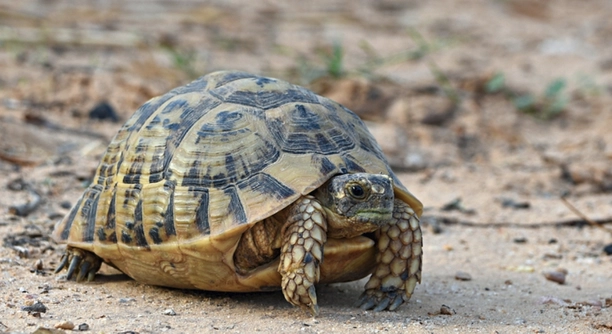
Keeping a Russian tortoise entertained indoors can be tricky. These small reptiles enjoy exploration, but their natural environment might not be easy to replicate in your home. Fortunately, with some creativity, you can keep them active and engaged.
Russian tortoises need both mental and physical stimulation to stay happy indoors. Providing a variety of textures, hiding spots, and safe objects to interact with can help. Regular changes in their environment can also prevent boredom and encourage natural behaviors.
With these ideas, you can make sure your Russian tortoise stays entertained, active, and content indoors. Keep reading to find out more helpful tips.
Provide Hiding Spots and Enrichment
A key way to keep a Russian tortoise entertained is by offering hiding spots. These creatures are naturally curious and enjoy exploring small, enclosed spaces. Hiding spots can mimic their natural habitat, giving them a sense of security. Try using small cardboard boxes, tunnels, or wooden structures that your tortoise can crawl into. These hiding areas can also serve as places for them to sleep or relax. Rotating these objects regularly will keep things fresh and exciting for your tortoise.
Hiding spots not only give your tortoise a sense of security but also promote mental stimulation. Try offering a variety of items such as plants, stones, or even shallow containers filled with sand. You’ll notice your tortoise becomes more active and engaged.
Regularly changing the setup of the hiding spots will encourage your tortoise to explore more areas, mimicking natural behaviors. Combine these hiding areas with a few foraging opportunities like leafy greens to make the experience even more rewarding. This will help your tortoise feel both safe and challenged, keeping it entertained for hours.
Set Up a Sensory Environment
A sensory environment is essential for a Russian tortoise. This includes different textures, colors, and smells that stimulate their senses. Try adding smooth rocks, rough bark, or leafy greens to their space. These will encourage your tortoise to explore, providing much-needed enrichment.
Adding a variety of textures, such as soft moss or dry leaves, will keep your tortoise entertained and engaged. Experimenting with different sensory objects ensures a more exciting and interactive environment.
Create a Tortoise Maze
Creating a maze for your tortoise is a fun way to keep them engaged. A simple maze made from cardboard or wooden pieces can encourage your tortoise to explore and find its way through. This type of activity promotes physical exercise and mental stimulation. You can set up small obstacles or tunnels within the maze to make it more challenging.
Start small, then gradually increase the complexity of the maze as your tortoise becomes more comfortable. Avoid sharp edges that could harm your tortoise, and ensure the maze is large enough for them to move freely. By varying the design, you can keep the maze interesting for longer periods of time.
Tortoises enjoy the act of discovery. A maze offers them the chance to use their problem-solving skills while staying physically active. Incorporating elements like hiding spots or food rewards within the maze can further motivate your tortoise to explore. Regular changes in the maze layout will keep it fun and engaging.
Offer Variety in Their Diet
A varied diet can also help keep your Russian tortoise entertained indoors. Providing different types of vegetables, fruits, and occasional treats gives them more to look forward to. Changing their food offerings keeps them interested and encourages healthy eating habits. Try including leafy greens like kale, dandelion greens, and collard greens, as well as small portions of fruits like strawberries or blueberries.
Besides being healthy, offering new food options also adds variety to their environment. You can hide food in different parts of their enclosure to encourage foraging behavior, a natural activity that stimulates both the mind and body. Regularly altering the placement of food keeps them active.
Incorporating food items that require your tortoise to search or dig can further promote natural behaviors. By offering variety in their diet, you create an environment that’s both enriching and beneficial to your tortoise’s well-being. Don’t forget to make sure all food is safe for tortoises to consume.
Add Safe Outdoor Time
Giving your tortoise some outdoor time, even briefly, can provide a great deal of enrichment. Setting up a small, safe, enclosed area outside where your tortoise can roam freely will encourage natural behaviors like grazing and burrowing. Just ensure the space is free of predators.
Outdoor time also allows them to explore different surfaces and encounter new smells. It helps provide the exercise and mental stimulation they need to stay happy. However, always supervise your tortoise and make sure they’re in a safe environment away from potential hazards.
Use Tortoise-Friendly Toys
Tortoise-friendly toys can help keep your pet engaged indoors. Simple items like small balls, climbing structures, or even shells can be fun for your tortoise. These toys encourage movement and exploration, providing both mental and physical stimulation.
Toys don’t need to be expensive; items you find around your home may work just as well. The key is to ensure they are safe, non-toxic, and easy for your tortoise to interact with. Switch up the toys regularly to maintain their interest.
Build a Digging Area
Digging is a natural behavior for tortoises. Setting up a designated digging area can provide hours of entertainment. A shallow container filled with safe soil or sand gives them a space to explore and dig. This satisfies their instinctual need to burrow and dig.
Digging areas should be large enough for your tortoise to move around and explore. Ensure the soil is kept clean, and monitor the area for signs of overuse. This is a simple way to provide enrichment without much effort.
FAQ
What kind of environment do Russian tortoises need indoors?
Russian tortoises require a warm and dry environment. They thrive in an area with a temperature range of 75-85°F (24-29°C) during the day, with a cooler area for resting at night. Ensure they have access to a UVB light to mimic sunlight and help with calcium absorption. A well-ventilated enclosure with a solid, absorbent substrate like coconut coir or aspen bedding will help maintain proper humidity levels and prevent respiratory issues. Include hiding spots and climbing structures to encourage exploration and mental stimulation.
How often should I feed my Russian tortoise?
Russian tortoises typically eat every other day. They are herbivores, so focus on offering a variety of leafy greens such as collard greens, dandelion greens, and kale. Occasionally, you can offer fruits like strawberries or apples, but these should be given in moderation due to their sugar content. Provide fresh food daily, but remove any uneaten food after a few hours to keep their environment clean. Additionally, make sure fresh water is always available in a shallow dish.
Can I let my Russian tortoise roam around the house?
While letting your Russian tortoise roam can be fun, it’s important to ensure the area is safe. Make sure there are no hazards like electrical cords, carpets, or other objects that could be dangerous if ingested or chewed. Always supervise them during free-roaming time and return them to their secure enclosure after a short period. Creating a safe, tortoise-friendly space where they can explore freely for a set amount of time can help satisfy their curiosity and need for exercise.
How do I keep my tortoise entertained indoors?
To keep your Russian tortoise entertained indoors, provide a variety of environmental enrichment. Hide food around their enclosure, offer different textures like rocks and plants, and set up climbing structures or tunnels. You can also create a maze or digging area for them to explore. Change things up regularly to prevent boredom, and consider adding toys designed for reptiles. Make sure to provide plenty of space for them to roam and explore to avoid stress.
Is it necessary to provide a UVB light for my Russian tortoise?
Yes, UVB lighting is crucial for Russian tortoises. UVB rays help them synthesize vitamin D3, which is essential for proper calcium absorption and bone health. Without it, tortoises can develop metabolic bone disease, which can be fatal. A UVB light should be positioned above the tortoise’s basking area and replaced every 6-12 months, as the UVB output diminishes over time. Ensure that the light is on for 10-12 hours per day to mimic natural sunlight.
What should I do if my tortoise isn’t eating?
If your tortoise refuses to eat, first ensure its habitat is correct in terms of temperature, humidity, and lighting. A lack of appetite could be caused by environmental stress or illness. Make sure your tortoise has access to clean water and is offered fresh, nutritious food. If the issue persists for more than a few days, consult a veterinarian experienced with reptiles to rule out any health concerns, such as parasites or digestive issues.
How can I tell if my Russian tortoise is stressed?
Signs of stress in a Russian tortoise can include reduced activity, loss of appetite, or excessive hiding. If your tortoise is constantly trying to escape its enclosure or seems lethargic, these could be signs that it’s not comfortable. Stress can also result from a lack of proper temperature or lighting, being handled too frequently, or a cramped living space. To reduce stress, ensure your tortoise has enough room to move around, provide hiding spots, and avoid excessive handling.
Do Russian tortoises need a humidity source?
Russian tortoises prefer a relatively dry environment, but some humidity is necessary for proper hydration and healthy skin. The humidity level should be kept between 40-60%. If your home is too dry, you can increase humidity by lightly misting the substrate or placing a shallow dish of water in their enclosure. However, it’s important not to let the enclosure become too humid, as excessive moisture can lead to respiratory issues.
How do I keep my Russian tortoise warm in winter?
During winter, ensure your Russian tortoise remains warm by using a reliable heat source. A heat lamp or ceramic heat emitter can provide the necessary warmth. Make sure the enclosure is kept in a stable, draft-free room, and maintain the temperature at 75-85°F during the day. If your tortoise is kept indoors, it should be fine throughout the colder months as long as the proper heating and lighting are provided.
Can I house multiple Russian tortoises together?
It’s generally not recommended to house multiple Russian tortoises together, as they can be territorial and may fight, especially if there is limited space. If you do decide to keep more than one tortoise, ensure they have enough room to avoid direct contact with each other. Separate feeding areas and plenty of hiding spots are necessary to prevent aggression. It’s always safest to keep each tortoise in its own individual enclosure unless closely monitored.
Final Thoughts
Caring for a Russian tortoise indoors requires creating a suitable environment that mimics their natural habitat as much as possible. Ensuring they have the right temperature, lighting, and space to roam freely is essential for their well-being. Regularly cleaning their enclosure and providing a variety of food will also keep them healthy and happy. It’s important to be consistent with their care, as Russian tortoises thrive on routine and stability. When their basic needs are met, these tortoises can live long, healthy lives indoors.
To keep your tortoise entertained, try to provide a variety of enrichment activities. This can be as simple as hiding their food to encourage foraging, adding climbing structures, or even setting up a small digging area. These activities will help keep their minds active and prevent boredom. Tortoises are curious creatures by nature, so offering them new experiences and environments is key to their happiness. Regularly changing their surroundings can also help maintain their interest.
Remember, each tortoise has its own unique personality. Some might enjoy exploring and being more active, while others prefer quiet, undisturbed time in their hiding spots. It’s important to observe your tortoise and adjust their environment based on their behavior. With the right care, your Russian tortoise can thrive indoors, becoming a fascinating and low-maintenance pet.

Hello,
If you enjoy the content that we create, please consider saying a "Thank You!" by leaving a tip.
Every little bit helps us continue crafting quality advice that supports the health, happiness, and well-being of pets around the world, for pets of all shapes, sizes, and species.
We really appreciate the kindness and support that you show us!