
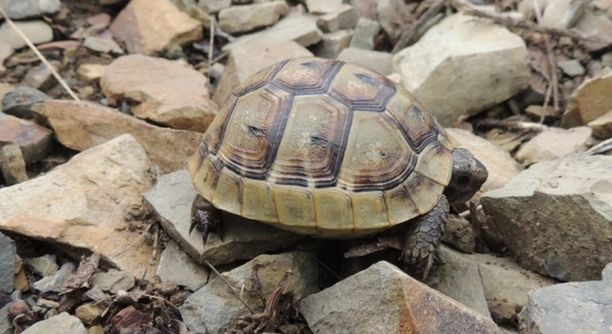
Russian tortoises are fascinating pets that need proper care to thrive. As an owner, you might notice certain behaviors that raise questions, such as your tortoise scraping its feet. This behavior can be puzzling.
Scraping behavior in Russian tortoises is typically linked to environmental factors like substrate choice, stress, or even a health issue. It can be a sign of discomfort, an instinctive action, or an attempt to dig or establish territory.
Understanding why your tortoise is scraping its feet will help you provide better care for it. We will go over several factors that could be influencing this behavior and how you can address them.
Substrate Choices: The Foundation of Comfort
The substrate you use in your tortoise’s habitat plays a big role in their behavior. If it’s too rough, too soft, or simply not what they need, your tortoise may try to scrape its feet as a way to adjust or dig. Most Russian tortoises enjoy digging, and a substrate that mimics natural conditions—such as soil, sand, or a mixture—can encourage healthy behavior. When choosing a substrate, ensure it provides enough texture for your tortoise to move around comfortably while also being safe. Avoid materials like gravel or sharp-edged stones, which could hurt their delicate feet.
A proper substrate allows your tortoise to engage in natural digging behavior. Without it, they may become frustrated, leading to foot scraping.
It’s important to replicate their natural environment as much as possible. A mix of organic soil, sand, and even some coconut coir will allow your tortoise to dig and explore freely, promoting both physical and mental health. Keep the substrate clean to avoid any buildup of bacteria that might cause irritation or stress.
Stress and Anxiety: A Hidden Trigger
Stress can be a major reason why your Russian tortoise is scraping its feet. If they feel unsafe or overstimulated, they may display behaviors like foot scraping to cope. Changes in their environment, such as new pets, loud noises, or even rearranging their habitat, can cause anxiety.
Tortoises are creatures of habit, and sudden disruptions to their routine can be stressful. They may start scraping their feet in an attempt to seek comfort or to explore what feels different. If the enclosure isn’t providing enough privacy or if there are too many changes, they may resort to scraping as a response.
It’s important to create a stable, calm environment for your tortoise. Keep the habitat quiet and consistent, with familiar surroundings. You should also be mindful of handling, as excessive interaction can contribute to stress. Making sure your tortoise has safe, quiet spaces where it can retreat will help prevent anxiety and reduce behaviors like foot scraping.
Unnatural Habitat Conditions
If your Russian tortoise’s habitat isn’t suited to its needs, it may start scraping its feet. The temperature, humidity, and lighting in their environment play a huge role in their comfort. Too hot or cold, or inadequate lighting, can lead to stress and behavior changes like scraping.
Your tortoise might scrape its feet in search of more favorable conditions. For example, if the basking spot is too hot or too cold, they may try to dig or move in an attempt to regulate their body temperature. Ensure the habitat provides the right balance of heat, light, and humidity to keep your tortoise comfortable.
Proper UVB lighting is crucial as well. It supports your tortoise’s health, helping them digest food and produce vitamin D3. Without it, your tortoise may become stressed or less active, leading to odd behaviors like foot scraping. Make sure your tortoise has a space where they can bask in appropriate temperatures for a proper balance.
Improper Diet
Diet plays an important role in your tortoise’s health and well-being. If your Russian tortoise isn’t getting the nutrients it needs, it could lead to behavior issues. Foot scraping might happen if they feel uncomfortable or unwell due to improper nutrition.
A well-balanced diet is crucial for your tortoise. Offering a variety of leafy greens, vegetables, and occasional fruit will help ensure they get all the necessary vitamins and minerals. A poor diet, or one that’s too high in certain nutrients like protein, can cause digestive problems and discomfort, leading to foot scraping.
FAQ
Why does my Russian tortoise scrape its feet?
Scraping can be caused by various factors, such as environmental stress, an uncomfortable substrate, or even health problems. Tortoises are known to dig and scrape to explore their surroundings or create burrows. If they feel stressed or their habitat is not ideal, they might engage in this behavior. A change in their environment, like moving or loud noises, can trigger scraping as a response to stress. It’s important to observe their surroundings and make sure the habitat is comfortable, quiet, and familiar to them.
How can I stop my tortoise from scraping its feet?
To stop your tortoise from scraping, start by ensuring that its habitat is set up correctly. Provide the right substrate, such as sand or soil, and ensure the temperature, humidity, and lighting are ideal. A stable environment with proper care can help reduce stress and eliminate unwanted behaviors like foot scraping. If stress is the issue, try to minimize changes to their routine, such as avoiding new pets or moving their enclosure too frequently.
Is scraping a sign of illness in my tortoise?
Scraping can sometimes be a sign of an underlying health issue, such as discomfort or irritation. If your tortoise is scraping its feet excessively or showing other signs of distress (like lethargy, loss of appetite, or swollen limbs), it could be suffering from a health problem. It’s essential to monitor for any other abnormal behavior and consult with a vet if necessary. Regular check-ups will help catch any potential issues early, especially if foot scraping becomes a frequent occurrence.
How often should I clean my tortoise’s habitat?
Cleaning your tortoise’s habitat regularly is important to maintain its health and comfort. The substrate should be changed out every few weeks, and you should spot-clean daily, removing any soiled areas and uneaten food. A clean environment helps prevent bacteria buildup and reduces the chances of skin infections or irritations that might lead to foot scraping. Be sure to disinfect the enclosure with safe, non-toxic cleaners to keep things sanitary.
Can a Russian tortoise’s diet cause foot scraping?
Yes, diet can contribute to behaviors like foot scraping. An improper diet may lead to nutritional imbalances, causing discomfort and stress. For example, an excess of protein can upset your tortoise’s digestion, leading to discomfort that may prompt scraping. Offering a variety of leafy greens, grasses, and some vegetables is essential for maintaining their health. Avoid overfeeding fruit or other foods that are too high in sugar or fat, as this can lead to health problems and behavior issues.
How can I make my tortoise feel more secure in its habitat?
Security and privacy are essential for your tortoise. Make sure there are areas in its habitat where it can hide or retreat when it feels threatened. Using hides or creating a section of the enclosure that is quieter and darker can provide a safe space for your tortoise to relax. Avoid handling them too often, especially during the day when they are most active. By providing these safe spaces, your tortoise will feel more secure and less likely to engage in stress-related behaviors like scraping its feet.
Could foot scraping be due to my tortoise trying to escape?
It’s possible that your tortoise is scraping its feet in an attempt to escape its enclosure. Tortoises are known to be curious creatures, and they may try to dig or scrape their way out if they feel confined or curious about the surroundings outside the enclosure. To prevent this, ensure that the habitat is escape-proof. Use high enough walls and secure lids to prevent your tortoise from getting out. If they still seem restless or engaged in scraping, it may be a sign that they need more space to roam or are not getting enough enrichment.
What are the best substrates for a Russian tortoise?
The best substrate for a Russian tortoise should be natural and safe. You can use a mix of soil, sand, and coconut coir to provide a comfortable surface for digging and exploring. Avoid using substrates like gravel or cedar shavings, which can cause irritation to the feet or respiratory issues. The right substrate will not only provide a comfortable area to walk on but also encourage natural digging behavior, which is crucial for their physical and mental well-being.
How much space does a Russian tortoise need to avoid foot scraping?
Space is important for your tortoise’s overall well-being. A cramped enclosure can lead to stress and abnormal behavior like foot scraping. Aim for at least 40 square feet of space for a single Russian tortoise. If possible, provide a larger outdoor enclosure where your tortoise can roam freely, dig, and engage in natural behaviors. More space allows them to feel less confined and reduces the likelihood of them becoming stressed, which may reduce behaviors like scraping.
Should I be concerned if my tortoise is scraping its feet constantly?
Constant foot scraping can be a sign that your tortoise is unhappy or experiencing discomfort. It could be due to stress, an unsuitable substrate, or an underlying health issue. Pay attention to any other signs of stress or discomfort, such as lack of appetite, lethargy, or swollen feet. If the behavior persists or worsens, it’s best to consult a vet to rule out any medical conditions. Regular observation and proper care will help ensure your tortoise stays healthy and comfortable.
Final Thoughts
Scraping feet in Russian tortoises can be a puzzling behavior, but it’s often linked to a few common causes that are fairly easy to identify and address. Whether it’s related to environmental factors like substrate, temperature, or stress, or possibly a health concern, understanding the root of the issue is the first step toward helping your tortoise feel more comfortable. Providing a safe, consistent environment is essential for reducing stress and promoting natural behavior. When you observe your tortoise closely, you can make the necessary adjustments to improve its well-being and prevent further foot scraping.
A few simple changes can make a big difference. Make sure your tortoise’s habitat reflects its natural environment, with proper lighting, temperature, and suitable substrate. Pay attention to the materials you use for bedding, as the wrong type can cause irritation. Keep the enclosure clean and quiet, and avoid making frequent changes that could lead to stress. If your tortoise is still scraping its feet despite these adjustments, it may be time to check for health issues. Consulting a vet can help rule out any underlying medical conditions and ensure your tortoise is in good shape.
Ultimately, understanding your tortoise’s behavior is key to providing the best care possible. While foot scraping may seem like a small issue, it can be a signal of something bigger. By closely monitoring your tortoise’s health, behavior, and living conditions, you can make sure they thrive in their home. Creating a stable and comfortable environment will not only help reduce this behavior but also contribute to the overall health and happiness of your tortoise for years to come.

Hello,
If you enjoy the content that we create, please consider saying a "Thank You!" by leaving a tip.
Every little bit helps us continue crafting quality advice that supports the health, happiness, and well-being of pets around the world, for pets of all shapes, sizes, and species.
We really appreciate the kindness and support that you show us!