
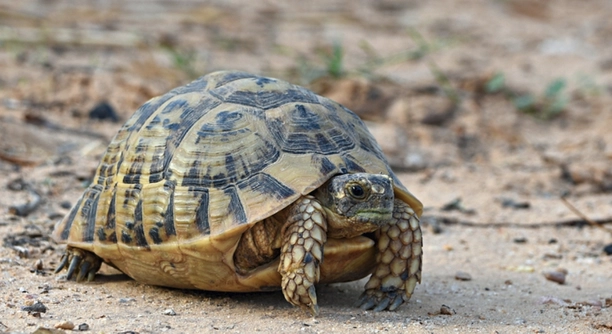
Russian tortoises are fascinating creatures, but when it comes to mating, their behavior can be puzzling. You might find yourself wondering why your tortoise isn’t interested in reproducing. Understanding the reasons behind this can help guide you toward a solution.
Russian tortoises may not be interested in mating due to factors such as improper environmental conditions, lack of socialization, or age. Additionally, seasonal changes, health issues, and stress can affect their natural mating behavior, making them less likely to engage.
Several factors can affect your tortoise’s desire to mate. By addressing these issues, you can create an environment that encourages natural behavior and well-being. Understanding the key elements will help you support your tortoise’s reproductive health.
Environmental Conditions
A proper environment is crucial for your Russian tortoise’s mating behavior. These reptiles thrive in stable, warm temperatures with access to sunlight or proper UV lighting. If your tortoise is not getting enough warmth, it can affect its hormones and prevent mating. Additionally, a suitable habitat with both dry and humid areas is important for their comfort. Without the right setup, your tortoise may not feel secure enough to engage in mating rituals. Environmental stressors like incorrect humidity or lack of hiding spots can also cause hesitation in mating.
Temperature should be carefully monitored. Inconsistent temperatures or drafts can disrupt your tortoise’s natural cycles, affecting reproduction. Be sure to mimic their natural environment as closely as possible, with a basking area around 90°F (32°C) and cooler areas of 75°F (24°C).
Tortoises are sensitive to the surrounding environment. If conditions fluctuate too much, they can become stressed or feel unsafe, which impacts their desire to mate. Offering a consistent habitat with controlled temperature and humidity levels will support healthy behaviors. Keep an eye on any changes in the environment that might trigger stress or discomfort for your tortoise.
Age and Health
The age and health of your tortoise play a large role in its mating behavior. Tortoises need to be fully matured before they are capable of mating. Younger tortoises, especially under five years old, may not have the physical or hormonal development required. If your tortoise is an adult and still uninterested, a health check might be necessary.
Health issues can inhibit mating. Illness or injury can cause physical discomfort or reduce energy levels, preventing your tortoise from engaging in reproductive activities. Common health problems that can affect their interest in mating include parasites, metabolic bone disease, or other internal conditions.
If your tortoise is not yet ready to mate due to age, patience may be necessary. If health is the issue, a visit to the vet should help identify and treat any underlying problems. It’s important to provide the right diet, exercise, and regular health checkups to keep your tortoise in the best condition for mating.
Stress and Anxiety
Stress can significantly affect your tortoise’s behavior. When Russian tortoises feel threatened or uneasy, they may withdraw or become less active, including avoiding mating. Changes in their surroundings, loud noises, or even the presence of unfamiliar animals can create stress. Keep their environment calm and quiet to help them feel secure.
Tortoises can get stressed by overhandling, too. Constant interaction may leave them anxious and unwilling to engage in natural behaviors like mating. It’s important to allow your tortoise time to adjust to its space and feel comfortable before attempting to encourage mating. Giving them a quiet, stable environment reduces unnecessary stress.
Providing them with plenty of hiding spots and ensuring the habitat is not overcrowded can help lower stress levels. If you notice any signs of stress, such as hiding, pacing, or aggression, it’s best to minimize disturbances and allow your tortoise to feel more at ease. Reducing anxiety can improve their interest in mating.
Diet and Nutrition
A balanced diet is key for overall health, and it also affects reproductive behavior in tortoises. When your tortoise isn’t getting the right nutrients, it can lead to sluggishness, health problems, and a lack of interest in mating. Providing a variety of leafy greens, vegetables, and calcium-rich foods helps support their well-being.
Tortoises need calcium and vitamin D3 for strong shells and bones. Without enough of these nutrients, their reproductive systems can suffer. Offering them a calcium supplement or cuttlebone will ensure they’re getting the right amount. A poor diet can result in weak reproductive behavior, making it harder for them to mate.
It’s also essential to provide fresh water daily. Dehydration can lead to a loss of energy and appetite, which impacts their interest in mating. A well-rounded diet, full of the nutrients and hydration they need, can help improve their overall health and boost their chances of mating successfully.
Seasonal Changes
Seasonal changes can influence your tortoise’s mating behavior. In the wild, these reptiles are more active during the warmer months, and mating typically occurs in spring or summer. If your tortoise is in a cooler environment, it may not feel the urge to mate during colder periods.
Tortoises also naturally slow down in winter, sometimes entering a hibernation-like state. This change in activity can make them less likely to engage in mating. You may notice a drop in appetite or energy during colder months, which is completely normal.
By ensuring the temperature is appropriate, and understanding the seasonal patterns, you can support their natural rhythms. Adjustments to their habitat will help them feel more comfortable during seasonal transitions.
Male and Female Behavior
Male tortoises often show signs of interest in mating, such as chasing or head bobbing. Female tortoises, however, may not always be receptive, especially if they are not in optimal health or environmental conditions. The dynamic between them can affect the mating process.
Observing their behavior can give you clues about their readiness. If the male is showing signs of aggression or frustration, the female may not be ready. Understanding their body language can help you gauge the situation and avoid causing unnecessary stress.
Reproductive Cycles
Russian tortoises have specific reproductive cycles that can affect their mating behavior. Females are only fertile at certain times of the year, typically in spring. Even if the male is interested, the female may not be receptive outside of her reproductive window.
It’s important to keep track of seasonal changes and monitor their health to understand their fertility cycles. During the mating season, females may show signs of readiness, such as digging or increased activity. Adjusting the environment to mimic natural cycles can encourage mating behavior during the right time.
FAQ
Why is my male Russian tortoise not showing interest in mating?
Male tortoises may not show interest in mating for various reasons. Stress, poor environmental conditions, or health issues can impact their natural behavior. Sometimes, males might not be fully mature, which can also delay mating instincts. Check if the temperature is too cold or if there’s any stress in the environment. If the male is healthy and well-settled in his habitat, his behavior may change with the seasons. Patience is key, as males often become more active and interested when conditions are right.
Can my tortoise mate if it’s too cold?
Cold temperatures can prevent mating behaviors. Tortoises are cold-blooded, and their activity levels drop when temperatures are too low. Mating usually happens during warmer months or in well-regulated indoor environments with proper heating and lighting. If your tortoise is kept in a cold area, it may simply not be in the mood to mate. It’s important to ensure they have a proper basking area to maintain the right temperature for breeding activity.
How can I encourage my Russian tortoises to mate?
To encourage mating, focus on creating an ideal environment for your tortoises. Make sure they have enough space, a proper temperature range, and exposure to UV light. If they’re living in a peaceful, stress-free environment, they’re more likely to engage in natural behaviors. For males, ensure they have a healthy diet and are mature enough to mate. Females need to be in good health and at the right age, too. A slight change in their routine or habitat could also spark interest.
What signs should I look for to know if my tortoise is ready to mate?
Signs of readiness can vary, but males may start showing more dominant behavior, such as head-bobbing, chasing, or even attempting to mount the female. Female tortoises typically show signs of being receptive during the mating season, like digging or increased activity. It’s also important to watch for changes in appetite or behavior. Females in heat will often act more actively and may seem more responsive to the male’s advances. Monitoring these behaviors is crucial to timing their mating attempts.
How old should my Russian tortoises be before mating?
Russian tortoises are generally ready to mate around 5 to 7 years of age, though it depends on their size and overall health. They need to reach sexual maturity, and this varies among individuals. Mating too early can lead to complications, and it’s best to wait until they’re fully grown. If your tortoise is younger than 5 years old, it’s best to wait before attempting to breed them. Ensuring proper nutrition and a healthy living environment can help them mature faster.
Is there a particular time of year that’s best for mating?
Mating usually happens in the spring and summer months. Russian tortoises follow seasonal rhythms, and their natural breeding cycle coincides with warmer temperatures. In the wild, they become more active and seek mates during these times. If your tortoise is indoors, ensure the environment mimics these seasonal changes. Maintaining the correct light and temperature cycle can trick them into feeling like it’s the right time to breed.
Can stress prevent my tortoises from mating?
Yes, stress can be a major factor in preventing mating. Tortoises are sensitive to their environment, and anything from excessive handling, loud noises, or changes in their habitat can cause stress. If they feel threatened or uncomfortable, they may withdraw, lose their appetite, or stop showing interest in mating. To reduce stress, make sure their enclosure is quiet, stable, and safe. Avoid disturbing them too much, and give them time to feel settled.
What should I do if my tortoise is not interested in mating?
If your tortoise isn’t interested in mating, start by ensuring their environment is ideal. Check that the temperature is warm enough, they have proper lighting, and their diet is balanced. Also, keep in mind that they may not be in the right season for mating or may not yet be mature. Sometimes, waiting until the right conditions present themselves is the best solution. If you’ve ruled out environmental factors and they still aren’t interested, it might be time for a vet checkup to rule out health issues.
How can I tell if my female tortoise is ready to mate?
Female tortoises may not show overt signs of readiness, but you can look for subtle behavioral changes. If she’s digging frequently or more active than usual, she may be in heat. She might also be more willing to interact with the male and may show less resistance to his advances. Additionally, females may appear more agitated or vocal when they’re receptive. Always monitor her health to ensure she’s in peak condition to mate. Proper care and the right environment increase the chances of her being ready for breeding.
Can poor diet affect my tortoises’ ability to mate?
A poor diet can affect your tortoises’ reproductive health. Russian tortoises need a balanced diet that includes plenty of leafy greens, vegetables, and calcium. Without these nutrients, they can experience slowed growth, weak shells, and a decrease in energy, which impacts their ability to mate. Make sure to supplement their diet with calcium, especially for females, to support bone health. Ensure they also have access to fresh water daily. Good nutrition not only helps with general health but also prepares them for the mating process.
Final Thoughts
Understanding why your Russian tortoise is not interested in mating can require some patience and careful observation. There are many factors that influence their behavior, including environmental conditions, age, health, and stress levels. Making sure your tortoise has a proper habitat with stable temperatures, enough space, and a balanced diet is key to supporting their natural mating instincts. The more you understand their needs and the way they interact with their environment, the better equipped you will be to help create the right conditions for them to thrive.
It’s also important to remember that tortoises, like all animals, have their own individual timelines. Some may take longer to reach maturity, while others may simply be less interested in mating for reasons beyond your control. Stress, such as overcrowding or too much handling, can prevent them from feeling comfortable enough to breed. If your tortoise is not yet showing interest in mating, don’t worry too much—it’s a process that often takes time. Ensure they are healthy, calm, and in an environment that feels safe, and they may eventually show interest when the time is right.
Lastly, keep in mind that breeding tortoises should always be done with caution. It’s important to ensure both animals are in good health and prepared for the demands of reproduction. Mating should only happen when they are both physically mature and ready, and with the right care and attention to their environment. If you find that your tortoises are still not showing interest after addressing these factors, it may be helpful to consult with a vet who specializes in reptiles to rule out any underlying health issues. By taking the necessary steps to create the right conditions and supporting their well-being, you can help your tortoises lead happy, healthy lives, whether they mate or not.

Hello,
If you enjoy the content that we create, please consider saying a "Thank You!" by leaving a tip.
Every little bit helps us continue crafting quality advice that supports the health, happiness, and well-being of pets around the world, for pets of all shapes, sizes, and species.
We really appreciate the kindness and support that you show us!