
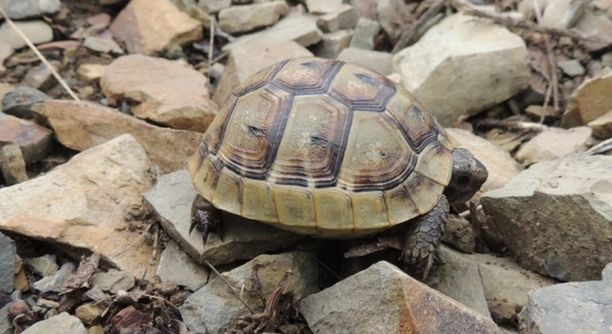
Russian tortoises are unique pets with fascinating behaviors. If you notice your tortoise rubbing its face against its legs, it can be a sign of various things related to its health and natural instincts.
This behavior is often a sign of the tortoise shedding its skin or trying to remove irritants. It can also be a response to stress, discomfort, or a sign of environmental factors affecting its well-being.
Understanding this behavior can help you ensure your tortoise stays healthy. Keep reading to learn more about what might be behind this action and how to support your pet’s needs.
Why Your Russian Tortoise Rubs Its Face Against Its Legs
Russian tortoises are naturally curious creatures, and they often engage in various behaviors to maintain their well-being. When a tortoise rubs its face against its legs, it may be trying to remove old skin or irritants. This action is most common during shedding, a regular process in which the tortoise’s skin becomes dry and flakes off. Shedding can be uncomfortable, so rubbing the face against its legs helps the tortoise alleviate the irritation. However, this behavior may also occur if your tortoise is stressed or uncomfortable due to its environment. If the tank’s humidity or temperature levels are off, your pet may try to rub away the discomfort.
Sometimes, stress can trigger unusual behavior in tortoises. If the tank is too small, there isn’t enough hiding space, or the lighting is poor, your tortoise might begin to rub its face. It’s a sign that something isn’t right in its habitat, and the animal is trying to find relief.
Ensuring a proper setup with the right temperature, humidity, and enough space can help ease your tortoise’s discomfort. In some cases, medical conditions, such as a skin infection or mites, can cause excessive rubbing. If this behavior persists or seems unusual, a vet’s consultation is a good idea.
How Shedding Affects Your Tortoise
Shedding is a natural and necessary process for tortoises. As they grow, their outer skin layers become too tight and need to be replaced. When a tortoise rubs its face against its legs, it may be attempting to help the shedding process along.
The best way to support your tortoise during this time is by maintaining the correct humidity and temperature in its habitat. This ensures the skin comes off smoothly and without causing discomfort. A slight increase in humidity can help your tortoise shed its skin more easily. If the environment is too dry, the skin may stick, leading to irritation and more frequent rubbing.
Environmental Stress and Discomfort
If your tortoise feels stressed, it may rub its face against its legs more often. A small, cramped habitat can increase stress levels. Insufficient space or hiding spots can lead to anxiety. This behavior is its way of dealing with the stress.
Make sure your tortoise has enough space to move around and hide when it feels overwhelmed. Proper tank size and the right environment are essential. Providing areas for shelter and resting can reduce stress, as tortoises need privacy for relaxation. Keep the lighting consistent and appropriate for its species to prevent further discomfort.
Sometimes, environmental changes like loud noises or other pets can cause distress. Pay attention to what might be affecting your tortoise’s surroundings. If you notice any changes in behavior, consider modifying its environment. A stress-free habitat will help your tortoise feel more comfortable and at ease.
Skin Irritation and Mites
Skin irritation can result in rubbing behavior. If your tortoise develops itchy spots or redness, it may start rubbing its face against its legs. Mites are another common problem that can cause this behavior.
Mites can be very irritating for tortoises. If you notice small black or red spots on its skin, check for other signs like excessive scratching or rubbing. These parasites are often visible around the head and neck, where tortoises can’t reach to remove them. Immediate treatment is necessary to stop the irritation.
To prevent mites, ensure your tortoise’s living area is clean. Regularly sanitize the tank and any items inside, such as rocks and food bowls. If mites are suspected, consult a vet for an appropriate treatment plan.
Unhealthy Diet
An improper diet may also lead to rubbing behavior. If your tortoise’s nutrition is lacking, it may experience skin issues or discomfort. A diet missing essential vitamins and minerals can make the skin dry and prone to irritation.
Ensure your tortoise is getting the proper nutrition, such as leafy greens and occasional fruits. Offering variety and avoiding processed foods will keep the skin healthy. If its diet lacks calcium or other essential nutrients, it could cause issues with the skin or overall health.
Dehydration
Dehydration is another factor that can cause rubbing behavior. Tortoises need access to fresh water daily. Without enough hydration, the skin becomes dry and tight, making it more difficult for your tortoise to shed.
Make sure your tortoise has a clean water source at all times. If needed, soak it in lukewarm water for a short time to help with hydration. Proper hydration supports shedding and helps maintain healthy skin, reducing discomfort.
Behavioral Habits
In some cases, rubbing is simply a habit that tortoises develop. If they feel bored or restless, they might engage in repetitive behaviors like rubbing their face against their legs. These actions help them release excess energy or deal with anxiety.
To address this, give your tortoise more stimulation. Introduce safe objects for it to explore, such as rocks or logs. Enriching their environment with new challenges or hiding spots will reduce the chances of repetitive behaviors.
FAQ
Why does my tortoise rub its face against its legs?
Your tortoise may rub its face against its legs due to skin irritation, shedding, or environmental stress. It is trying to relieve discomfort caused by dryness or irritation on its skin. In some cases, it could be reacting to stress from its habitat, such as cramped space, poor temperature, or humidity levels.
How can I tell if my tortoise is stressed?
Stress in tortoises can manifest as changes in behavior, like rubbing, excessive hiding, or reduced eating. If your tortoise spends more time in one spot, hides often, or acts lethargic, it may be stressed. Check for changes in its habitat, such as temperature fluctuations or overcrowding.
Is rubbing a sign of skin infection?
Rubbing can sometimes indicate a skin infection, especially if there are visible sores, redness, or swelling. If you notice these signs, it’s best to consult a vet. Skin infections require prompt attention to prevent further irritation and discomfort.
What can I do to help my tortoise during shedding?
To assist with shedding, ensure your tortoise’s habitat is at the right humidity and temperature levels. Soaking it in warm water can help loosen old skin. Providing a larger area to roam and natural substrates like soil or sand can also help during the shedding process.
Can dehydration cause rubbing?
Yes, dehydration can lead to dry, tight skin, causing your tortoise to rub against its legs to ease discomfort. Ensure your tortoise has access to fresh water at all times. Soaking it in lukewarm water can also help hydrate and alleviate skin tightness.
What should I feed my tortoise for healthy skin?
A balanced diet is key to maintaining healthy skin. Provide leafy greens, such as collard greens or dandelion leaves, and occasional fruits like strawberries or melons. Make sure to offer calcium-rich foods like kale and turnip greens. A proper diet supports shedding and overall health.
How often should I clean my tortoise’s habitat?
Regular cleaning is essential to prevent mites and bacteria that can irritate your tortoise’s skin. Clean its tank and substrate weekly, removing waste and food scraps. Disinfect the tank monthly and sanitize any objects inside, like rocks, hides, and water dishes, to ensure a clean environment.
Could my tortoise have mites?
If your tortoise’s skin looks irritated and it’s rubbing excessively, mites could be the cause. Mites are tiny, red or black pests that can cause skin irritation. Look for signs like scabs, red spots, or abnormal behavior. If mites are suspected, consult a vet for treatment.
What are the signs of a healthy tortoise?
A healthy tortoise will be active, alert, and eating regularly. Its skin should be smooth and free of sores or excessive dryness. A well-maintained habitat with proper temperature and humidity will also contribute to its health. Regular check-ups with a vet can ensure your tortoise is thriving.
How can I improve my tortoise’s environment?
Make sure your tortoise has enough space to roam and hide. The tank should have both warm and cool areas with proper lighting. Use natural materials like sand, soil, or grass to mimic its natural habitat. This will help reduce stress and support overall well-being.
Why is my tortoise not eating?
If your tortoise is not eating, it could be stressed, sick, or uncomfortable. Check its habitat for issues with temperature, humidity, or lighting. If environmental factors seem fine, it might be a sign of health issues. A visit to the vet is recommended if the problem persists.
Should I be concerned if my tortoise rubs only one side of its face?
Rubbing only one side of its face could indicate localized irritation or injury. It might be rubbing to relieve discomfort from a scratch, skin infection, or irritant. Examine the area for signs of redness, swelling, or other abnormalities. If you notice anything unusual, consult a vet.
How long does it take for a tortoise to shed?
Shedding time can vary depending on the tortoise’s age, health, and environment. Young tortoises shed more frequently, while older ones may shed less often. The process typically lasts a few weeks, with the tortoise rubbing or scraping its skin to help remove the old layers.
Can I use oils or lotions on my tortoise’s skin?
It’s generally not recommended to use oils or lotions on your tortoise’s skin unless advised by a vet. These products can interfere with the natural shedding process or clog pores. It’s better to maintain proper humidity and offer a balanced diet for healthy skin.
What temperature should my tortoise’s habitat be?
A Russian tortoise’s habitat should maintain a temperature range between 75-85°F (24-29°C). Provide a warm basking area of 90°F (32°C) and a cooler area around 70°F (21°C). Proper temperature helps your tortoise regulate its body temperature and supports its health and shedding.
Is it normal for my tortoise to rub against its legs after eating?
It can be normal for a tortoise to rub against its legs after eating, especially if it’s shedding. The food particles might irritate its skin, or it could be a sign of discomfort. However, if it seems excessive or accompanied by other unusual behaviors, it’s worth checking for potential issues.
Final Thoughts
Understanding why your Russian tortoise rubs its face against its legs can help you address any potential issues and improve its overall health. Whether it’s due to irritation from shedding, environmental factors, or skin infection, recognizing the cause is key. Keeping a close eye on your tortoise’s behavior and environment will allow you to notice any changes that could be affecting its well-being. Ensuring that your tortoise has a comfortable, safe space, along with proper nutrition, hydration, and temperature, can go a long way in preventing unnecessary rubbing or discomfort.
Pay attention to your tortoise’s diet, as it plays a crucial role in skin health. A balanced diet with plenty of leafy greens and fruits is essential for its health. Calcium and other vital nutrients help keep your tortoise’s skin strong and assist with shedding. Additionally, make sure your tortoise is hydrated by providing fresh water and, when necessary, soaking it. If you notice that your tortoise is rubbing excessively or seems uncomfortable, try adjusting the temperature or humidity in its habitat. This can help prevent any skin issues or irritations that might cause rubbing.
If the rubbing persists or you notice any signs of injury, infection, or extreme discomfort, consulting a vet is always a good option. A professional can help rule out any serious health concerns and provide guidance on how to best care for your tortoise. It’s important to be patient, as it may take some time to address the root cause and ensure that your tortoise feels comfortable again. Taking these steps will help your Russian tortoise live a healthier and more content life.

Hello,
If you enjoy the content that we create, please consider saying a "Thank You!" by leaving a tip.
Every little bit helps us continue crafting quality advice that supports the health, happiness, and well-being of pets around the world, for pets of all shapes, sizes, and species.
We really appreciate the kindness and support that you show us!