
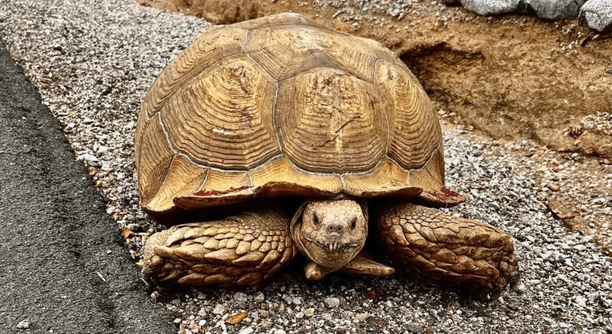
Sulcata tortoises, like all reptiles, require regular care to maintain their health. One important aspect of their care is keeping their beaks properly trimmed. Without attention, overgrown beaks can cause feeding and health issues for your tortoise.
To keep your Sulcata tortoise’s beak trimmed, regular inspection and careful trimming are necessary. Overgrowth can occur from improper diet or lack of natural wear, so routine care is essential for preventing discomfort or feeding difficulties.
Regular maintenance of your tortoise’s beak is easy to manage with the right tools and methods. We’ll cover simple, effective ways to keep it trimmed and your tortoise happy.
Why Beak Maintenance is Important for Sulcata Tortoises
Beak trimming is a crucial part of keeping your Sulcata tortoise healthy. Overgrown beaks can lead to issues such as difficulty eating, which can result in poor nutrition. This can also affect the overall health and growth of your tortoise. A healthy beak is essential for biting, chewing, and even for self-defense. In the wild, a tortoise’s beak naturally wears down from eating tough plants and grinding against rocks or rough surfaces. In captivity, however, their environment may not provide enough natural abrasion, making trimming necessary. If left unchecked, an overgrown beak can cause serious discomfort, and in extreme cases, it could prevent the tortoise from eating altogether. Keeping their beak trimmed ensures they continue to thrive in a healthy and comfortable environment.
Trimming the beak can be easy with the right tools and approach. Regular care and proper diet are key to preventing overgrowth.
If you notice that your tortoise has trouble eating, it may be due to an overgrown beak. Beak trimming is part of a simple maintenance routine that should be done every few months, depending on your tortoise’s lifestyle and diet.
Methods for Trimming Your Sulcata Tortoise’s Beak
There are several methods to trim your Sulcata tortoise’s beak. Some people choose to take their tortoise to a veterinarian, while others prefer doing it themselves. If you decide to trim the beak at home, it’s important to use the right tools, such as a nail clipper or a specialized file. Carefully inspect the beak and ensure it’s not cracked or infected before trimming. It’s best to avoid cutting too much at once, as the beak is sensitive, and you could cause injury. Start by trimming small amounts to prevent any potential mistakes. If you’re unsure or uncomfortable with trimming the beak, it’s always a good idea to ask a vet for assistance. In addition, you can try giving your tortoise natural items, like rocks or hard vegetables, to help wear down the beak over time. Consistent maintenance will keep their beak in the right shape and prevent future issues.
Trimming your tortoise’s beak may sound challenging, but with patience, it becomes a simple task.
Using the right technique and approach makes the process easier. Be sure to keep the tools sanitized and always trim carefully to avoid overcutting. It’s also important to check for signs of infection or cracks during each inspection.
Natural Ways to Help Wear Down the Beak
Allowing your Sulcata tortoise to chew on natural surfaces can help keep their beak healthy. Rocks, rough textures, and hard plants mimic the conditions they would encounter in the wild. These surfaces provide the friction necessary to naturally wear down the beak.
Incorporating rough materials into your tortoise’s environment is an easy way to assist with beak maintenance. Large, flat rocks are perfect for them to walk on or rub against. Adding a variety of coarse plants and weeds for them to munch on will also help. The chewing motion they make when eating tougher plants is ideal for gradually wearing down the beak, so it stays at the proper length. Make sure the materials are safe and non-toxic, as some rocks or plants could harm your tortoise. Regularly inspect the beak to ensure the natural wear process is working and the beak doesn’t get too long.
A well-rounded diet with high-fiber plants will also support natural beak care. Tough foods like cactus pads, dandelions, and hay are excellent choices.
Using a File to Smooth Overgrowth
Using a file is a non-invasive method to trim a Sulcata tortoise’s beak. It’s a safer option compared to cutting, as it allows for gradual shaping without the risk of injuring your tortoise. You can use a nail file or a specialized reptile file for this task.
Gently rubbing the file over the beak can help smooth any rough or overgrown edges. It’s important to be gentle to avoid causing stress or injury. File only small portions of the beak at a time, and always check for sensitivity during the process. You can file the beak in small, circular motions to avoid creating sharp edges. This method can be done as part of routine care, but it’s vital to be patient and cautious. A steady hand and calm tortoise will make the experience much smoother for both of you.
Be sure to use a clean file to prevent any potential infection or contamination.
When to Visit a Veterinarian
If your tortoise’s beak becomes too overgrown or shows signs of infection, it’s time to visit a veterinarian. They have the experience and tools to trim the beak safely and check for underlying health issues. Regular vet check-ups can prevent serious problems.
A vet visit is especially important if you notice any swelling, cracks, or unusual growth patterns in the beak. They will ensure there are no infections or injuries and give you advice on how to maintain a healthy beak. If trimming at home doesn’t seem like the right option, your vet can assist with safe beak care.
Providing the Right Diet for Healthy Beak Growth
A proper diet is essential for maintaining a healthy beak. Offering your tortoise fibrous, high-calcium foods will help them naturally wear down their beak. Hay, grass, and safe, tough plants should make up the majority of their diet.
Including fibrous plants like dandelions, clover, and mulberry leaves can ensure your tortoise’s beak gets the nutrients needed for growth and wear. These plants mimic the natural diet they’d encounter in the wild, providing both nutrition and abrasion to prevent overgrowth. Additionally, calcium-rich foods, such as dark leafy greens, contribute to healthy beak development. A well-balanced diet helps your tortoise stay healthy, supporting overall beak maintenance.
Tools You Can Use for Beak Trimming
Having the right tools is key when trimming your tortoise’s beak at home. A small, sharp pair of pet nail clippers or a reptile-specific file works best. These tools ensure accuracy while minimizing risk.
When using clippers, be sure to only trim the very tip of the beak, just enough to keep it from becoming too long. The file can smooth any rough spots, and always make sure to sanitize your tools before and after use to avoid infections.
FAQ
How do I know if my tortoise’s beak is overgrown?
You’ll notice overgrowth when the beak appears long, sharp, or uneven. If your tortoise is having difficulty eating or chewing, the beak could be too long. It’s important to regularly check the beak to ensure it isn’t obstructing their ability to feed. A normal, healthy beak should have a slight curve and not be excessively long. If your tortoise’s beak looks out of proportion to their face or is causing discomfort, it’s time to consider trimming.
What happens if I don’t trim my tortoise’s beak?
If the beak is left untrimmed, it can cause your tortoise to have difficulty eating, which can lead to malnutrition. In severe cases, overgrown beaks can even make it impossible for them to bite or chew properly. This can result in weight loss, dehydration, and other serious health problems. Additionally, an overgrown beak can cause discomfort, affecting your tortoise’s quality of life. Regular trimming and maintenance will help avoid these issues.
Can I trim my tortoise’s beak myself?
Yes, you can trim your tortoise’s beak at home if you are comfortable and know how to do it safely. Use the right tools like a small pair of pet nail clippers or a specialized reptile file. Be sure to only trim a small amount at a time and avoid cutting too much, as the beak is sensitive. If you’re unsure or nervous, consulting a veterinarian for guidance or having them trim the beak is always a good option.
How often should I trim my tortoise’s beak?
The frequency of beak trimming can vary depending on your tortoise’s diet and lifestyle. On average, you may need to trim their beak every few months. If they are not getting enough natural wear from food or rough surfaces, more frequent trimming may be necessary. Regularly check the beak for signs of overgrowth, and trim only when needed. It’s also important to ensure your tortoise has a balanced diet and access to rough surfaces that promote natural beak wear.
What are the signs that my tortoise’s beak needs trimming?
Signs that your tortoise’s beak needs trimming include difficulty eating, food falling out of their mouth, or noticeable unevenness in the beak. If you observe that the beak has become too long or sharp, it’s an indication that trimming is necessary. Be on the lookout for any cracks, swelling, or discoloration, as these could signal an underlying issue that requires professional attention.
Is it painful for a tortoise to have its beak trimmed?
Trimming a tortoise’s beak is generally not painful when done correctly. However, the process can be stressful for the tortoise if not handled carefully. Always use the proper tools and approach the trimming slowly, trimming only small sections to avoid injury. If you’re concerned or your tortoise seems agitated, you can consult a vet for advice or to have the beak trimmed professionally.
What should I do if my tortoise’s beak is cracked or infected?
If your tortoise’s beak is cracked, swollen, or showing signs of infection, take it to a veterinarian immediately. Infections can spread and worsen if not treated, so professional care is crucial. A veterinarian can clean the area, provide antibiotics if necessary, and advise on the best course of action. They may also check for any underlying health issues that could be contributing to the condition of the beak.
Can I use a regular nail clipper to trim my tortoise’s beak?
A regular nail clipper can be used to trim your tortoise’s beak, but it’s important to use a sharp, small pair of clippers. The beak is much harder than nails, so dull clippers can cause injury. It’s also essential to trim carefully and in small increments to avoid cutting too much. For more control, you might want to consider specialized reptile tools designed for beak care.
Should I provide my tortoise with special foods to help wear down its beak?
Yes, providing your tortoise with fibrous, tough foods can help naturally wear down their beak. Foods like grass, hay, and certain tough vegetables, such as cactus pads, are ideal. The natural chewing process helps to keep the beak from becoming overgrown. Including items with a rough texture, such as dried leaves and weeds, can also assist in maintaining a healthy beak. Be sure the diet is varied and rich in nutrients for overall health.
How can I prevent my tortoise’s beak from overgrowing in the future?
The best way to prevent beak overgrowth is by ensuring your tortoise has a diet rich in fibrous plants and rough-textured foods. Offering natural surfaces, such as rocks or rough areas to walk on, can help them wear down their beak. Regular monitoring and occasional trimming will also help maintain the proper beak length. Providing variety in their diet and environment will reduce the need for frequent trimming, making maintenance easier.
What should I do if I accidentally trim too much of my tortoise’s beak?
If you accidentally trim too much, it’s important to stop immediately and check for any signs of bleeding or injury. If bleeding occurs, you can apply gentle pressure with a clean cloth until it stops. It’s best to seek immediate advice from a veterinarian if you’ve trimmed too much or caused injury. They can treat any potential damage and guide you on how to proceed. Avoid trimming further until you’ve consulted a professional.
How do I make my tortoise more comfortable during a beak trim?
To make your tortoise comfortable, it’s best to approach the trimming calmly and gently. Make sure the area is quiet and free of distractions. If your tortoise is particularly stressed, you can wrap it lightly in a towel to help it feel more secure. Take your time and avoid rushing the process. Keep the trimming sessions short and offer your tortoise a treat afterward to help reinforce positive associations with the procedure.
Final Thoughts
Caring for your Sulcata tortoise’s beak is an important part of their overall health. A properly maintained beak allows your tortoise to eat comfortably, helping them stay strong and healthy. If you notice any signs of overgrowth, like difficulty eating or sharp edges, it’s crucial to take action. Keeping a routine of regular checks can help prevent issues before they become serious. Whether you decide to trim the beak yourself or seek help from a veterinarian, the goal is to keep your tortoise comfortable and healthy.
Remember that a balanced diet plays a significant role in preventing beak overgrowth. Providing your tortoise with fibrous foods like hay, grass, and certain tough plants will naturally wear down the beak over time. Offering rough surfaces like rocks can also help, mimicking what they would encounter in the wild. These simple additions to their environment will support the natural process of beak care, reducing the need for frequent trimming. Keeping your tortoise’s environment enriched with safe materials will allow them to maintain a healthy beak and avoid discomfort.
If you’re unsure about trimming the beak on your own, there’s no harm in consulting a veterinarian. They can help with proper trimming techniques and offer advice specific to your tortoise’s needs. It’s always a good idea to seek professional advice if you’re uncertain or uncomfortable with the process. Regular vet check-ups also ensure that any underlying health issues are detected early. With a bit of attention and care, maintaining your tortoise’s beak becomes a simple and important part of their well-being.

Hello,
If you enjoy the content that we create, please consider saying a "Thank You!" by leaving a tip.
Every little bit helps us continue crafting quality advice that supports the health, happiness, and well-being of pets around the world, for pets of all shapes, sizes, and species.
We really appreciate the kindness and support that you show us!