
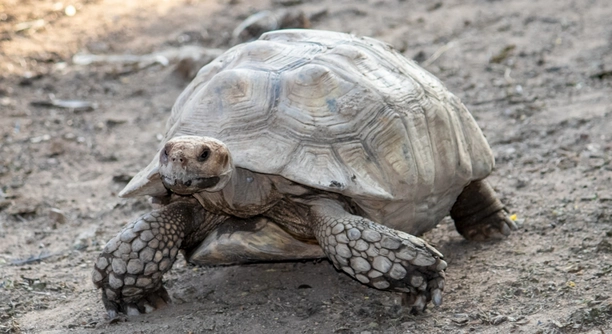
Sometimes, even the most devoted pet owners face challenges when their sulcata tortoise refuses to eat its favorite food. Understanding the reasons behind this behavior can help you support your pet’s health and happiness.
Several factors can cause your sulcata tortoise to avoid its favorite food, including changes in its environment, stress, or dietary imbalances. It’s important to identify the root cause to address the issue effectively and keep your tortoise healthy.
Taking small steps to adjust your tortoise’s living conditions and food offerings can make a big difference. Read on to discover how to help your sulcata return to its usual appetite and well-being.
Changes in Temperature and Habitat
Sulcata tortoises are highly sensitive to temperature and environmental changes. Even small shifts in their habitat can lead to a decrease in appetite. If the temperature is too low, your tortoise may feel sluggish or even ill, making it less inclined to eat. It’s essential to maintain a consistent temperature in their enclosure, mimicking the warmth of their natural habitat. The ideal range for a sulcata tortoise is between 85°F and 95°F during the day, with a cooler spot at night.
Your tortoise may stop eating if the humidity levels in their enclosure are not correct either. Too much humidity can make them feel uncomfortable and stressed. Ensure proper ventilation to balance the humidity.
Inadequate heating or humidity can also lead to health issues like respiratory infections. If you notice that your tortoise has stopped eating and you suspect the temperature or humidity might be the issue, it’s worth investing in a good thermometer and humidity gauge to monitor these factors. Maintaining a steady and suitable environment is key to encouraging your tortoise to eat again.
Stress and Changes in Routine
Stress can significantly affect your tortoise’s appetite. Changes in routine, like moving its enclosure, introducing new pets, or even loud noises, can cause anxiety. Sulcata tortoises are creatures of habit, and when their surroundings become unpredictable, it can lead to a loss of interest in food.
Stress has many physical consequences, including a weakened immune system and digestive issues, both of which can reduce appetite. If your tortoise seems particularly agitated or withdrawn, it’s best to avoid any major changes for a while. Keeping its space quiet, calm, and routine-oriented will help reduce stress and encourage eating.
Diet Imbalance
A diet imbalance can make your sulcata tortoise avoid its favorite food. Tortoises require a mix of leafy greens, hay, and occasional fruits. If your tortoise is being offered the same foods regularly, it may lose interest. Overfeeding high-protein foods or fruits can also upset their digestion.
If your tortoise’s diet lacks variety, it might stop eating the same things it once enjoyed. Introducing new, safe foods will spark its interest and provide balanced nutrition. A well-rounded diet keeps your tortoise healthy and ensures it doesn’t become too picky.
If the food you’re offering doesn’t meet your tortoise’s nutritional needs, it may start to avoid it. Make sure to provide enough fiber and calcium-rich foods while limiting sugary fruits and protein-heavy options. Researching the best diet for sulcata tortoises can help you prevent this issue and ensure your pet thrives.
Health Issues
Health problems are often a reason why a sulcata tortoise stops eating. Conditions like parasites, infections, or internal blockages can cause discomfort and decrease appetite. It’s not always obvious when a tortoise is sick, so keep an eye out for other signs like lethargy, abnormal behavior, or changes in their shell.
If your tortoise stops eating, it’s crucial to check for any physical symptoms. A vet visit might be necessary to rule out common health issues. It’s always better to seek professional help early on to prevent the problem from worsening.
Even minor health issues, such as a mild respiratory infection or digestive upset, can cause your sulcata tortoise to avoid food. When in doubt, always consult a reptile vet to get a thorough diagnosis. Prompt treatment will help your tortoise return to its healthy, active self.
Overfeeding
Overfeeding can cause your sulcata tortoise to lose interest in food. Offering too much food at once, or feeding too often, might lead to a decrease in appetite. Tortoises, like other reptiles, thrive on a set feeding schedule.
It’s important to monitor portion sizes. Sulcatas are grazers, and they do best when given a moderate amount of food that they can consume over time. Keep their meals consistent and limit treats to maintain a balanced eating pattern.
Age-Related Changes
As sulcata tortoises age, their appetite can naturally decrease. Older tortoises tend to move slower and may not be as active, which can reduce their interest in food. Their metabolism may also slow down.
Providing a variety of textures and flavors in their diet can help. If your tortoise is older and eating less, consider offering softer foods or foods that are easier to chew. Adjusting their meals will help maintain their health during this phase of life.
FAQ
Why is my sulcata tortoise not eating its favorite food?
A sulcata tortoise may avoid its favorite food due to stress, environmental changes, illness, or an imbalance in its diet. If your tortoise’s habitat is too cold or humid, or if it feels stressed from loud noises or a new pet, it might lose its appetite. Always ensure the enclosure has proper temperature and humidity levels. Check for any signs of illness, such as lethargy or abnormal behavior, and consult a vet if necessary. A balanced diet with a mix of leafy greens, hay, and occasional fruits will keep your tortoise healthy and satisfied.
How can I tell if my tortoise is sick?
Signs of illness in a sulcata tortoise can include loss of appetite, lethargy, runny eyes or nose, abnormal behavior, or changes in their shell. If your tortoise isn’t eating or behaving differently, it’s important to monitor other physical symptoms. A visit to a vet can help identify and treat any underlying health issues.
Should I be concerned if my sulcata tortoise isn’t eating for a day or two?
If your tortoise skips a meal for one or two days, it may not be an immediate cause for concern. Tortoises, like many reptiles, can go without food for short periods. However, if this behavior persists or if your tortoise shows signs of illness, it’s important to check its health and environment.
How often should I feed my sulcata tortoise?
Sulcata tortoises typically need to be fed every day, but the amount of food depends on their size and age. Young tortoises may need more frequent meals, while adults should be fed daily in moderate portions. Offering food once a day allows your tortoise to graze throughout the day without overfeeding.
What is the best food for a sulcata tortoise?
A sulcata tortoise’s diet should be primarily composed of high-fiber, low-protein foods. Offer a variety of leafy greens, such as collard greens, dandelion greens, and mustard greens. Adding hay, like timothy hay, is essential for their digestive health. Occasional fruits, like melons or berries, can be given as treats but shouldn’t make up a large portion of their diet.
Can sulcata tortoises eat fruits every day?
No, fruits should be fed in moderation. While fruits are a great source of hydration and some nutrients, they are high in sugar, which can cause digestive issues or obesity if given too often. Limit fruits to once or twice a week, and focus on providing leafy greens and hay as the primary food sources.
Is it normal for my tortoise to eat less in the winter?
Yes, it’s common for sulcata tortoises to eat less during the colder months. In the wild, they may become less active when temperatures drop, which can affect their appetite. However, it’s important to maintain a consistent temperature in their enclosure to prevent them from becoming too sluggish. If your tortoise is eating significantly less or seems lethargic, consider checking its health and environment.
How can I encourage my sulcata tortoise to eat again?
If your tortoise is refusing food, start by checking the temperature and humidity in its enclosure to ensure it’s within the right range. Offer a variety of foods to spark its interest, including leafy greens, flowers, and different types of hay. If the issue persists, consult a vet to rule out any health problems.
What should I do if my tortoise refuses to eat its favorite food?
If your tortoise refuses to eat its favorite food, try offering it in different ways, such as chopped into smaller pieces or mixed with other greens. If the problem continues, examine your tortoise’s environment for potential stressors, such as temperature changes, overcrowding, or even changes in its daily routine. It’s also important to rule out any health issues with a vet.
Can I feed my tortoise any vegetables?
Yes, many vegetables are safe for your sulcata tortoise. Offer a variety of leafy greens and fibrous vegetables like kale, dandelion greens, and bok choy. Avoid starchy vegetables like potatoes and avoid offering iceberg lettuce, as it offers very little nutritional value. Always provide a balanced diet to ensure your tortoise is getting all the necessary nutrients.
Why isn’t my sulcata tortoise eating much hay?
Sulcata tortoises need hay in their diet to support digestion. If your tortoise is avoiding hay, it may be due to a preference for fresh greens or the hay may not be of good quality. Try offering a different type of hay, such as timothy hay, and make sure it’s fresh. If the issue persists, consider consulting a vet.
Final Thoughts
If your sulcata tortoise is avoiding its favorite food, it can be a sign of various factors at play. While it’s natural for tortoises to go through periods of less appetite, it’s important to keep an eye on their environment, diet, and behavior. The most common reasons for food refusal include stress, temperature issues, illness, and diet imbalance. By identifying these issues early, you can help your tortoise get back to its normal eating habits. It’s always best to monitor your pet closely and adjust its care accordingly.
A consistent feeding schedule and a balanced diet are essential for maintaining your tortoise’s health. Sulcatas thrive on a variety of leafy greens and hay, so offering them different types of foods will keep their diet interesting and nutritious. Remember to avoid overfeeding fruits and high-protein foods, as this can lead to digestive problems and a reduced appetite. Offering food that matches their natural grazing habits will help your tortoise stay healthy and satisfied. If you notice any signs of stress or illness, make sure to address them quickly by checking the habitat and consulting a vet.
Above all, patience is key when dealing with a sulcata tortoise’s eating habits. Tortoises, like many animals, can go through phases where they eat less or more depending on their environment, age, or health. By keeping their space comfortable, providing fresh food, and staying alert to any health issues, you can help your sulcata enjoy its meals again. If food refusal continues, don’t hesitate to seek professional advice. A healthy tortoise is an active tortoise, and with the right care, your pet will return to its eating routine in no time.

Hello,
If you enjoy the content that we create, please consider saying a "Thank You!" by leaving a tip.
Every little bit helps us continue crafting quality advice that supports the health, happiness, and well-being of pets around the world, for pets of all shapes, sizes, and species.
We really appreciate the kindness and support that you show us!