
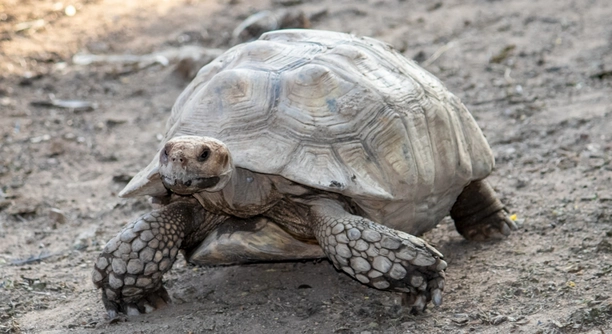
Sulcata tortoises are fascinating creatures, but sometimes they can experience bloating, which is both uncomfortable and concerning. It’s important to address this issue quickly to keep your pet healthy and happy.
Bloating in Sulcata tortoises is usually caused by improper diet, dehydration, or stress. Addressing these factors with simple fixes can help alleviate the discomfort. Ensuring a balanced diet, proper hydration, and a stress-free environment can prevent future issues.
By understanding the causes of bloating and making these easy changes, you’ll improve your tortoise’s well-being. Let’s go through a few simple fixes that can help restore your Sulcata tortoise’s health.
Adjust Their Diet
A proper diet is key to preventing bloating in your Sulcata tortoise. Overfeeding, especially with foods high in protein or fat, can lead to digestive issues. These tortoises are herbivores, so they thrive on a variety of grasses, hay, and leafy greens. You should avoid feeding them fruits and vegetables high in water content, like watermelon or lettuce, as these can contribute to bloating and diarrhea.
If you notice bloating, the first step is to reduce their intake of high-fat foods. Focus on providing more fibrous greens and grasses that promote healthy digestion. Additionally, avoid feeding them too much in one sitting. Smaller, more frequent meals are easier to digest and less likely to cause bloating.
Introducing a high-fiber diet can help restore balance and keep their digestive system functioning properly. If your tortoise is still bloated, consider reducing the food portions for a few days to allow its digestive system to reset. Always consult with a vet if the bloating persists.
Hydration Matters
Proper hydration plays an important role in your tortoise’s digestive health. Ensure they have access to fresh, clean water at all times.
Water helps flush out toxins and aids digestion. Dehydration is often overlooked but can contribute to bloating, as it can slow down your tortoise’s digestive system. Offering a shallow water dish allows your Sulcata tortoise to drink as needed and keep their system moving.
Manage Stress Levels
Stress can be a significant factor in bloating. If your tortoise feels threatened or unsettled, it can affect its digestive system. To reduce stress, create a calm, secure environment. Avoid loud noises and sudden movements around your tortoise.
Ensure they have a quiet, undisturbed space to retreat to when they feel the need. A well-designed enclosure with proper hiding spots can help alleviate anxiety. Keeping a consistent routine can also reduce stress, such as maintaining regular feeding times and ensuring they get ample time to roam in a safe area.
Overcrowding or keeping your tortoise with other aggressive animals can cause stress and worsen bloating. If you observe unusual behavior or stress signs, consider changing their environment or even consulting a vet for advice on stress management. A balanced and low-stress lifestyle will help them thrive.
Check for Possible Impaction
Impaction is a common issue that can lead to bloating. It occurs when your tortoise eats something it cannot digest, like gravel or indigestible plant matter. You’ll notice your tortoise acting lethargic, losing appetite, or having difficulty moving.
If you suspect impaction, you’ll need to address it quickly. The first step is to examine the diet and environment to ensure your tortoise isn’t ingesting anything harmful. If they are already impacted, your vet may recommend treatments like hydration or gentle massages to encourage natural bowel movement. Never attempt to treat impaction yourself without veterinary guidance.
Impaction can lead to serious health issues if not treated properly, so it’s essential to act fast. If left unchecked, it may result in chronic digestive problems or even more severe health concerns. Regularly monitoring your tortoise’s health and ensuring a safe environment can prevent impaction from becoming a recurring issue.
Provide Proper Lighting
Lighting is essential for your tortoise’s digestion and overall well-being. Without proper UVB light, they may struggle to absorb calcium, which can cause digestive issues and bloating.
Place a UVB light above your tortoise’s habitat to mimic natural sunlight. This helps their metabolism and keeps them active, preventing digestive slowdowns. Ensure the light is replaced regularly, as UVB bulbs lose their effectiveness over time.
Ensure Proper Temperature
Temperature affects your tortoise’s digestion. If the enclosure is too cold, your tortoise may not be able to digest food properly, which can lead to bloating.
Maintain a temperature gradient within the habitat, with a warm basking spot and cooler areas for your tortoise to regulate its body temperature. Keep the warm area around 90°F and cooler areas closer to 75°F. This setup will ensure your tortoise’s digestive system works efficiently.
FAQ
What are the signs of a bloated Sulcata tortoise?
A bloated Sulcata tortoise may show signs like a swollen abdomen, lethargy, lack of appetite, or unusual behavior. If they are unable to move around normally, appear restless, or have difficulty defecating, bloating could be the cause. It’s important to keep an eye on their usual behavior to catch early symptoms.
How do I fix a bloated Sulcata tortoise?
To address bloating, ensure your tortoise has a proper diet, plenty of water, and a stress-free environment. Reduce high-fat foods and focus on high-fiber options like grasses and leafy greens. Make sure they have access to fresh water at all times to aid digestion.
Can too much food cause bloating in a tortoise?
Yes, overfeeding can lead to bloating in Sulcata tortoises. Feeding them too much at once, especially with high-protein or fatty foods, can overwhelm their digestive system. Instead, feed them smaller portions spread throughout the day to avoid overloading their stomach.
Is it okay to give my tortoise fruits and vegetables?
Fruits and vegetables should be offered in moderation. While they can provide valuable nutrients, some high-water fruits, like watermelon or lettuce, may cause bloating. Stick to leafy greens and grasses as the primary food source, using fruits as an occasional treat rather than a regular part of their diet.
How often should I water my tortoise?
Your Sulcata tortoise should have access to fresh water daily. Dehydration can cause digestive problems and contribute to bloating. In addition to offering water in a shallow dish, you can also provide a soak in warm water a few times a week to keep them hydrated.
What temperature should my tortoise’s habitat be?
Sulcata tortoises need a temperature gradient in their enclosure, with a warm basking area around 90°F and cooler spots around 75°F. Proper temperature is crucial for digestion. If the environment is too cold, they may not digest their food properly, leading to bloating and other health problems.
Can stress cause bloating in a Sulcata tortoise?
Yes, stress can affect your tortoise’s digestion and contribute to bloating. Stress can arise from loud noises, changes in their routine, or overcrowding in their habitat. Providing a quiet, secure environment with hiding spaces can help reduce stress and prevent digestive issues.
How long does it take for a bloated tortoise to feel better?
The time it takes for a bloated tortoise to recover depends on the cause. If the bloating is related to overfeeding or dehydration, they may improve within a few days of adjusting their diet and hydration levels. For more serious issues like impaction, recovery may take longer and may require veterinary treatment.
Should I be concerned if my tortoise doesn’t eat after bloating?
A tortoise that refuses food after bloating should be monitored closely. Lack of appetite can indicate ongoing digestive problems. If the loss of appetite continues for more than a few days, it’s important to consult with a vet to rule out any serious underlying conditions, such as impaction or infection.
Can I treat bloating at home or should I see a vet?
You can address mild bloating at home by adjusting the diet and providing plenty of hydration, as well as offering a stress-free environment. However, if bloating persists or is accompanied by other symptoms, it’s crucial to consult a vet. Conditions like impaction or internal infections require professional care.
Final Thoughts
Taking care of a Sulcata tortoise involves understanding their specific needs and making sure their environment supports their health. If your tortoise is bloated, the most important step is to determine what’s causing the issue. Diet, hydration, stress, and even environmental conditions can all play a role in digestive problems. By addressing these factors and making small adjustments to their daily care routine, you can help your tortoise feel better and prevent future issues. Regular monitoring and a balanced, appropriate diet are key to keeping your Sulcata tortoise healthy long-term.
A big part of managing bloating is making sure your tortoise has access to fresh water and proper lighting. Without UVB light, their digestion can suffer, so having the right setup in place is essential. Temperature also plays a big role; if their habitat is too cold, digestion slows down, which can lead to discomfort and bloating. Make sure your tortoise has a temperature gradient, allowing them to regulate their body temperature as needed. Providing a warm basking area and cooler spots helps maintain a proper digestive system.
Lastly, it’s important to be patient and observant. Bloating doesn’t always require an immediate vet visit, but if the issue persists or worsens, seeking professional help is a good idea. Keeping your Sulcata tortoise’s environment calm, ensuring they have a balanced diet, and offering proper hydration can go a long way in preventing digestive troubles. By keeping these factors in mind and maintaining a consistent care routine, your tortoise will be more likely to thrive and stay healthy.

Hello,
If you enjoy the content that we create, please consider saying a "Thank You!" by leaving a tip.
Every little bit helps us continue crafting quality advice that supports the health, happiness, and well-being of pets around the world, for pets of all shapes, sizes, and species.
We really appreciate the kindness and support that you show us!