
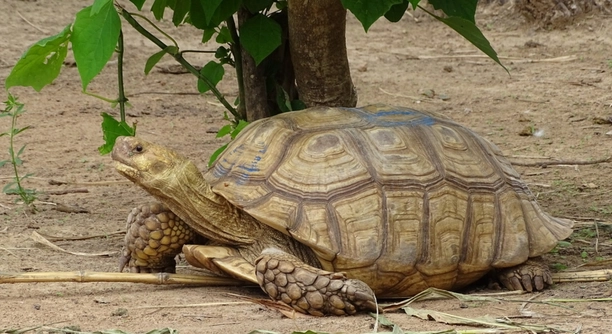
Shedding is a natural process for all tortoises, but it can sometimes become excessive in sulcata tortoises, causing concern for owners. Understanding how to manage this shedding will help your pet stay healthy and comfortable.
To reduce shedding problems in sulcata tortoises, ensure they have the right environment, diet, hydration, and proper humidity levels. Regular soaking, a well-balanced diet, and consistent care can prevent excessive or unhealthy shedding.
Managing these factors effectively can significantly improve your tortoise’s overall health and comfort. Keep reading to learn the best ways to minimize shedding issues and promote a happier, healthier tortoise.
1. Proper Hydration for Your Sulcata Tortoise
Keeping your sulcata tortoise well-hydrated is essential for reducing shedding problems. Dehydration can cause dry, flaky skin, making shedding more noticeable and uncomfortable. Regular soaking can help. It’s recommended to soak your tortoise in shallow, lukewarm water for about 20 to 30 minutes every few days. This gives your tortoise the chance to drink water and also aids in shedding. Make sure to offer fresh water daily in a shallow bowl that is easy for your tortoise to access. Hydration also plays a role in digestion and overall health, so don’t overlook this step.
In addition to soaking, monitor humidity levels in your tortoise’s environment. Too much or too little humidity can lead to skin issues. Aim for a moderate humidity level, ideally between 30-50%, to help your tortoise’s skin stay supple and assist in natural shedding processes.
Proper hydration is key to maintaining your tortoise’s overall health. Adequate water intake can prevent dehydration, support natural shedding, and help your tortoise feel comfortable in its habitat. These habits are crucial for the long-term well-being of your pet.
2. Diet for Healthy Skin and Shell
Your tortoise’s diet directly impacts its skin condition and shedding. A varied diet, rich in fiber, vitamins, and minerals, can help prevent shedding issues. Offer leafy greens, grasses, and high-fiber plants like dandelions, clover, and collard greens. Avoid too much fruit or protein, as it can lead to imbalances. A proper diet will keep your tortoise’s skin healthy and resilient, making shedding smoother.
Ensuring that your tortoise gets the right nutrients can help regulate its shedding process. Adding calcium supplements is especially important for shell health, while vitamin A can keep the skin in good condition. This balance will minimize skin problems caused by improper nutrition.
Feed your tortoise a balanced diet, and it will support healthy skin and reduce the stress that comes with shedding. A well-fed tortoise is more likely to shed regularly and comfortably. Consistency in diet can make a big difference in your pet’s shedding cycle.
3. Proper Temperature and Humidity
Maintaining the right temperature and humidity levels in your tortoise’s habitat can prevent issues with shedding. Too dry or too hot can cause shedding problems. Ensure that the temperature in the basking area is between 95°F and 100°F, while the cooler side should stay around 75°F.
Along with temperature control, humidity is important to consider. The ideal humidity range for a sulcata tortoise is between 30% and 50%. A humidity gauge can help you monitor this. Too little humidity can lead to dry skin, while excessive humidity can cause respiratory issues.
Proper humidity levels are crucial to preventing shedding issues. You can adjust humidity by misting the habitat or using a humidity-controlled enclosure. Keeping the environment balanced ensures your tortoise remains comfortable and sheds naturally. A healthy environment supports not only shedding but also overall tortoise health.
4. Regular Soaking
Soaking your sulcata tortoise is an effective way to address shedding problems. By soaking your tortoise in lukewarm water for 20-30 minutes, you help soften the skin and encourage natural shedding. Do this 2-3 times a week to keep the shedding process smooth.
Soaking also offers other health benefits. It provides hydration, helping your tortoise stay hydrated and reducing the chances of dry, flaky skin. This simple routine helps support both shedding and skin health. Soaking encourages your tortoise to drink water, which helps with digestion as well.
Regular soaking is essential for a comfortable and healthy shedding process. It ensures your tortoise has the moisture it needs to shed its skin without discomfort. Consistent soaking habits can lead to smoother, more natural shedding, improving the overall health and appearance of your sulcata tortoise.
5. Avoiding Overexposure to Sunlight
Sulcata tortoises need sunlight for vitamin D3 synthesis, but overexposure can lead to shedding problems. Too much direct sun can cause dehydration and dry out the skin. Limit exposure during the hottest part of the day.
In the wild, tortoises have natural shade and rest periods. You should replicate that in your pet’s enclosure. Provide access to both sunlight and shaded areas where your tortoise can regulate its temperature. This helps prevent overheating and maintains skin moisture.
6. Providing a Dust-Free Environment
Keeping your tortoise’s environment clean is vital for shedding. Dusty or dirty living spaces can cause skin irritation and lead to excessive shedding. Regular cleaning reduces exposure to harmful particles.
Ensure that bedding, such as hay or straw, is free of dust. Use non-toxic, safe materials, and change bedding regularly. A clean environment prevents respiratory issues and keeps the skin healthy. Dust-free conditions promote a smoother, more comfortable shedding process.
FAQ
Why is my sulcata tortoise shedding excessively?
Excessive shedding can be caused by several factors, such as dehydration, improper temperature, or a poor diet. If your tortoise isn’t soaking enough or if the humidity levels in the enclosure are incorrect, this can cause dry, flaky skin that leads to more shedding. Similarly, a diet lacking necessary nutrients, like calcium or vitamin A, may also contribute to shedding problems. Regular soaking and ensuring a balanced diet can help manage shedding.
How can I tell if my tortoise is shedding normally?
A healthy shedding process is gradual and doesn’t result in patches of raw or irritated skin. If the skin comes off in pieces without any bleeding or visible discomfort, it’s likely normal shedding. Tortoises often shed in pieces, and you may notice them rubbing against surfaces to help the skin come off. A healthy tortoise will continue to eat and behave normally throughout this process.
Can humidity help with shedding problems?
Yes, humidity plays an important role in your tortoise’s skin health. Sulcata tortoises thrive in an environment with a humidity level of 30% to 50%. If the humidity is too low, the skin may become dry, causing irritation and excessive shedding. Misting the habitat or adding a humidifier can help maintain the right moisture levels.
What temperature should I maintain in my tortoise’s enclosure?
Temperature is critical in maintaining a healthy tortoise. The basking area should be kept between 95°F and 100°F, while the cooler side of the enclosure should stay around 75°F. Proper temperature helps regulate digestion and hydration, which are essential for healthy shedding. If the temperature is too high or low, it can stress the tortoise and worsen shedding issues.
How often should I soak my sulcata tortoise?
Soaking your tortoise two to three times a week can help with shedding and hydration. This provides moisture to the skin and encourages natural shedding. Make sure the water is lukewarm and shallow enough for the tortoise to drink if it wants to. The soaking process also helps reduce the chances of dry skin, which leads to shedding problems.
What kind of diet is best for my sulcata tortoise?
A healthy diet for sulcata tortoises includes a variety of leafy greens, such as collard greens, dandelions, and clover. These foods are high in fiber and help promote healthy digestion and shedding. Limit fruit and protein, as they can upset the balance and lead to skin issues. It’s important to supplement the diet with calcium to support a healthy shell and skin.
Is it normal for sulcata tortoises to shed their shells?
It is normal for tortoises to shed small pieces of their shells, especially as they grow. However, if you notice large, abnormal pieces coming off, or if there’s visible damage or pain, it could indicate a problem. Keeping your tortoise hydrated, well-fed, and in a clean, healthy environment can help prevent abnormal shedding of the shell.
What should I do if my tortoise’s skin looks dry and cracked?
If your tortoise’s skin is dry and cracked, it’s likely a sign of dehydration or low humidity. To remedy this, increase soaking frequency, maintain proper humidity in the enclosure, and make sure your tortoise is drinking enough water. If the problem persists, consult a vet to rule out any underlying health issues.
Can stress affect shedding?
Yes, stress can impact your tortoise’s health, including shedding. Factors like changes in environment, handling too frequently, or other animals in the vicinity can cause stress. A stressed tortoise may shed excessively or experience irregular shedding patterns. Maintaining a stable, quiet environment will help reduce stress and improve your tortoise’s overall health.
How can I improve the humidity in my tortoise’s habitat?
To improve humidity, you can mist the enclosure regularly or invest in a humidifier designed for reptile habitats. Another option is to use a damp towel or sponge in the enclosure, which can help increase moisture. Be sure to monitor the humidity levels with a hygrometer to ensure it remains within the ideal range of 30% to 50%.
How do I prevent my tortoise from shedding too often?
Reducing shedding frequency involves addressing hydration, humidity, and temperature. Make sure the habitat stays at optimal conditions with the right temperature and humidity levels. Additionally, maintaining a healthy diet and soaking your tortoise regularly can reduce the chances of excessive shedding. Also, avoid overexposing your tortoise to sunlight, which can lead to dehydration and dry skin.
What are the signs of a shedding problem?
Signs of a shedding problem include large patches of skin coming off at once, red or irritated skin, or shedding that doesn’t appear normal. You may also notice that your tortoise is acting sluggish or is refusing to eat. If you observe any of these symptoms, it’s a good idea to consult with a vet to check for underlying issues.
Final Thoughts
Proper care of your sulcata tortoise can make a big difference when it comes to shedding. Keeping your tortoise hydrated and providing the right temperature and humidity are key factors in promoting healthy skin and reducing shedding issues. Soaking your tortoise regularly can help with hydration, while a proper diet will ensure that it has the nutrients needed to maintain good skin health. With these steps in place, your tortoise should be able to shed naturally without experiencing discomfort or excessive skin loss.
It’s also important to remember that shedding is a normal part of a tortoise’s growth. However, if you notice unusual shedding patterns, such as patches of irritated skin or excessive shedding that doesn’t seem to stop, it could be a sign of an underlying issue. Stress, improper environmental conditions, or poor diet can all contribute to abnormal shedding. Regularly monitoring your tortoise’s health and environment will help you identify any potential problems early.
In the end, taking a few simple steps to provide the right environment and care can keep your sulcata tortoise happy and healthy. By maintaining proper humidity, temperature, and hydration levels, and offering a balanced diet, you can help ensure that your tortoise experiences smooth and healthy shedding. The process will be much more manageable, and your tortoise will be more comfortable overall. The key is to stay consistent with these habits and check in on your tortoise regularly to make sure it stays in good health.

Hello,
If you enjoy the content that we create, please consider saying a "Thank You!" by leaving a tip.
Every little bit helps us continue crafting quality advice that supports the health, happiness, and well-being of pets around the world, for pets of all shapes, sizes, and species.
We really appreciate the kindness and support that you show us!