
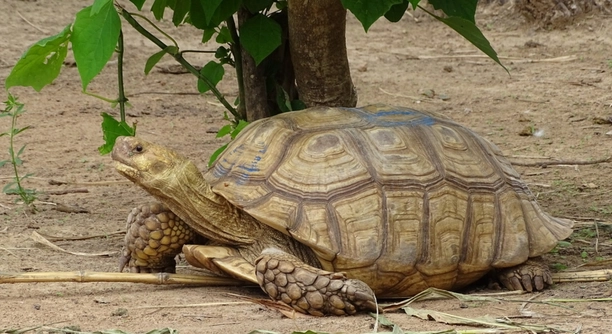
Sulcata tortoises are known for their unique behavior, and one common action many owners notice is head rubbing. Understanding the reasons behind this behavior can help ensure your tortoise stays healthy and happy in its environment.
Head rubbing in sulcata tortoises typically occurs due to natural instincts, irritation, or stress. It can be a way to mark territory, express discomfort, or seek relief from environmental factors such as lighting or substrate issues.
Identifying the causes behind this behavior can help you create a more comfortable habitat for your tortoise. Let’s explore the potential reasons and solutions for this puzzling head-rubbing behavior.
Natural Instincts and Behavior
Head rubbing is often just a part of your tortoise’s natural behavior. Sulcatas, like many other reptiles, use their heads to explore their surroundings. They may rub their heads against objects in their enclosure to understand their environment or as a form of territorial marking. This is especially true if they feel secure and comfortable in their space. It’s a way for them to leave their scent behind, signaling ownership over their area.
If your tortoise rubs its head frequently, it’s likely a normal part of its daily routine. This behavior is not typically harmful and is just one of the ways it interacts with its environment. In the wild, sulcatas often rub against rocks or logs. They may also use head rubbing to express dominance over other tortoises or as a form of communication.
It’s important to monitor the frequency of head rubbing. While occasional rubbing is normal, excessive head rubbing might indicate something else, like a health issue or environmental stress. If the behavior is constant or leads to injury, it’s worth looking into further. Ensuring your tortoise’s habitat is comfortable and stress-free can minimize any unnecessary behavior like this.
Environmental Factors and Irritation
Sometimes, head rubbing is a response to irritation or discomfort in the environment.
Improper lighting, temperature, or substrate can irritate a tortoise’s skin or eyes, prompting it to rub its head. If your sulcata is rubbing its head against objects in its enclosure, it could be trying to relieve discomfort caused by these factors. Make sure the habitat’s lighting is adequate, as inadequate UVB exposure can cause skin issues, making rubbing more common. The temperature should also be regulated, as sulcatas require warm, dry conditions.
If your tortoise has access to rough or abrasive materials, such as sharp rocks or gravel, the rubbing might be an attempt to soothe or relieve irritation. While it’s natural for sulcatas to rub against objects, providing a more comfortable, suitable habitat will help reduce unnecessary head rubbing. Ensure that all elements in the enclosure, from lighting to substrate, meet the proper standards for the species.
Stress and Anxiety
If your sulcata is rubbing its head excessively, it could be a sign of stress or anxiety. Tortoises are sensitive to their surroundings, and changes in their habitat or routine can cause discomfort. Stress can be triggered by loud noises, new animals, or even human interaction.
A stressed tortoise might try to find comfort through head rubbing, especially if it feels threatened or out of control. If it’s a constant behavior, check the enclosure for any potential stressors. For example, moving furniture or changing their environment too often can make them uneasy.
You might also notice other signs of stress, like pacing or hiding. These behaviors, combined with frequent head rubbing, indicate that your sulcata may not feel entirely at ease in its space. Reducing stress triggers, such as minimizing loud sounds or providing a quiet area, can help improve your tortoise’s comfort level. The goal is to make the habitat feel secure and calm, so your sulcata can thrive.
Health Issues
Head rubbing can sometimes be a sign of an underlying health problem, like an eye infection, respiratory issues, or a fungal infection.
If you notice that the head rubbing is paired with other symptoms like swelling, discharge, or a lack of appetite, it’s important to seek veterinary advice. Tortoises often try to relieve discomfort from these conditions by rubbing their heads. If it’s more than occasional rubbing, a vet can diagnose any potential health issues. This is especially crucial if the tortoise is acting more sluggish or showing signs of pain.
Common health problems that can cause rubbing include abscesses on the head or neck area, irritation from mites, or fungal growths. Without proper treatment, these conditions can worsen, leading to further discomfort. Early detection and care are key to preventing long-term health issues and ensuring your sulcata remains in good condition. If the head rubbing persists or you notice any other symptoms, a vet visit is recommended to rule out any medical concerns.
Shell Growth and Maturity
As sulcata tortoises grow, they often rub their heads against surfaces. This behavior can be tied to their natural process of growth and maturation. It’s common for younger tortoises to rub against objects to help with shedding their scutes or dealing with growth spurts.
As they get older, head rubbing can also be a sign of reaching maturity. The tortoise may be trying to stretch or move its neck to adapt to changes in its body. While this behavior is typically harmless, it’s important to monitor it for signs of over-rubbing or injury.
Territorial Behavior
Head rubbing is also linked to territorial behavior. Tortoises may rub their heads as a way of marking their space. This action could indicate they’re staking a claim over their area or trying to communicate dominance.
In an enclosure with multiple sulcatas, it’s important to watch for signs of aggressive behavior. If rubbing is frequent between two or more tortoises, it might be linked to territory disputes. Adjusting the enclosure to create enough space for each tortoise can help reduce tension and prevent conflict.
FAQ
Why is my sulcata tortoise rubbing its head so much?
Head rubbing in sulcata tortoises can happen for a number of reasons. It’s most commonly linked to natural behavior, such as marking territory or simply exploring its surroundings. However, excessive head rubbing could also be a sign of irritation from improper environmental conditions, stress, or even an underlying health issue. Regularly checking the habitat for comfort and keeping stress levels low can help reduce this behavior.
How do I know if the rubbing is caused by stress?
Stress in sulcata tortoises can result from changes in their environment, such as loud noises, sudden temperature shifts, or even the presence of other animals. If your tortoise is rubbing its head excessively, and you notice other signs of stress like hiding, pacing, or a lack of appetite, it could indicate that something is causing anxiety. Reducing disturbances, maintaining a consistent environment, and providing quiet spaces for your tortoise can help alleviate stress.
Could the head rubbing be caused by an injury or infection?
Yes, head rubbing can be a sign of an injury or infection. If the tortoise has been rubbing its head against rough surfaces or shows signs of swelling, discharge, or lethargy, it’s important to consult a veterinarian. Conditions such as abscesses, respiratory infections, or fungal growths can cause discomfort and lead to rubbing. Early diagnosis and treatment are essential to ensure your tortoise’s health.
Is head rubbing a sign of a health problem?
Head rubbing can sometimes indicate a health issue. Tortoises may rub their heads when experiencing irritation from mites, fungal infections, or other skin-related issues. It’s also possible that the rubbing is related to internal health problems, like digestive issues or respiratory infections. If rubbing is persistent and accompanied by other symptoms like discharge or changes in behavior, it’s a good idea to have your tortoise examined by a vet.
How can I tell if my tortoise is rubbing its head due to growth?
If your sulcata tortoise is young, head rubbing could be a sign of natural growth. Tortoises may rub against objects to help with shedding their scutes or adjusting to changes in their growing body. If the rubbing occurs mostly in younger tortoises and doesn’t lead to injury or irritation, it’s likely just a normal part of their development. Ensure that the environment is comfortable and that the tortoise has space to move around and grow.
Can I prevent my tortoise from rubbing its head?
Preventing head rubbing depends on identifying the underlying cause. If the rubbing is due to irritation or environmental factors, improving the enclosure’s conditions can help. Ensure that the lighting, temperature, and humidity are all properly maintained, and that no sharp or abrasive objects are present. If stress is the cause, creating a more calm and quiet environment can reduce the need for head rubbing. For health-related concerns, a vet checkup is recommended.
Should I be concerned if my tortoise rubs its head against the walls of the enclosure?
Head rubbing against the walls of the enclosure can indicate that your tortoise feels confined or stressed. If there is enough space and your tortoise still rubs its head against the walls, it could be seeking comfort or trying to mark its territory. Ensure that the enclosure is large enough, with plenty of hiding spots and areas for the tortoise to explore. Sometimes, adding more enrichment in the enclosure can reduce this behavior.
What can I do if my sulcata tortoise rubs its head and seems agitated?
If your tortoise is rubbing its head and seems agitated, it’s important to first rule out any environmental factors that may be causing discomfort. Check the temperature, lighting, and humidity in the enclosure. If everything seems fine but the agitation continues, consider whether other stressors, such as new pets, loud noises, or changes in routine, might be affecting your tortoise. If the behavior persists, a visit to the vet is recommended to rule out any health concerns.
Is it normal for a sulcata tortoise to rub its head against another tortoise?
Yes, head rubbing between sulcata tortoises can be a sign of dominance or territorial behavior. Tortoises may rub their heads to assert dominance over other tortoises in the same enclosure. If this rubbing becomes aggressive or frequent, it could be a sign of a territorial dispute. Ensuring that each tortoise has enough space in the enclosure is key to minimizing conflict and stress.
How can I make my tortoise’s environment more comfortable to stop excessive head rubbing?
To create a more comfortable environment for your tortoise, focus on maintaining proper temperatures (both hot and cool areas), providing adequate UVB lighting, and using the right substrate for burrowing and hiding. Avoid sharp or rough objects that could cause injury. A larger, less confined space will also help reduce stress, as will quiet, secure surroundings. Reducing environmental stressors and offering areas for your tortoise to retreat to can make a big difference in its behavior.
Final Thoughts
Head rubbing in sulcata tortoises can stem from various reasons, ranging from natural behaviors to environmental factors and health concerns. It is common for these tortoises to rub their heads as part of their daily routine, whether for exploring their surroundings or marking territory. In most cases, this behavior is harmless and part of their natural instincts. However, it’s important to be observant and understand what may be causing the rubbing, as excessive or abnormal head rubbing can sometimes signal discomfort or stress.
If your tortoise’s head rubbing seems excessive or is accompanied by signs like swelling, discharge, or changes in appetite, it’s a good idea to take a closer look at its health and environment. Factors like improper lighting, incorrect temperature, or abrasive materials in the enclosure could be contributing to the issue. Additionally, stress from new animals, changes in routine, or even loud noises can cause your sulcata tortoise to become agitated and rub its head more frequently. By ensuring a stable and comfortable living environment, many of the triggers for head rubbing can be eliminated.
Regular checks on your tortoise’s health and habitat are key to preventing potential problems. If you notice persistent head rubbing that doesn’t improve with environmental adjustments, a visit to the vet can help identify any underlying health issues. In many cases, addressing environmental stressors and providing a more secure and comfortable space will reduce the behavior. Ultimately, understanding why your sulcata tortoise is rubbing its head can help you provide a better living space and improve its overall well-being.

Hello,
If you enjoy the content that we create, please consider saying a "Thank You!" by leaving a tip.
Every little bit helps us continue crafting quality advice that supports the health, happiness, and well-being of pets around the world, for pets of all shapes, sizes, and species.
We really appreciate the kindness and support that you show us!