
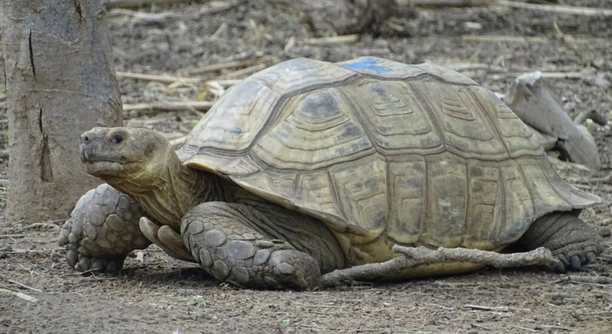
Sulcata tortoises are fascinating pets, but they require specific care to thrive, especially at night. Ensuring they have a proper nighttime setup can help maintain their health and comfort.
A proper nighttime setup for your sulcata tortoise is crucial for maintaining its health and well-being. It helps regulate its temperature, prevent stress, and provide the right environment for restful sleep, which directly impacts its overall longevity.
Creating a comfortable nighttime space for your tortoise can make a big difference. This setup will ensure they stay healthy and happy throughout the night.
1. Maintaining Proper Temperature
Sulcata tortoises are reptiles, meaning they depend on external heat sources to regulate their body temperature. At night, the temperature drops, and without the right setup, your tortoise can become too cold, leading to health issues like slowed digestion and a weakened immune system. A proper nighttime environment ensures that the temperature stays within an optimal range, which is usually between 70-80°F. This can be achieved using heat lamps, ceramic heaters, or other safe heat sources.
Keeping the nighttime temperature stable also mimics their natural environment. In the wild, they would experience a temperature drop, but it wouldn’t be drastic. Providing a consistent warmth at night helps your sulcata feel secure and comfortable.
A warm environment ensures that your tortoise can maintain its metabolism and digestive processes, which are essential for their overall health. Without it, their growth can be stunted, and they may become lethargic. A well-maintained nighttime temperature setup can make all the difference in ensuring they stay active and healthy.
2. Protection from Drafts and Cold Spots
A nighttime setup should protect your tortoise from drafts and cold spots. Tortoises are sensitive to sudden temperature changes, which can cause stress and even lead to illness.
It’s crucial to keep the setup insulated and shielded from areas with drafts, whether from windows or doors. Cold spots can create an uncomfortable environment for your sulcata, and if left unchecked, could lead to respiratory infections or even hibernation-like symptoms in warm climates. Keep their enclosure away from any cooling vents or open areas.
The key is to create a stable, controlled environment for your tortoise. A well-sealed, insulated space will provide them with a safe, comfortable atmosphere. This is especially important during colder months or when the temperature fluctuates in your home. By minimizing these temperature drops, you can help prevent health risks. You can use materials like heat mats, foam insulation, or even heavy curtains to reduce unwanted cold air. The more stable the environment, the better your tortoise will feel and function during the night.
3. Humidity Control
Sulcata tortoises are native to dry, arid regions, but they still need some humidity to stay healthy. If the air is too dry at night, it can lead to skin shedding issues, dehydration, and respiratory problems. It’s important to keep humidity levels around 50-60% for their comfort.
Using a humidifier or spraying their enclosure with water can help maintain this level of humidity. You can also add damp moss or plants inside their enclosure to provide some moisture. Keeping the air slightly humid will help them stay hydrated, as they also absorb moisture through their skin.
Overly dry environments can make sulcata tortoises more vulnerable to illnesses. In addition, maintaining humidity helps support healthy shedding, preventing any painful or improper skin issues. By providing a balanced level of moisture, you create a more comfortable and natural habitat for them, leading to better health in the long run.
4. Proper Lighting for Nighttime Rest
Sulcata tortoises rely on a natural light cycle to regulate their sleep and wake patterns. Even though they don’t need bright lights during the night, some gentle low-level lighting can help keep them oriented. Avoid using strong lighting that could disturb their sleep.
Low-level lighting should be used to mimic the natural moonlight they would experience in the wild. This lighting should not be too harsh, as sulcatas need a quiet, dark environment to sleep and digest food properly. However, if you need to check on them during the night, a dim light is ideal.
Providing appropriate nighttime lighting also prevents stress. If the lighting is too bright, they can become disoriented, disrupting their natural rhythms. This can lead to increased stress, reduced appetite, and a general decline in health. By keeping it low and gentle, you create a calming environment that supports their sleep cycle.
5. Safe, Comfortable Bedding
The bedding inside your sulcata’s enclosure plays a key role in their comfort at night. It should be soft enough for them to burrow into but also firm enough to support their body.
A mix of straw, hay, and organic bedding materials works well. Avoid anything too fluffy that can easily get stuck in their mouths or nose. Proper bedding helps them feel secure and safe as they rest overnight.
Choosing the right bedding also ensures proper drainage and keeps their environment clean. It’s essential to change bedding regularly to prevent the buildup of bacteria and odor, which could affect their health. Fresh, clean bedding promotes a better night’s sleep.
6. Minimal Distractions
At night, sulcata tortoises need peace and quiet to rest properly. Avoid placing their enclosure in a high-traffic area, as constant movement and noise can disturb their sleep.
Their natural instinct is to stay alert for any threats, so loud noises or busy environments can cause unnecessary stress. A calm, quiet spot allows them to relax and sleep undisturbed, which is crucial for their well-being.
A nighttime setup with minimal distractions ensures they have the rest they need to function properly during the day. This peaceful environment helps reduce stress, which can positively impact their overall health and longevity.
FAQ
Why is it important to maintain a stable temperature for sulcata tortoises at night?
A stable temperature is essential because sulcata tortoises are ectothermic, meaning they rely on external heat sources to regulate their body temperature. At night, if the temperature is too cold, it can cause their metabolism to slow down, affecting digestion and overall health. If they get too cold for an extended period, it can lead to severe issues, like respiratory infections or even death. Keeping the temperature within a safe range ensures they stay active, healthy, and able to digest their food properly.
What kind of nighttime lighting do sulcata tortoises need?
Sulcata tortoises don’t need bright lights at night. In fact, it’s best to provide low-level, gentle lighting that mimics the moonlight they would experience in their natural habitat. Bright lights can disrupt their natural sleep cycle and make them feel disoriented. The goal is to keep the environment dark enough for them to rest but allow for occasional check-ins if necessary without disturbing their sleep. A dim light ensures they can maintain their natural rhythms and stay relaxed during the night.
How do I maintain the right humidity level for my sulcata tortoise at night?
Sulcata tortoises need a balanced humidity level, even though they come from dry environments. Keeping the humidity around 50-60% is ideal. At night, the air can dry out quickly, so you may need to use a humidifier or spray water in their enclosure. Damp moss or plants can help, too. It’s important to avoid excess moisture, as it can lead to fungal growth or respiratory issues. Maintaining the right humidity prevents dehydration and supports healthy skin shedding, making it essential for their well-being.
Can I use a heat lamp for my sulcata tortoise at night?
Yes, a heat lamp can be a good source of warmth during the night, but it’s important to choose one with a low heat output. Sulcata tortoises need warmth to stay healthy, but the heat shouldn’t be too intense or close to them while they sleep. Overheating can cause stress and discomfort. Ceramic heaters or heat mats are good alternatives, as they provide consistent warmth without the harsh light that can disturb their rest. You’ll need to monitor the temperature carefully to keep it in the ideal range.
How often should I change my sulcata’s bedding?
Changing your sulcata’s bedding regularly is important for keeping their environment clean and comfortable. Ideally, you should replace bedding every 1-2 weeks, depending on how much waste accumulates. If you use materials like hay or straw, they should be changed often to prevent bacteria or mold buildup. Spot cleaning should also be done daily to remove any waste, which helps maintain a hygienic environment. Clean bedding supports healthy skin, helps with temperature control, and provides a more comfortable sleeping area for your tortoise.
Is it okay if my sulcata tortoise has access to water at night?
It’s fine to leave a shallow dish of water in your sulcata’s enclosure overnight. While they don’t drink frequently, having access to fresh water is important for their hydration. Just ensure the water is clean and that the dish is not too deep to avoid the risk of drowning. Some tortoises may also prefer drinking during the day, but having water available at all times ensures they stay hydrated. Water also helps with digestion, so providing it is crucial for their overall health.
Do I need to worry about drafts in my sulcata’s nighttime setup?
Yes, drafts can be harmful to your sulcata tortoise. Cold, drafty air can cause temperature fluctuations in their environment, leading to stress and potential health issues like respiratory infections. Make sure their enclosure is placed in a location away from open windows, doors, or vents. You can use materials like foam insulation or blankets to protect the enclosure from cold air. Ensuring that the area stays warm and free from drafts helps your sulcata feel secure and sleep peacefully.
How do I know if my sulcata tortoise is too cold at night?
If your sulcata tortoise is too cold, it may become sluggish and lethargic. You might notice it becoming less active, spending more time hiding, or refusing food. A cold tortoise may also exhibit shallow breathing or tremors. If you suspect your tortoise is too cold, check the temperature with a thermometer to make sure it’s within the ideal range of 70-80°F. If it’s too low, adjust the heat source to maintain a comfortable temperature. Keeping a consistent nighttime setup will help your tortoise avoid these issues.
Final Thoughts
Ensuring your sulcata tortoise has a proper nighttime setup is essential for its overall health and well-being. These tortoises are naturally adapted to warm, dry environments, but that doesn’t mean they can thrive in any conditions. At night, the temperature drops, and without the right setup, your tortoise could become stressed or even sick. Providing a stable temperature, proper lighting, and a comfortable environment with suitable bedding and humidity levels helps mimic their natural habitat and allows them to rest properly. Without these factors, you might find your tortoise facing health issues, such as digestive problems or respiratory infections.
It’s important to pay attention to details like avoiding drafts and keeping the enclosure clean. Drafts and cold spots can cause sudden temperature drops that may leave your sulcata feeling uncomfortable and vulnerable. Additionally, regular cleaning of bedding ensures your tortoise remains in a hygienic environment, which is key for preventing skin infections and maintaining good health. The right lighting at night also ensures your tortoise isn’t disturbed and can sleep peacefully. By mimicking the natural light patterns of their environment, you can help them maintain a proper sleep schedule.
Lastly, keeping the nighttime setup consistent is crucial. Sudden changes in temperature, humidity, or lighting can cause stress, which can affect your sulcata’s health. With the right environment, your tortoise will not only be comfortable at night but will also thrive in the long term. A little time and effort spent setting up a proper nighttime routine can go a long way in keeping your tortoise healthy, active, and happy. It may seem like a lot of work at first, but it is worth it to ensure your sulcata’s well-being.

Hello,
If you enjoy the content that we create, please consider saying a "Thank You!" by leaving a tip.
Every little bit helps us continue crafting quality advice that supports the health, happiness, and well-being of pets around the world, for pets of all shapes, sizes, and species.
We really appreciate the kindness and support that you show us!