
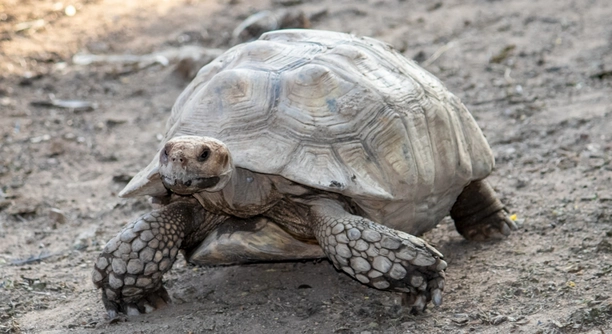
If you’ve noticed that your sulcata tortoise’s shell is starting to look lumpy, it can be concerning. Understanding what’s going on can help you provide the best care for your pet.
The most common reason for a sulcata tortoise’s shell turning lumpy is a nutritional imbalance or health issues. Inadequate calcium, dehydration, or a fungal infection can lead to shell deformities that cause lumps or bumps.
Proper care and attention can help prevent further issues. In the following sections, we’ll explore how to address these problems and keep your tortoise healthy.
Causes of Lumpy Shells in Sulcata Tortoises
A sulcata tortoise’s shell may become lumpy for several reasons. One of the most common causes is poor diet. If your tortoise isn’t getting enough calcium, it can affect the growth of its shell, causing it to develop irregularities. Calcium is vital for strong shell development, and a lack of it can result in a shell that appears bumpy or misshapen. Similarly, dehydration is another factor that could lead to shell deformities. If your tortoise isn’t drinking enough water or consuming moisture-rich foods, its shell may not develop properly. Another cause to consider is fungal infections, which can lead to lumps on the shell’s surface. If your tortoise is exposed to damp conditions for long periods, it may be prone to these infections. Regular care, the right diet, and proper habitat conditions are essential to preventing these issues and maintaining a healthy shell.
Hydration and a balanced diet are key in preventing shell abnormalities. It’s essential to provide your sulcata tortoise with fresh water and foods rich in calcium to support its overall health.
Keeping your sulcata tortoise’s shell healthy requires a few adjustments to its daily routine. Make sure its enclosure is kept dry and clean, as damp conditions can encourage fungal growth. Offer a variety of greens that provide essential nutrients and calcium, such as dandelion greens, collard greens, and kale. It’s also a good idea to provide a calcium supplement to ensure your tortoise is getting enough of this crucial mineral. Regularly monitor your tortoise’s shell for any signs of changes or lumps. If you notice any irregularities, taking your pet to a vet experienced in reptiles is essential for proper diagnosis and treatment. A vet may suggest adjustments to diet, humidity levels, or offer specific medications to address fungal infections if they are present. Consistent care, proper nutrition, and appropriate living conditions are the best ways to keep your sulcata tortoise’s shell smooth and healthy.
How to Address Shell Lumps
The most effective approach to addressing shell lumps in sulcata tortoises is prevention. Regular check-ups with a vet can catch early signs of issues, and providing the right environment can help avoid complications.
If your sulcata tortoise has developed lumps on its shell, addressing the root cause is critical. Start by ensuring that its habitat is clean and dry. Dampness can lead to fungal infections, which are often the cause of lumpy shells. Adjust the diet to make sure your tortoise is getting sufficient calcium, which may include providing calcium-rich foods or supplements. Hydration is equally important. Ensure that your tortoise has access to fresh water at all times and offer high-moisture foods like leafy greens. If the lumps are caused by an infection, a vet may recommend antifungal treatments or prescribe other medications to help your tortoise recover. Regular observation of your tortoise’s shell will allow you to detect problems early, ensuring the best chance for a smooth, healthy shell in the future.
The Role of Diet in Shell Health
A proper diet is one of the most important factors in keeping your sulcata tortoise’s shell healthy. If the diet lacks essential nutrients, particularly calcium, it can cause the shell to grow abnormally, resulting in lumps or other deformities.
Offering a variety of greens is essential. Tortoises need calcium-rich foods like dandelion greens, collard greens, and kale. It’s also important to provide high-fiber grasses and hay to keep the digestive system working smoothly. A diet heavy in fruits can lead to imbalances. Be sure to limit fruits, offering them only as occasional treats. You can also use a calcium supplement to ensure your tortoise gets enough of this essential mineral. Providing the right balance of vitamins and minerals will help maintain a smooth, healthy shell and prevent deformities over time.
To help support overall health, ensure your tortoise has access to clean water. Regular hydration plays a key role in shell growth and development. Without it, your tortoise may face dehydration, which can further affect its shell.
How Habitat Conditions Affect the Shell
The environment your sulcata tortoise lives in significantly impacts its shell development. Poor habitat conditions can contribute to shell abnormalities, including lumps and other deformations.
A dry, clean environment is necessary for preventing fungal infections, which can cause lumps on the shell. Dampness in their enclosure creates an ideal environment for mold and fungi, which may worsen if left untreated. Use proper bedding material to keep the habitat dry, and ensure there is enough ventilation to reduce humidity. It’s also crucial to maintain consistent temperature levels. Tortoises need warmth to digest food properly, and improper temperatures can lead to health issues, including shell problems. Regularly monitor temperature and humidity levels to avoid complications that may lead to shell deformities.
Proper lighting is another vital factor. UVB light is essential for your tortoise to properly absorb calcium, which supports healthy shell growth. Without it, the shell may become brittle and misshapen. Make sure to provide UVB lighting for at least 10-12 hours a day.
Fungal Infections and Their Impact on the Shell
Fungal infections can cause lumps and irregularities on your sulcata tortoise’s shell. These infections thrive in damp, humid conditions and can spread quickly if not addressed.
If the environment is too wet or dirty, fungi can develop on the shell’s surface, leading to discoloration and bumps. A fungal infection can also weaken the shell, making it more susceptible to further damage. Regularly clean the enclosure and ensure it is well-ventilated to prevent mold growth. If you suspect a fungal infection, it’s best to consult a vet for treatment.
A vet may recommend antifungal medication or topical treatments to address the infection. Fungal infections can be severe if untreated, so quick action is necessary.
The Importance of Regular Vet Check-Ups
Regular vet check-ups are essential to monitor your sulcata tortoise’s shell health. A vet can identify any potential issues early on and help prevent severe deformities or infections.
During a vet visit, the doctor can examine your tortoise’s shell for signs of lumps, bumps, or unusual growth patterns. They may recommend adjustments to diet, habitat, or medications to correct any underlying issues. Keeping up with vet visits ensures that your tortoise’s shell remains healthy and that any potential concerns are addressed quickly. Routine check-ups also help track overall health and longevity, reducing the risk of complications in the future.
FAQ
Why is my sulcata tortoise’s shell lumpy?
A lumpy shell can be a sign of various health issues. It’s often caused by poor diet, such as a lack of calcium, which affects shell development. Dehydration or fungal infections can also lead to irregular growth on the shell. Make sure your tortoise has access to fresh water, a balanced diet, and a dry, clean habitat to prevent these problems.
How can I prevent my sulcata tortoise’s shell from becoming lumpy?
Preventing lumps in your tortoise’s shell starts with providing the right diet, including calcium-rich foods like dandelion greens, kale, and collard greens. Ensure the habitat is dry and clean, with adequate ventilation to avoid fungal infections. Keep the environment warm and provide UVB lighting to help calcium absorption.
Should I be worried if my sulcata tortoise’s shell starts to get bumps?
Bumps on the shell are often a sign of an underlying issue, such as dehydration, improper diet, or fungal infections. While it’s important to address these concerns early, it’s best not to panic. Regular vet check-ups and proper care can often resolve these issues before they become more serious.
What type of food should I feed my sulcata tortoise to avoid shell problems?
To avoid shell problems, offer a variety of leafy greens like collard greens, dandelion greens, and kale. Provide high-fiber grasses and hay, but avoid too much fruit, as it can lead to nutritional imbalances. A calcium supplement may also be necessary to support healthy shell growth.
Can dehydration cause my sulcata tortoise’s shell to become lumpy?
Yes, dehydration can lead to shell problems. If your sulcata tortoise is not getting enough water, its shell may not grow properly, leading to lumps or other deformities. Ensure that your tortoise always has access to fresh, clean water and that it eats moisture-rich foods like leafy greens to stay hydrated.
How often should I clean my sulcata tortoise’s enclosure to prevent shell problems?
Clean your tortoise’s enclosure regularly to avoid the buildup of bacteria or fungi. Ideally, you should spot clean daily and perform a more thorough cleaning of the entire habitat every week. This helps to maintain a dry and healthy environment, reducing the risk of fungal infections that can affect the shell.
What should I do if I suspect a fungal infection on my tortoise’s shell?
If you notice signs of a fungal infection, such as discolored patches or lumps on the shell, it’s important to consult a vet. Fungal infections can worsen if left untreated, so a vet can provide antifungal treatments to help clear up the infection. In the meantime, ensure the environment is dry to prevent further growth.
Can I treat my sulcata tortoise’s lumpy shell at home?
Some minor shell issues, like small bumps from dehydration, can improve with better diet and hydration. However, for fungal infections or severe deformities, it’s best to consult a vet. They can recommend appropriate treatments, such as antifungal creams, calcium supplements, or dietary changes. Never attempt to treat serious issues without professional guidance.
Is it necessary to provide UVB light for my sulcata tortoise?
Yes, UVB light is crucial for your tortoise’s health. It helps your sulcata absorb calcium, which is vital for a healthy shell. Without proper UVB exposure, your tortoise may suffer from metabolic bone disease, which can result in shell deformities. Ensure your tortoise gets 10-12 hours of UVB light daily.
What are the signs that my sulcata tortoise’s shell problems are serious?
If you notice your tortoise’s shell becoming increasingly misshapen, soft, or brittle, this may be a sign of a serious issue like metabolic bone disease or an advanced fungal infection. Any signs of infection, such as pus or bad odor from the shell, should be treated immediately. Consult a vet if you notice any of these signs.
How can I tell if my sulcata tortoise’s shell is growing normally?
A healthy shell will grow steadily without significant lumps, cracks, or deformities. If the shell seems uneven, soft, or has unusual growths, it’s important to check its diet, hydration, and environment. Regular vet visits can help monitor the tortoise’s shell health and identify potential problems early.
Can I fix a lumpy shell once it has already developed?
Once a shell has developed lumps, it may not return to its original state, especially if the damage is severe. However, with proper care, including a balanced diet, adequate hydration, and treatment for any infections, you can prevent further damage. In some cases, a vet may provide specific treatments to improve the shell’s condition.
What are the most common causes of shell abnormalities in sulcata tortoises?
The most common causes of shell abnormalities in sulcata tortoises are poor diet, dehydration, and fungal infections. A lack of calcium or improper UVB exposure can result in soft or misshapen shells. Ensuring proper nutrition and a clean, dry environment can help prevent these issues.
Is calcium supplementation necessary for my sulcata tortoise?
Calcium supplementation is often necessary to support your sulcata tortoise’s shell health, especially if you’re concerned about calcium deficiency. You can provide calcium through foods like leafy greens or use a calcium powder supplement. Always ensure that the tortoise has access to a proper diet and UVB light to help absorb the calcium effectively.
How does temperature affect the health of my sulcata tortoise’s shell?
Temperature plays a significant role in your sulcata tortoise’s health. If the enclosure is too cold, the tortoise may struggle to digest food, affecting overall health and shell growth. Conversely, if the environment is too hot, it can cause stress and dehydration. Maintaining a stable, warm environment is essential for healthy shell development.
Final Thoughts
Taking care of your sulcata tortoise’s shell is important for its overall health. The shell plays a key role in protecting your tortoise and supporting its body structure. If you notice lumps or other abnormalities, it’s essential to pay attention and determine the cause. By maintaining a proper diet, ensuring hydration, and keeping its environment clean and dry, you can help prevent many of the issues that lead to shell problems. Regular check-ups with a vet can also catch any early signs of illness or nutritional imbalance.
Diet is one of the most significant factors that affect the health of your tortoise’s shell. Providing calcium-rich foods and making sure your tortoise gets the right nutrients is crucial. Leafy greens like kale and dandelion greens should be a staple in their diet, and the right amount of fiber helps with digestion. Calcium supplements may also be needed to ensure that your tortoise’s shell grows properly. Avoiding too much fruit is important, as it can cause an imbalance in the diet. Fresh, clean water should always be available to keep your tortoise hydrated and to help it maintain a healthy shell.
Lastly, the environment in which your tortoise lives can have a major impact on shell health. Keeping the enclosure dry and clean reduces the chances of fungal infections, which can lead to lumps and other issues on the shell. Proper lighting, especially UVB light, is essential for calcium absorption and overall well-being. Maintaining the right temperature and humidity levels in the habitat is equally important. By making small adjustments to diet and environment, and addressing any issues early on, you can ensure your sulcata tortoise stays healthy and its shell remains in good condition.

Hello,
If you enjoy the content that we create, please consider saying a "Thank You!" by leaving a tip.
Every little bit helps us continue crafting quality advice that supports the health, happiness, and well-being of pets around the world, for pets of all shapes, sizes, and species.
We really appreciate the kindness and support that you show us!