
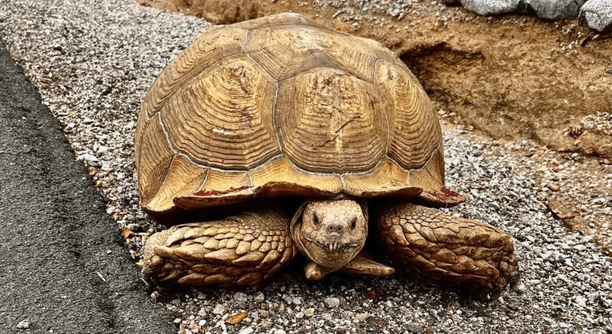
Sulcata tortoises are known for their curious nature, which often leads them to explore beyond their enclosure. This behavior can be puzzling and sometimes frustrating for owners. Understanding why they attempt to escape can help address the issue.
The main reason a Sulcata tortoise tries to escape is related to its natural instincts. These tortoises are driven by a need to explore their environment, find food, and ensure safety. Proper enclosure setup can help mitigate this behavior.
There are several ways to prevent escape attempts and create a more comfortable environment for your tortoise. Understanding their needs is key to ensuring a happy and healthy pet.
Why Do Sulcata Tortoises Try to Escape?
Sulcata tortoises are known for their curious nature and love for wandering. When they are trying to escape, it’s not a random act but a result of their natural instincts. These tortoises, being one of the largest species of land tortoises, often try to explore their surroundings or find more suitable living conditions. The desire to roam and seek out new environments is strong in them, driven by their instincts to find food, water, and shelter. In the wild, they cover large areas, so it’s only natural for them to want to do the same in captivity. While this behavior is common, it can be managed with the right precautions.
Their need to escape usually stems from feeling confined or uncomfortable. Sulcata tortoises are active and need enough space to move around. A small or inadequate enclosure can cause them to feel restricted, prompting escape attempts. In addition, a lack of stimulation or proper hiding spots may also contribute to this behavior. Tortoises seek out spaces where they feel safe and secure.
To address this issue, it’s essential to create an environment that caters to their needs. Ensure the enclosure is large enough and provides a comfortable habitat, with places for them to hide, bask, and roam freely. Offering ample space can reduce their desire to escape.
Enclosure Size and Security
A small or poorly constructed enclosure is a major reason Sulcata tortoises try to escape. If the space isn’t large enough, they’ll feel confined and attempt to get out. This behavior can become frustrating for both the tortoise and its owner.
The enclosure should be large, with enough space to accommodate their active nature. A 10-foot by 10-foot area is recommended for a single adult Sulcata. This gives them room to explore and move freely. Additionally, a solid, secure fence is necessary to prevent escape. Ensure there are no gaps, and the fence height should be at least 2 feet to keep them from climbing over.
Check the enclosure regularly for weak spots, especially after bad weather, as they can wear down the structure. Using heavy materials like concrete blocks or thick wooden panels will provide added durability. Even though Sulcatas may seem calm, their strength and determination make it easy for them to escape if their habitat isn’t secure.
Temperature and Lighting
Sulcata tortoises are cold-blooded, requiring specific temperatures to stay healthy. If the enclosure is too cold, they might attempt to escape to find a more suitable environment. It’s essential to maintain proper temperature gradients for their well-being.
Ensure that the tortoise’s habitat has both warm and cool areas. A basking spot should reach around 95-100°F, while the cooler side should stay between 70-80°F. These temperature zones allow the tortoise to regulate its body temperature. A heat lamp or ceramic heater can be used to maintain warmth, especially during colder months.
Without a temperature gradient, Sulcata tortoises can become stressed, leading to unusual behaviors like digging or attempting to escape. Be mindful of temperature fluctuations to keep them comfortable. Providing consistent warmth and light will help keep them in their designated space and discourage wandering.
Food and Water Availability
Lack of sufficient food or water can drive a Sulcata tortoise to look for a better source. If they aren’t getting enough, they might try to escape to find more. It’s essential to provide regular and consistent supplies.
Sulcata tortoises need a varied diet that includes grasses, leafy greens, and hay. They also require fresh water every day, so make sure there’s always a clean bowl available. If food or water is scarce, they may become agitated and more likely to escape. Always check their supplies and offer plenty of options to keep them content.
Environmental Enrichment
Sulcata tortoises benefit from a stimulating environment that mimics their natural habitat. Without enough mental and physical stimulation, they may begin to search for something else. Providing enrichment is crucial.
Incorporating natural elements such as rocks, logs, and plants can help keep them busy. A good setup allows them to explore, climb, and dig, providing a healthier and happier lifestyle. It’s important to include hiding spots for them to retreat to when they need some privacy. This helps reduce stress and keeps them from trying to escape.
FAQ
Why is my Sulcata tortoise digging constantly?
Digging is a natural behavior for Sulcata tortoises. In the wild, they dig to find shelter, food, or to escape harsh weather conditions. In captivity, digging can be a sign that they are looking for a more suitable environment, especially if their enclosure feels too small or uncomfortable. Ensure they have enough space, proper temperature gradients, and a variety of surfaces to explore, which can help reduce digging.
How can I prevent my Sulcata tortoise from escaping?
To prevent escape attempts, make sure the enclosure is large enough, with secure fencing or walls. A height of at least 2 feet is recommended to prevent climbing. Also, check for gaps or weak points in the structure regularly. The tortoise should feel comfortable, with enough food, water, and stimulation to keep it occupied. Adding natural elements like rocks and hiding spots can also help.
How do I know if my Sulcata tortoise is stressed?
Stress in Sulcata tortoises can manifest in various ways, including excessive digging, pacing, or attempting to escape. They may also show signs of a reduced appetite or appear lethargic. If you notice these behaviors, check for issues with their habitat, such as temperature imbalances, insufficient food or water, or inadequate space. Providing a calm and secure environment can help alleviate stress.
Can Sulcata tortoises live outside year-round?
Sulcata tortoises can live outside year-round in climates that don’t experience extreme cold. They thrive in temperatures between 70°F and 95°F. However, if you live in a cooler climate, you will need to provide them with a heated enclosure to keep them warm during the colder months. Always ensure they have access to shade and water to avoid overheating in hot weather.
How often should I feed my Sulcata tortoise?
Sulcata tortoises should be fed daily, but it’s important to provide them with the right foods. Their diet primarily consists of grasses, hay, and leafy greens. You should avoid feeding them too many fruits or high-protein foods, as this can cause health problems. Fresh water should also be provided daily to keep them hydrated. Monitor their eating habits to ensure they’re getting the proper nutrition.
Do Sulcata tortoises need a companion?
Sulcata tortoises are generally solitary animals and do not need a companion to thrive. While they can tolerate the presence of other tortoises, they are not social animals and can become territorial. If you plan to keep more than one, ensure that they have enough space to avoid stress and fighting. If you notice any aggressive behavior, it might be best to separate them.
What temperature should I keep my Sulcata tortoise’s enclosure?
The enclosure should have a temperature gradient. The basking area should be between 95°F and 100°F, while the cooler side should be around 70°F to 80°F. At night, the temperature can drop to around 60°F, but it should not go below that. You can use a heat lamp or ceramic heater to maintain proper warmth, and a thermometer will help you monitor the temperature.
Is it normal for my Sulcata tortoise to eat less in the winter?
Yes, it is normal for Sulcata tortoises to eat less during the winter months. Their metabolism slows down when the temperature drops, and they may not be as active. However, they still need access to food and water, so make sure you’re offering the right diet. If your tortoise stops eating entirely or shows signs of illness, it’s a good idea to consult a veterinarian.
Can I house a Sulcata tortoise with other pets?
Sulcata tortoises should not be housed with other pets, especially if they are smaller or more aggressive. These tortoises are large and can easily harm smaller animals. Additionally, other pets might stress the tortoise or interfere with its access to food and water. It’s best to keep them in their own enclosure to avoid any potential conflicts or health risks.
How can I keep my Sulcata tortoise healthy?
To keep your Sulcata tortoise healthy, ensure it has a balanced diet of grasses, hay, and leafy greens. Provide fresh water daily, and make sure the enclosure is large enough for them to move around. Keep the environment clean and maintain proper temperatures. Regular veterinary checkups are also essential for monitoring their health and preventing diseases.
Final Thoughts
Understanding why your Sulcata tortoise keeps trying to escape is essential for providing the best care possible. These tortoises are naturally curious and can become restless if they feel confined or stressed. Identifying the cause of their behavior, whether it’s an inadequate enclosure, lack of food, or environmental discomfort, can help you address the issue effectively. By creating a more comfortable and enriching space, you can reduce the chances of your tortoise attempting to escape. Remember that proper care goes beyond just the physical environment; mental stimulation and consistent attention are key to keeping them happy and healthy.
Providing an appropriate habitat is one of the most important steps in preventing escape attempts. Sulcata tortoises need plenty of space to roam and explore. A secure, spacious enclosure with proper temperature gradients, hiding spots, and natural elements will help meet their needs. Ensure the enclosure is high enough to prevent climbing, and regularly check for any gaps or weak points that might encourage your tortoise to find a way out. Having the right setup can make a significant difference in reducing unwanted escape attempts and stress.
Finally, regular observation and maintenance of your tortoise’s habitat are crucial to ensuring their overall well-being. Sulcata tortoises may sometimes show signs of discomfort or frustration, but with the right approach, these behaviors can be managed. A balanced diet, sufficient water, and regular interaction will help foster a positive environment for your tortoise. By staying attentive to their needs and making adjustments as necessary, you can ensure your Sulcata tortoise feels secure, comfortable, and less inclined to try escaping.

Hello,
If you enjoy the content that we create, please consider saying a "Thank You!" by leaving a tip.
Every little bit helps us continue crafting quality advice that supports the health, happiness, and well-being of pets around the world, for pets of all shapes, sizes, and species.
We really appreciate the kindness and support that you show us!