
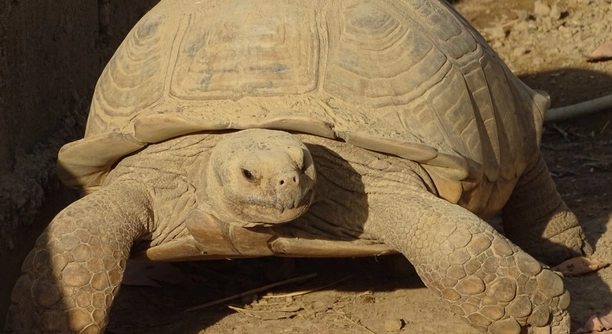
Tortoises, like the sulcata, are fascinating creatures. They thrive in environments that are engaging and enriching. A well-designed habitat can boost their health and happiness, providing them with opportunities to explore and grow.
Enriching your sulcata tortoise’s environment is essential for its well-being. Simple changes, such as adding new textures, hiding food, and providing more space to roam, can stimulate their natural instincts and improve their overall quality of life.
There are several easy, fun ways to enhance their living space. By making thoughtful adjustments, you can ensure your tortoise feels more comfortable and engaged in its habitat.
Add Natural Elements to the Habitat
Adding natural elements, like rocks, logs, and plants, can make a huge difference in your tortoise’s environment. These items mimic the wild surroundings of a sulcata tortoise and provide enrichment. When placed strategically, they can offer hiding spots, climbing opportunities, and new areas to explore. A varied environment also helps replicate the textures and smells your tortoise might encounter in its natural habitat.
Rocks can be stacked or spread around, while logs provide a place for your tortoise to rest and climb. Some non-toxic plants can add color and variety to the space, offering your tortoise a more dynamic area to roam.
When choosing plants, make sure they are safe for your tortoise to nibble on. Many common houseplants can be harmful. Consider adding edible greens like dandelions or clover, which will not only enhance the space but also provide a treat. Combining natural elements with a few hiding spots gives your sulcata tortoise a comfortable and stimulating space to thrive in.
Provide Varied Surfaces
Switching up the surface materials in your tortoise’s enclosure can have a positive impact. Adding sand, dirt, or pebbles gives your tortoise something different to walk on.
A mixed surface allows your tortoise to practice digging, a natural behavior that helps them stay active and engaged. These materials also aid in providing traction and are important for tortoise health.
Create Hiding Spots
Tortoises feel safer when they have a place to hide. Providing them with shelters where they can retreat helps reduce stress. These can be made from logs, boxes, or even a simple pile of leaves.
A hiding spot is essential for sulcata tortoises, as it mimics their need for shelter from the sun or potential threats. It allows them to feel secure and calm, particularly in the daytime when they might want to take a break. Offering a few hiding spots in different areas of the habitat encourages exploration and security.
Be sure that the hiding spots are big enough for your tortoise to turn around comfortably. Too small a space can cause stress. If you’re using a box or log, ensure there is enough ventilation. Keep the hiding spots clean and dry to prevent health issues.
Add Water Features
Water plays a significant role in the well-being of sulcata tortoises. It’s important to provide a shallow water dish that is easy for them to access.
A small, shallow pond or dish placed in the habitat can be a great addition. It not only helps with hydration but also provides a place for your tortoise to cool off when needed. Keep the water fresh and change it regularly to avoid bacteria buildup. Adding a rock near the water will give your tortoise a place to climb in and out easily.
A water feature can also add a more natural feel to the environment. If you have the space, a small stream or a shallow dish with clean water can encourage hydration and even bathing. Just ensure the water depth is suitable for your tortoise’s size. Keep the feature safe, with no sharp edges or areas where your tortoise could get stuck.
Provide UVB Lighting
Sulcata tortoises need UVB light to help them synthesize vitamin D3, which is crucial for their health. Make sure your tortoise’s enclosure has access to proper UVB lighting.
UVB lights should be placed over the habitat, mimicking natural sunlight. A good UVB light helps regulate your tortoise’s metabolism and shell growth. Without it, they could develop bone health issues.
Check the UVB light every 6 to 12 months to ensure it’s still effective. The light should cover a good portion of the habitat, allowing your tortoise to soak up the benefits wherever they roam.
Offer Variety in Diet
A varied diet is key to keeping your sulcata tortoise healthy. Include a mix of leafy greens, grass, and safe vegetables.
Offering different types of food encourages natural foraging behavior and ensures your tortoise gets all the nutrients it needs. Add variety each week to avoid monotony and keep their diet balanced.
Include Safe Climbing Structures
Climbing is natural for tortoises, and adding safe structures helps with exercise. Provide rocks, logs, or safe ramps.
Climbing opportunities improve your tortoise’s muscle tone and overall physical health. Just make sure the climbing surfaces are stable and safe for your tortoise to navigate.
FAQ
How much space does a sulcata tortoise need?
Sulcata tortoises are large and need plenty of space to roam. A general guideline is that a single tortoise requires at least 100 square feet of space. However, larger enclosures are better, as they allow for more natural behavior like foraging, digging, and exploring. If your tortoise is kept indoors, consider a large outdoor pen or a spacious indoor area with plenty of room for movement.
What type of substrate should I use for my tortoise?
The substrate should mimic the natural desert or semi-arid environments that sulcata tortoises are used to. You can use a mix of materials like hay, grass, coconut coir, and soil. This combination helps with moisture retention and gives your tortoise a comfortable surface for digging. Avoid using wood shavings, as they can be too dry or create dust, which could harm your tortoise’s respiratory system.
How do I maintain the right temperature for a sulcata tortoise?
Sulcata tortoises need a warm environment to thrive. The basking area should be between 95-105°F (35-40°C). The rest of the enclosure can be cooler, around 75-85°F (24-29°C). Use heat lamps, ceramic heaters, or under-tank heating pads to maintain a stable temperature. Make sure there are temperature gradients in the habitat so your tortoise can move between warmer and cooler areas based on their needs.
Do I need to provide a heat lamp for my sulcata tortoise?
Yes, a heat lamp is necessary to provide the warmth your tortoise needs for digestion and overall health. A basking light helps simulate the sun’s heat, especially if they are kept indoors. A UVB light should also be provided to help with calcium absorption and the synthesis of vitamin D3, which is essential for bone health.
What is the best diet for a sulcata tortoise?
A sulcata tortoise is primarily herbivorous. Their diet should consist of a variety of grasses, hay, and leafy greens like dandelions, clover, and kale. You can also offer occasional vegetables like squash or bell peppers. Avoid feeding them high-protein foods or fruits, as these can cause health issues. Always make sure the food is free from pesticides, and wash it thoroughly before offering it.
How often should I feed my sulcata tortoise?
Sulcata tortoises should be fed daily, especially if they are young and still growing. As they mature, you can reduce the frequency to every other day or every three days. The key is to provide fresh, varied food daily, ensuring they have constant access to fresh water. Monitor your tortoise’s weight and adjust their food intake accordingly.
Do sulcata tortoises need water daily?
Yes, sulcata tortoises need access to fresh water every day. You should offer a shallow dish of water for drinking and soaking. While they may not drink a lot at once, they will often hydrate by soaking in their water dish. Regular soaking can also help keep their skin and shell in good condition. Ensure that the water is changed frequently to keep it clean and free of bacteria.
Can I keep a sulcata tortoise with other pets?
Sulcata tortoises can sometimes be kept with other pets, but it requires careful consideration. They are generally peaceful creatures, but they can be territorial or aggressive, especially when they feel threatened. Never house them with other reptiles, as they might spread diseases or compete for space. If you plan to keep other pets, make sure they are compatible with your tortoise’s needs and are not a threat.
How often should I clean my sulcata tortoise’s habitat?
You should spot clean your sulcata tortoise’s habitat daily by removing uneaten food and any waste. A full cleaning should be done once a week, including changing the substrate, wiping down surfaces, and cleaning the water dish. Keeping the habitat clean helps prevent bacterial growth and keeps your tortoise healthy.
How long do sulcata tortoises live?
Sulcata tortoises have long lifespans, often living 50 years or more with proper care. Some individuals have been known to live up to 100 years. It’s important to understand that a sulcata tortoise is a long-term commitment and will require consistent care throughout its life. Proper diet, space, and health management will help ensure your tortoise lives a long, healthy life.
Can I let my sulcata tortoise roam outside?
Yes, sulcata tortoises enjoy spending time outside, especially in warm weather. They benefit from the sun, and the space allows them to roam freely and exhibit natural behaviors. However, you must create a secure outdoor enclosure, as they are excellent diggers and may try to escape. Make sure the environment is safe from predators and that there are no hazardous plants.
How can I tell if my sulcata tortoise is sick?
Watch for signs of illness such as lethargy, loss of appetite, abnormal shell growth, or abnormal droppings. Any changes in behavior or appearance should be addressed immediately. If your tortoise becomes unusually inactive, has runny eyes or nose, or develops swollen limbs, it’s time to consult a veterinarian experienced with reptiles. Regular check-ups can help detect health issues early.
Do sulcata tortoises need a special type of bedding?
Sulcata tortoises don’t require special bedding but should be provided with a natural substrate that mimics their natural environment. As mentioned earlier, a mixture of hay, grass, and soil is ideal. The substrate should be absorbent and easy to clean. Avoid using sand alone, as it can be harmful if ingested.
Caring for a sulcata tortoise can be a rewarding experience, but it also requires attention to their needs. Creating a proper environment is essential to ensure their well-being. From providing a spacious enclosure to offering safe hiding spots, each aspect of their habitat contributes to their overall health. The more you can mimic their natural environment, the better they will thrive.
Regular care, like maintaining the correct temperature and lighting, is key for your tortoise’s development. UVB lighting and proper heat help them digest food and absorb essential vitamins. Providing the right diet, with a mix of grass, hay, and leafy greens, ensures they get the nutrients needed for strong bones and healthy growth. Keeping their environment clean and offering fresh water is just as important. Regular hydration and bathing are necessary for their skin and overall comfort.
Finally, remember that a sulcata tortoise can live for decades. This long lifespan means that you must be ready for a long-term commitment. Their care involves regular observation to ensure they are eating well, staying active, and not showing signs of illness. By following the right care guidelines, you can create a happy and healthy life for your sulcata tortoise.

Hello,
If you enjoy the content that we create, please consider saying a "Thank You!" by leaving a tip.
Every little bit helps us continue crafting quality advice that supports the health, happiness, and well-being of pets around the world, for pets of all shapes, sizes, and species.
We really appreciate the kindness and support that you show us!