
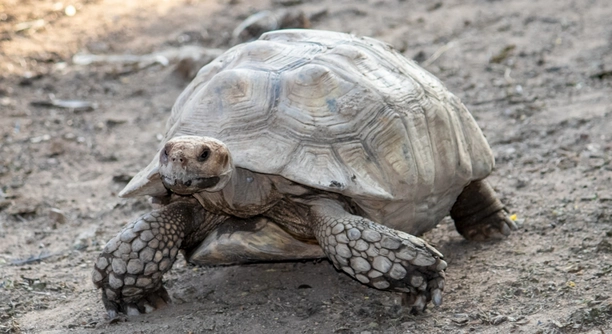
Sulcata tortoises are fascinating creatures, but their behavior can sometimes leave owners scratching their heads. One common action that might puzzle you is when your tortoise keeps banging its shell.
Tortoises may bang their shells as a form of communication or self-defense. It can also be related to stress, territorial behavior, or an attempt to escape from a perceived danger. Understanding the cause will help address this behavior.
By paying attention to their environment and habits, you can pinpoint the reason behind this action. Let’s explore the causes and what you can do to help your tortoise feel more at ease.
Common Causes of Shell Banging in Sulcata Tortoises
Shell banging in Sulcata tortoises is often a sign of stress, frustration, or an attempt to communicate. This behavior may also indicate that your tortoise feels threatened by its surroundings, especially in an unfamiliar environment. If your tortoise feels confined or unsafe, it may use this behavior as a way of showing discomfort. Other times, it could be an instinctive reaction to its environment, like trying to escape from a barrier or enclosure that feels too small. Ensuring that the habitat is large enough and offers appropriate hiding spaces can help minimize this behavior.
If you’ve noticed shell banging happening often, take a closer look at your tortoise’s surroundings. Are there loud noises, sudden movements, or changes that could be unsettling them? You may also want to check if the habitat temperature is ideal.
Creating a secure and stable environment for your tortoise is key to reducing stress. Offering plenty of space, ensuring the right temperature, and minimizing sudden changes can provide a calmer atmosphere where this behavior will likely decrease.
Stress and Its Impact on Behavior
Stress can cause your Sulcata tortoise to act out in different ways.
A stressed tortoise may not only bang its shell but also show signs of restlessness or a lack of interest in food. Stress can come from a variety of sources, including loud noises, bright lights, or a lack of hiding places. It’s important to make sure your tortoise has a comfortable, quiet space where it can retreat when it feels overwhelmed.
When a Sulcata tortoise is constantly stressed, it can have long-term effects on its health and overall well-being. A stressed tortoise may become less active, experience a decrease in appetite, or even exhibit more shell banging in an attempt to escape. Maintaining a peaceful and secure environment is essential for your tortoise’s mental and physical health. Regularly check the conditions in the habitat and try to eliminate any stressful triggers. A calm and stable environment can encourage your tortoise to settle and act more naturally.
Territorial Behavior and Shell Banging
Territorial instincts can drive your Sulcata tortoise to bang its shell.
Sulcata tortoises are naturally solitary animals and may act aggressively toward other creatures in their environment. If another animal enters their space, they might use their shell to assert dominance or communicate a warning. This could also be the case if you’ve recently introduced a new pet or even rearranged their habitat, causing them to feel threatened. It’s important to ensure that your tortoise has enough space to feel secure and is not constantly confronted by other animals.
A simple solution to manage territorial behavior is to provide more space or create separate areas for different pets. Your Sulcata tortoise will feel more at ease if it doesn’t see other animals as a constant threat. You may also want to create visual barriers, such as plants or walls, so that your tortoise can establish its space without feeling threatened by intruders.
Lack of Proper Space or Enclosure
A lack of space can cause your Sulcata tortoise to act out.
Sulcata tortoises are large animals that require plenty of room to roam and explore. Without a proper enclosure, they may feel confined and stressed. If your tortoise’s enclosure is too small, it might start banging its shell as a sign of frustration. Shell banging can also occur when a tortoise is trying to escape from a space it feels is too restrictive. If you’re noticing this behavior, consider upgrading your tortoise’s enclosure to one that offers more space for movement and hiding spots.
Having a larger, well-structured enclosure will not only reduce shell banging but also provide your tortoise with the opportunity to engage in more natural behaviors. Be sure the enclosure has access to plenty of substrate, a heat source, and some areas where your tortoise can retreat when it needs a break from exploring. This will create a comfortable environment that helps prevent feelings of confinement.
Boredom and Lack of Stimulation
Boredom can also lead to shell banging in your tortoise.
When Sulcata tortoises are not mentally stimulated, they may engage in repetitive behaviors like shell banging. This can happen if they don’t have enough space to explore or enough things to interact with. Providing items such as rocks, logs, and different textures can encourage natural behaviors.
Without proper mental engagement, your tortoise may start banging its shell to get your attention or simply out of frustration. Regularly adding new objects to the enclosure, or changing things around, can help keep your tortoise entertained. Be sure that it has access to a variety of things to explore, like tunnels or hideaways, to prevent boredom from setting in.
Temperature and Shell Banging
Temperature plays a significant role in your tortoise’s behavior.
If the temperature in your tortoise’s habitat is too hot or too cold, it can lead to stress, making them act out, including banging their shell. Tortoises are cold-blooded, and their bodies rely on the temperature of their environment to regulate their health and energy levels. Check the temperature regularly to ensure it stays within the appropriate range.
A stable, comfortable temperature will help your Sulcata tortoise stay relaxed and active. If you find that the habitat is too cold, consider adding a heat lamp or moving your tortoise to a warmer area of your home. Conversely, if it’s too hot, you can add cooler spaces or a shaded area for them to retreat to.
Overcrowding and Stress
Overcrowding can make your tortoise feel stressed and anxious.
When multiple tortoises are kept in the same space, it can lead to territorial disputes, causing stress and sometimes shell banging. Sulcata tortoises do best in solitary environments, where they don’t have to compete for resources or space. If your tortoise is housed with others, it may bang its shell to express its discomfort or attempt to ward off the other animals.
FAQ
Why does my Sulcata tortoise bang its shell against the walls of its enclosure?
Your Sulcata tortoise might be banging its shell because it feels stressed, confined, or threatened. This can happen if the enclosure is too small, the tortoise is overwhelmed by environmental changes, or if it feels territorial. It could also be an attempt to escape if it feels trapped or uncomfortable. To reduce this behavior, make sure the enclosure is spacious and provides enough hiding spots to help your tortoise feel secure.
Can shell banging indicate a health problem?
While shell banging is typically behavioral, it’s important to rule out any physical discomfort. If your tortoise is hitting its shell unusually hard or repeatedly, it could signal that something is wrong. For example, it could be a reaction to pain caused by shell damage, internal issues, or an improper diet. If the behavior continues or seems excessive, it’s best to consult a veterinarian to rule out health problems.
How can I stop my tortoise from banging its shell?
To stop shell banging, the first step is to ensure your tortoise’s habitat is large and stress-free. Make sure there are no loud noises, sudden movements, or overcrowding, and check that the temperature and humidity are optimal. If the enclosure feels cramped or unsuitable, consider upgrading it. Adding enrichment items like rocks, tunnels, and plants can also keep your tortoise entertained and distracted.
Does my tortoise need a companion to stop shell banging?
Sulcata tortoises are solitary creatures and don’t necessarily need a companion. In fact, introducing another tortoise or animal could make the behavior worse, as they may become territorial. Giving your tortoise plenty of space and ensuring it doesn’t feel threatened or bored is usually all it needs. A solitary environment with enrichment can be ideal for their well-being.
Could shell banging be a sign of aggression towards other pets?
Yes, shell banging can be a sign that your tortoise is feeling territorial or protective of its space. Sulcata tortoises are naturally solitary and may see other pets, especially other reptiles or animals, as intruders. If you have other pets, make sure to keep them separated and ensure that your tortoise feels it has its own safe space without constant threats or disturbances.
How do I know if my tortoise is stressed?
Signs of stress in Sulcata tortoises include excessive shell banging, lack of appetite, restlessness, hiding more than usual, or aggressive behavior. Environmental stressors, such as temperature changes, loud noises, or overcrowding, can trigger these responses. If you notice these behaviors, consider adjusting your tortoise’s habitat to make it more comfortable and less stressful. A calm, quiet environment is crucial for their well-being.
Can I use visual barriers to reduce shell banging?
Yes, visual barriers can be effective in reducing shell banging, especially if your tortoise feels threatened by its surroundings. Simple barriers such as plants, rocks, or walls can give your tortoise a sense of privacy and security. By blocking out other animals or visual distractions, you can help reduce stress and prevent territorial behavior.
Is it normal for a Sulcata tortoise to bang its shell occasionally?
It’s normal for Sulcata tortoises to occasionally bang their shell, especially if they’re exploring or trying to move past obstacles. However, if the banging becomes repetitive or violent, it could indicate stress, discomfort, or a need for more space. If your tortoise is only occasionally bumping its shell while exploring, it’s likely just part of its natural behavior.
How can I tell if my tortoise is trying to escape its enclosure?
If your tortoise is persistently banging its shell against the walls of its enclosure, it could be a sign it’s trying to escape. Other signs include your tortoise pushing or climbing against barriers. Ensure your enclosure is secure and large enough for your tortoise to move around comfortably. Adding hides or objects to explore can help provide the stimulation your tortoise needs and reduce the desire to escape.
Do environmental changes trigger shell banging?
Yes, environmental changes can trigger shell banging. If you’ve recently moved your tortoise or altered its enclosure, it might take time to adjust. Changes in lighting, temperature, or the introduction of new animals can also cause stress and lead to behavior like shell banging. To minimize this, try to maintain a stable environment for your tortoise and avoid sudden, drastic changes.
Is shell banging a sign of a problem with my tortoise’s diet?
Diet can sometimes contribute to unusual behaviors, but shell banging is more likely to be related to stress, space, or environmental factors. However, if your tortoise isn’t getting the right nutrients, it may feel weak or uncomfortable, which could contribute to behavior changes. Make sure your tortoise’s diet includes the appropriate balance of grasses, vegetables, and calcium to support its health.
Should I be concerned if my tortoise is banging its shell more frequently?
Frequent shell banging is a cause for concern and should not be ignored. If your tortoise is banging its shell consistently, it might be a sign of stress, a physical issue, or an unsuitable environment. Review its habitat conditions, temperature, diet, and social situation to identify potential causes. If the behavior continues, consult a veterinarian to ensure there are no underlying health issues.
Final Thoughts
Shell banging in Sulcata tortoises can be caused by a variety of factors, and it’s important to consider all possibilities when trying to understand the behavior. In many cases, it’s a sign that your tortoise is stressed, bored, or uncomfortable with its surroundings. Environmental stressors such as temperature fluctuations, a lack of space, or changes in their habitat can all contribute to shell banging. Ensuring that your tortoise has a calm, spacious, and enriching environment is one of the best ways to reduce this behavior.
Additionally, it’s important to observe your tortoise’s overall health. While shell banging is often a behavioral issue, it can sometimes be a response to physical discomfort. If you notice your tortoise behaving differently, such as eating less or becoming lethargic, it’s worth considering if there may be an underlying health problem. A visit to the vet can help rule out any physical causes for the behavior, giving you peace of mind and ensuring your tortoise is not in pain.
By paying close attention to the signs your tortoise is giving you, you can take the necessary steps to address shell banging and improve its well-being. Sometimes, a few changes in the habitat or routine are enough to help your tortoise feel more comfortable. Reducing stress, providing a larger space, adding enrichment, and monitoring the temperature can go a long way in helping your Sulcata tortoise thrive. By keeping their environment stable and secure, you’re giving them the best chance at a happy, healthy life.

Hello,
If you enjoy the content that we create, please consider saying a "Thank You!" by leaving a tip.
Every little bit helps us continue crafting quality advice that supports the health, happiness, and well-being of pets around the world, for pets of all shapes, sizes, and species.
We really appreciate the kindness and support that you show us!