
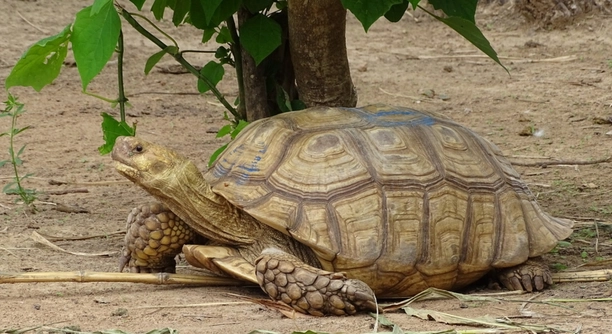
Sulcata tortoises are known for their calm nature, but if yours keeps bumping into walls, it may raise concerns. This behavior is not unusual but understanding the reasons behind it can help you address it.
The most common cause of this behavior is poor vision or disorientation. Sulcata tortoises may struggle with navigating their environment, especially in poorly lit or unfamiliar spaces. Other factors like stress or enclosure size could also contribute.
Addressing these concerns can improve your tortoise’s well-being and prevent further issues.
Possible Reasons Behind the Bumping Behavior
Sulcata tortoises may often bump into walls due to environmental factors. They rely on sight, memory, and their surroundings to navigate, and any disruption in these elements can lead to disorientation. If the enclosure is too small or lacks sufficient space, they may feel trapped and repeatedly bump into the walls. Lighting is another common factor; tortoises are sensitive to bright or dim lighting and may struggle to find their way if their environment isn’t properly lit.
Stress from other animals or sudden changes in routine can also lead to this behavior. A consistent environment helps prevent disorientation, so maintaining a stable temperature, lighting, and avoiding overcrowding in the enclosure can reduce the likelihood of your tortoise running into walls.
To alleviate this issue, you may want to observe the behavior more closely to identify potential stressors. It is important to evaluate both the enclosure’s size and its overall setup to ensure your sulcata tortoise feels comfortable. A larger, well-lit environment with minimal disturbances will help your tortoise navigate more naturally.
Poor Vision or Health Issues
Vision problems can significantly impact your tortoise’s ability to move around confidently. Older tortoises are especially prone to reduced eyesight, which may cause them to bump into objects. A vet checkup can help rule out any medical issues that may be affecting their vision. If health-related concerns are causing the behavior, early detection and treatment will improve your tortoise’s overall well-being.
Poor eyesight can lead to other problems, such as difficulty finding food or recognizing obstacles. It’s important to keep a close eye on any other signs of discomfort. Regular checkups with a reptile veterinarian will ensure your sulcata tortoise stays healthy and avoids unnecessary injuries. Proper care and attention will help your tortoise live a more fulfilling, comfortable life.
Stress or Anxiety
Sudden changes in the environment can cause your sulcata tortoise to feel stressed or anxious. This discomfort may lead to behaviors like bumping into walls or continuously pacing. Ensuring your tortoise has a calm, stable environment is essential for reducing anxiety.
Any loud noises, unfamiliar animals, or shifts in routine can trigger stress in sulcata tortoises. Try to limit disruptions and ensure they have a designated, quiet space for relaxation. This allows them to feel secure and minimize unnecessary anxiety. If stress continues, it may be worthwhile to assess the overall setup of their enclosure to identify potential sources of discomfort.
Tortoises may also experience stress from being handled too frequently or without proper care. Avoid excessive handling, especially if your tortoise seems nervous. Providing a hiding spot in the enclosure can give them a sense of security and prevent them from feeling vulnerable, which may help reduce the bumping behavior over time.
Enclosure Size
A cramped enclosure can lead to confusion and disorientation, prompting your tortoise to bump into walls as it attempts to find its way. Sulcata tortoises need plenty of room to roam and explore to prevent stress and maintain their health.
When designing your tortoise’s habitat, ensure there’s enough space for them to move freely. A small, restrictive environment makes it difficult for them to navigate and can lead to continuous wall-bumping. A larger enclosure allows your tortoise to move naturally and reduces the chances of collisions. In addition, a more spacious environment encourages healthy activity, which is essential for a tortoise’s physical and mental well-being.
Remember to consider the layout of the enclosure. Ensure there are no sharp corners or difficult obstacles that could make movement harder. Adequate space helps your sulcata feel more at ease, improving their overall behavior. By giving them room to move, you will likely see a decrease in unwanted behaviors like bumping into walls.
Lighting and Vision
Proper lighting plays a vital role in your tortoise’s ability to navigate. If your sulcata tortoise’s enclosure is poorly lit, it may struggle to find its way, leading to wall-bumping behavior. Ensure the habitat is well-lit with natural or UV light.
UV light is essential for sulcata tortoises, not just for vision, but also for their overall health. If the lighting is too dim or inconsistent, they may become disoriented. Consider using UV bulbs that simulate natural sunlight, providing both the light your tortoise needs for vision and the health benefits from UV exposure. This can reduce stress and confusion.
Temperature
Temperature fluctuations can also impact your sulcata tortoise’s behavior. A too-cold environment can make them sluggish and less aware of their surroundings. A stable, warm environment is essential for optimal health and to reduce the likelihood of bumping into walls.
Tortoises rely on a consistent temperature to stay active and alert. A temperature gradient should be established within the enclosure, providing a warmer area for basking and a cooler area for resting. This allows your sulcata to regulate its body temperature effectively and avoid sluggishness that can lead to disorientation and bumps into walls.
Obstacles and Enclosure Design
The layout of your tortoise’s enclosure plays a significant role in its ability to navigate freely. Avoid placing too many obstacles close together, as this can limit movement and cause confusion. Ensure the space is designed for smooth movement.
FAQ
Why does my sulcata tortoise keep bumping into the walls even though I keep the enclosure large enough?
Even with a large enclosure, your tortoise may still bump into walls due to factors like poor vision, stress, or lack of proper lighting. Check if the space has any obstacles or sharp corners that might hinder movement. Lighting is also crucial; sulcata tortoises need UV light for navigation and overall health. If these elements are in place, monitor your tortoise’s behavior to identify other possible stressors or disorienting elements within the enclosure.
Can stress really cause my tortoise to keep running into things?
Yes, stress can lead to this behavior. Changes in environment, loud noises, or even other pets can cause stress and anxiety. Tortoises may react by pacing or bumping into walls, trying to find a way out of the stressful situation. Ensuring a calm, consistent environment with minimal disturbances is key to reducing this behavior. Adding a hiding spot or a place to retreat may help your tortoise feel safer and more comfortable.
Is it normal for a sulcata tortoise to bump into walls while trying to escape?
Yes, sulcata tortoises are known for their strong instincts to roam and explore. If they feel confined or threatened, they may repeatedly bump into walls as a way of trying to escape. This behavior is often seen when the tortoise feels trapped or stressed. Providing a larger, more open space and removing potential stressors can help alleviate this behavior.
What can I do to improve my sulcata tortoise’s vision if it keeps bumping into things?
If you suspect vision problems, the best course of action is to consult with a reptile vet. Sulcata tortoises can suffer from various eye issues, such as cataracts or infections, that affect their ability to see clearly. A vet can diagnose the problem and recommend the right treatment. In the meantime, ensure your tortoise’s environment is well-lit with UV light to aid in navigation.
How do I know if the lighting in my tortoise’s enclosure is adequate?
Proper lighting is essential for a tortoise’s health and vision. A UVB bulb should be used to provide the necessary light for your sulcata tortoise to absorb calcium and maintain a healthy immune system. The enclosure should also have enough natural light or a well-placed lamp to ensure your tortoise can move around freely. Check if your tortoise seems to struggle when moving or appears sluggish; this could indicate inadequate lighting.
Should I be concerned if my sulcata tortoise is bumping into walls frequently?
Frequent wall-bumping is usually a sign of something going wrong. It could be due to poor vision, stress, or an uncomfortable environment. First, evaluate the enclosure’s size and layout. Then, check for stressors such as noise or overcrowding. If the behavior persists, a veterinary consultation might be necessary to rule out health issues.
Can a small enclosure lead to disorientation and bumping behavior?
Yes, a cramped enclosure can make it difficult for a tortoise to navigate, especially if it’s filled with obstacles. Sulcata tortoises require plenty of space to move around naturally. A smaller environment can cause stress and lead to repeated attempts to escape, which may result in bumping into walls. Consider expanding the enclosure or modifying the layout to allow for more movement and comfort.
How do I know if my sulcata tortoise is stressed?
Stress in tortoises can manifest in several ways. Apart from bumping into walls, you may notice pacing, aggression, or changes in appetite. Tortoises may also withdraw into their shells or become more reclusive. If these behaviors persist, it’s important to check the enclosure for any environmental factors that may be causing stress, such as loud sounds, overhandling, or poor temperature and lighting.
Is there a way to make my tortoise feel more secure and reduce wall-bumping?
Yes, creating a more secure environment for your sulcata tortoise can help. Provide hiding spots or shelters within the enclosure where your tortoise can retreat and feel safe. Minimize stress by reducing noise and disruptions, and avoid excessive handling. A stable, calm environment will help your tortoise feel more at ease and less likely to engage in disorienting behaviors like wall-bumping.
Could temperature fluctuations contribute to my sulcata tortoise’s wall-bumping behavior?
Yes, sudden temperature changes can affect a tortoise’s activity level and behavior. If the enclosure is too cold, your tortoise may become sluggish and disoriented, leading to more frequent bumps. Make sure your enclosure has a temperature gradient with both warm and cooler areas to allow your tortoise to regulate its body temperature effectively. Proper heating is essential to maintain a comfortable, active environment.
How often should I check my tortoise’s enclosure for potential hazards?
Regularly inspecting your tortoise’s enclosure is essential. At least once a week, check for any obstacles or hazards that could hinder movement or cause injury. Look for sharp edges, uneven surfaces, or items that may block their path. Additionally, assess the lighting, temperature, and overall cleanliness of the enclosure to ensure a healthy, safe environment. Keeping things tidy will reduce the chances of disorientation.
Should I change the layout of my tortoise’s enclosure to prevent bumping into walls?
Changing the layout can certainly help. A more open layout with fewer obstacles allows your sulcata tortoise to navigate more freely. Try to avoid placing items too close together or using sharp corners in the enclosure. This will help your tortoise find its way more easily and reduce the risk of bumping into walls. Additionally, ensure there are no hidden corners or tight spaces where your tortoise might feel trapped.
Can I improve my tortoise’s behavior by adding more objects to its enclosure?
Adding enrichment items to your tortoise’s enclosure can be helpful, but be careful not to overcrowd it. Provide objects like climbing rocks, ramps, or plants that offer opportunities for exploration and natural behavior. However, ensure the space remains large enough for your tortoise to move around without bumping into obstacles. Balance is key: too few items can make the space feel barren, while too many can lead to confusion and disorientation.
Final Thoughts
Understanding why your sulcata tortoise is bumping into walls can help you create a safer, more comfortable environment for it. While the behavior may initially seem concerning, there are several factors to consider, from lighting and temperature to stress and vision issues. Ensuring that your tortoise’s enclosure is properly lit, spacious, and free of stressors is crucial in managing this behavior. Additionally, making sure your tortoise has enough room to move around and isn’t feeling trapped will help reduce the need to push against walls. Regularly checking for any obstacles or environmental issues can also prevent the behavior from continuing.
If your sulcata tortoise seems to struggle with navigating its enclosure, it may be time to assess its health and living conditions. Poor vision or stress can contribute to wall-bumping behavior, but a thorough checkup by a veterinarian can help rule out any health concerns. Monitoring changes in behavior and making small adjustments, such as adding hiding spots, changing the layout, or improving the lighting, can also make a significant difference. A more enriching environment will allow your tortoise to feel more at ease, reducing unnecessary movements and frustration.
By addressing the underlying causes of wall-bumping behavior, you can help your tortoise live a more peaceful and comfortable life. Taking steps to eliminate stressors, improve vision, and ensure a proper enclosure setup are the first steps to correcting the issue. If the behavior persists, seeking professional help from a vet or reptile specialist can ensure that your tortoise receives the care it needs. A well-maintained environment will support your sulcata tortoise’s overall health, ensuring that it remains happy and active.

Hello,
If you enjoy the content that we create, please consider saying a "Thank You!" by leaving a tip.
Every little bit helps us continue crafting quality advice that supports the health, happiness, and well-being of pets around the world, for pets of all shapes, sizes, and species.
We really appreciate the kindness and support that you show us!