
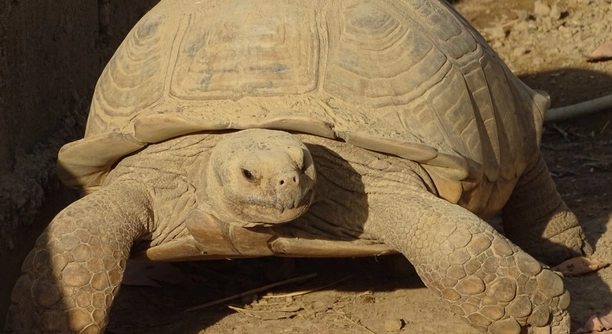
Creating a suitable outdoor enclosure for your Sulcata tortoises requires careful planning. These reptiles need ample space and protection from predators to thrive. The following tips will help ensure a safe and comfortable environment for them.
The best approach to building a DIY outdoor enclosure for Sulcata tortoises involves selecting a spacious area, securing it with sturdy materials, and considering factors such as climate, ventilation, and access to food and water. Proper enclosure design is essential for their well-being.
Setting up the right enclosure is the first step toward providing your tortoises with a healthy habitat.
Choosing the Right Location for Your Sulcata Tortoise Enclosure
When selecting a location for your Sulcata tortoise enclosure, it’s important to find a spot with plenty of sunlight. These tortoises need a warm environment to maintain their health. The enclosure should be placed in a sunny area for most of the day, as it will provide the necessary warmth and natural UV light. Additionally, the location should have some shade available, especially during the hottest parts of the day, so your tortoises can retreat to cool off when needed. Keep in mind that the enclosure should be away from areas that could be too windy or damp, as this can affect the tortoises’ comfort and health.
It’s important to keep predators in mind when choosing the location. Ensure that the area is secure and can’t be easily accessed by animals that could harm your tortoises. A raised fence or other barriers may be necessary to keep them safe from other creatures in the area.
By carefully selecting the right spot, you can ensure that your Sulcata tortoises have the ideal environment to thrive in. The right location will provide them with both the warmth they need and protection from potential threats.
Materials for Building the Enclosure
The materials used for your Sulcata tortoise enclosure should be durable and safe. Wood, metal, or heavy-duty plastic fencing are common options. Ensure that the materials are sturdy enough to withstand the tortoises’ movements and weight.
The right materials also help ensure that the enclosure will last long, providing safety for your tortoises for years to come. Using strong, weather-resistant materials prevents wear and tear caused by harsh outdoor conditions.
Securing the Enclosure
When building an enclosure, securing it properly is crucial to ensure your Sulcata tortoises are safe. Use a strong, secure fence that cannot be easily moved or pushed over. This prevents the tortoises from escaping and keeps predators out. A fence that is at least 3 feet high is ideal for Sulcatas.
To further secure the enclosure, make sure the base is dug into the ground. Tortoises can dig, so a fence that extends a few inches underground helps prevent them from burrowing out. Regularly check for any weak spots, especially after storms, to make sure the enclosure remains secure and intact.
Another important factor is the durability of the materials used. Wood may look good, but it can rot quickly if exposed to moisture. Metal and hard plastic are better choices for long-lasting security. Make sure everything is tightly fitted, with no gaps that could allow your tortoises to escape or predators to get inside.
Providing a Shelter
A proper shelter within the enclosure is essential for your Sulcata tortoises. They need a place to hide from harsh weather conditions and to feel secure. A simple wooden box or hut will work, as long as it provides enough space for them to move around and rest comfortably.
Ensure the shelter is placed in a shaded area to protect the tortoises from the sun during the hottest part of the day. It’s also important to keep the shelter dry to avoid any health issues that may arise from damp conditions. Make sure it has enough ventilation to keep the air fresh.
Adding natural materials, such as hay or straw, can help make the shelter more comfortable for your tortoises. This mimics their natural environment and gives them a place to retreat when they feel stressed or need some alone time.
Creating a Safe, Enclosed Space
Make sure the enclosure is entirely enclosed to prevent escape. Use a sturdy material like welded wire or metal mesh for the sides. Ensure there are no gaps where a tortoise could slip through. The enclosure should be tall enough to discourage climbing.
Check the mesh or wire often for any damage or wear. Over time, the weather can weaken the materials. Inspecting your enclosure regularly is key to keeping it safe. Repair any holes or weak points immediately to avoid any escapes or dangers for your Sulcata tortoises.
Water Supply and Food
Your tortoises need a clean, reliable water source to stay hydrated. Set up a shallow water dish or a small pool that’s easy to access and clean. Keep it filled with fresh water daily.
Along with fresh water, offer a variety of food that suits their diet. Provide hay, leafy greens, and safe vegetables. Be sure to avoid feeding them anything harmful, like lettuce, which can cause digestive issues. A well-rounded diet is vital for their overall health.
Landscaping for Enrichment
Adding natural landscaping will help make your enclosure more stimulating for your tortoises. Planting safe, edible plants like dandelions or clover will encourage foraging and provide a more natural environment.
Include rocks and logs that they can climb or hide under. These features not only enrich their habitat but also provide places for them to seek shelter or shade. Just make sure that any plants or objects you add are safe for tortoises to interact with.
FAQ
How much space does a Sulcata tortoise enclosure need?
Sulcata tortoises need a lot of space to roam and graze. A minimum of 100 square feet is recommended for one tortoise, with an additional 50 square feet for each additional tortoise. They need space to dig, forage, and move freely. The more space, the better, as these tortoises can grow very large and need room to stretch out.
Can Sulcata tortoises live outdoors year-round?
Yes, Sulcata tortoises can live outdoors year-round in areas with warm climates. They need temperatures between 80-95°F during the day and no lower than 50°F at night. If you live in a colder region, you will need to bring them inside during the winter or create a heated shelter within their enclosure.
What kind of fence is best for a Sulcata tortoise enclosure?
A strong, sturdy fence is essential. Welded wire, metal mesh, or wood with a secure, solid structure are good choices. The fence should be at least 3-4 feet tall to prevent the tortoises from climbing out. It should also be buried a few inches into the ground to prevent them from digging under.
Do Sulcata tortoises need a heated shelter?
If you live in a region with colder winters, a heated shelter is necessary to keep your tortoises safe and comfortable. Sulcata tortoises are native to warmer climates, so they cannot handle freezing temperatures. You can use a heat lamp or a ceramic heater to keep the shelter warm during the colder months.
How do I ensure the enclosure is predator-proof?
To keep your Sulcata tortoises safe from predators, make sure the enclosure is completely enclosed. This includes using wire mesh or fencing that animals can’t climb or break through. Check for any gaps that could allow predators in, especially near the ground. It’s also a good idea to bury the fence a few inches into the soil to prevent digging predators from getting in.
What do Sulcata tortoises eat?
Sulcata tortoises are herbivores and eat a variety of grasses, weeds, and leafy greens. You can feed them hay, such as timothy or grass hay, and offer leafy greens like collard greens, mustard greens, and dandelion leaves. Avoid high-protein foods, like lettuce, as they can cause health problems.
How can I keep my Sulcata tortoises hydrated?
Ensure your tortoises always have access to fresh water. You can provide a shallow water dish, a small pond, or a shallow pool that’s easy to clean. In addition to fresh water, you can mist the enclosure to maintain humidity levels, especially in dry climates.
Should I provide a shelter in the enclosure?
Yes, providing a shelter is important. Sulcata tortoises need a place to hide from the sun and to feel secure. A simple wooden shelter or hut works well, as long as it’s big enough for them to move around inside. It should be placed in a shaded area to keep them cool during the hottest parts of the day.
How often do I need to clean the enclosure?
Cleaning the enclosure is essential for the health of your tortoises. Remove uneaten food, droppings, and debris daily. You should also disinfect the shelter and water dish weekly to prevent the growth of harmful bacteria. Once a month, do a deeper cleaning, including scrubbing the walls and flooring of the enclosure.
What should I use for bedding in the enclosure?
Avoid using sand or gravel as bedding since these can cause digestion problems if ingested. Instead, use materials like straw, hay, or grass. These provide a comfortable and safe surface for the tortoises to walk on and burrow into. Ensure the bedding is dry to prevent any health issues.
Can Sulcata tortoises be housed with other animals?
It’s not recommended to house Sulcata tortoises with other species, as they can be territorial and may become stressed or aggressive. It’s best to keep them in a separate enclosure to avoid any potential conflicts or health risks.
How do I maintain the right temperature for my tortoises?
Ensure the enclosure is placed in a sunny area to provide natural warmth. During the colder months, consider using heat lamps or ceramic heaters to maintain the proper temperature. Keep the daytime temperature between 80-95°F, and make sure the nighttime temperature doesn’t drop below 50°F.
Are Sulcata tortoises active at night?
Sulcata tortoises are diurnal, meaning they are active during the day and rest at night. At night, they usually seek shelter to sleep. During the day, they will explore their enclosure, forage for food, and bask in the sun to regulate their body temperature.
How long do Sulcata tortoises live?
Sulcata tortoises are known for their long lifespan. They can live up to 70 years or longer with proper care. Providing them with the right environment and diet will help them live a long and healthy life.
What should I do if my Sulcata tortoise escapes?
If your Sulcata tortoise escapes, search the surrounding area immediately. They can’t move very fast, so they are often easy to find within a short distance. Once found, check the enclosure for any gaps or weak spots that need to be fixed. It’s important to make any necessary repairs right away to prevent further escapes.
Can Sulcata tortoises climb fences?
Sulcata tortoises are not natural climbers, but they can still climb small fences or obstacles if they are not tall enough. This is why it’s essential to have a fence that is at least 3-4 feet tall. Check for any objects or rocks near the fence that could help your tortoises climb.
Building a DIY outdoor enclosure for Sulcata tortoises is a rewarding project that provides them with a safe and comfortable space to thrive. These tortoises need ample room to roam, so having an enclosure that accommodates their size and behavior is essential for their well-being. A proper setup ensures they have enough space to graze, dig, and soak up the sun, which is crucial for their health. Whether you live in a warm climate or need to make adjustments for colder weather, planning and constructing a durable, secure enclosure is key. The effort put into creating a suitable home will contribute to their long-term happiness and longevity.
When planning the enclosure, keep in mind that it should meet the specific needs of Sulcata tortoises. Proper fencing, space, and temperature control are important factors to consider. The enclosure should be large enough to allow your tortoises to move freely, with sturdy fencing to prevent escape or intrusion from predators. Additionally, ensuring the shelter is weather-resistant and offers protection from both the sun and cold temperatures is essential for their comfort. A heated shelter may be necessary in cooler climates to protect them during the winter months. By addressing these needs, you create an environment that supports their natural behavior and health.
Building a safe and effective outdoor enclosure takes time, but the benefits far outweigh the effort. Providing Sulcata tortoises with a space that mimics their natural habitat helps promote a healthier lifestyle, allowing them to express natural behaviors. A well-maintained enclosure not only supports their physical health but also keeps them mentally stimulated. Regular care and monitoring of the enclosure will ensure it remains safe and functional for your tortoises. With the right approach, your tortoises will enjoy a happy, active life for many years to come.

Hello,
If you enjoy the content that we create, please consider saying a "Thank You!" by leaving a tip.
Every little bit helps us continue crafting quality advice that supports the health, happiness, and well-being of pets around the world, for pets of all shapes, sizes, and species.
We really appreciate the kindness and support that you show us!