
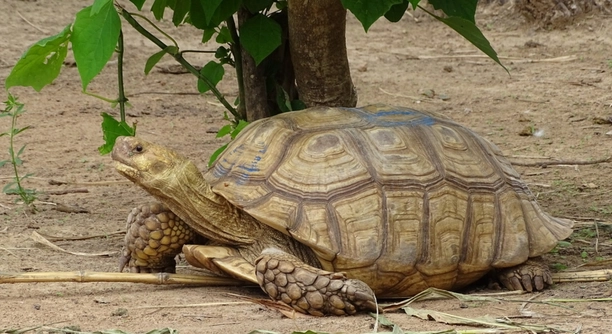
If your sulcata tortoise is pacing nonstop, it can be a concerning behavior. Understanding the reasons behind this activity can help you provide the best care and ensure your tortoise remains happy and healthy.
Pacing in sulcata tortoises is often linked to environmental stress, lack of stimulation, or health concerns. They may pace to seek out food, water, or a more comfortable habitat. Proper care and attention can help resolve the issue.
There are several factors that can lead to nonstop pacing, and addressing them can improve your tortoise’s quality of life. Keep reading to explore what might be causing this behavior and how to create a better environment for your tortoise.
Lack of Space to Roam
If your sulcata tortoise is pacing, the size of their enclosure could be a major factor. These tortoises need plenty of space to roam and explore, as they are naturally used to traveling long distances. A small or cramped habitat can make them feel trapped and stressed, leading to constant movement. Ensuring your tortoise has a large enough area to roam freely is key to reducing this behavior. Aim for a minimum of 100 square feet for a single adult tortoise, and make sure the space is enriched with hiding spots and obstacles to encourage natural movement.
A tortoise’s environment should feel like a safe haven. If it’s too restrictive, it may drive them to pace endlessly in search of more room.
Without enough space, your tortoise may grow frustrated, which can lead to more pacing and even other health issues. Make sure your tortoise has room to move around without feeling boxed in. If they seem too restless, consider expanding their living area or using outdoor enclosures if possible. A bigger space will make a noticeable difference in their behavior.
Temperature and Lighting Problems
Your sulcata tortoise’s behavior may also be a result of improper temperature or lighting. Tortoises rely on heat and UVB light to regulate their body temperature and aid in digestion. If their habitat is too cold, or if they aren’t getting enough UVB exposure, they may pace as a sign of discomfort. It’s essential to maintain a temperature gradient in their enclosure, with a warm basking area and a cooler zone to provide them with options.
Without the right temperature and lighting, they could become stressed, making pacing more frequent.
A sulcata tortoise’s activity level is greatly influenced by its environment’s temperature. A basking area should be around 95°F, with cooler areas between 75°F and 85°F. UVB lighting should be provided for 10-12 hours a day to help with their metabolic processes. Without these conditions, your tortoise may pace, trying to find the warmth or light it craves. Over time, improper temperatures and lighting can also lead to health issues like shell deformities or metabolic bone disease. If your tortoise is pacing, check the setup for temperature and lighting concerns, and adjust accordingly.
Lack of Enrichment
A sulcata tortoise will often pace if its environment lacks stimulation. These tortoises need both mental and physical enrichment to stay engaged. Without enrichment, they may wander aimlessly, trying to find something interesting to do. Adding natural elements like plants, rocks, and logs can keep them occupied.
Adding these elements encourages natural behaviors and prevents boredom. By placing obstacles around their space, you help create a more dynamic environment. A tortoise that’s constantly pacing may simply be looking for something new to engage with. Providing a variety of textures and hiding spots can also make the space more enjoyable for them.
Enrichment is more than just physical objects. A proper routine with regular feeding, water changes, and occasional outdoor time can provide mental stimulation as well. Varying the type of food and hiding it in different areas can encourage foraging behaviors, which adds another layer of interaction. Keeping your tortoise busy with different activities can help reduce pacing and improve overall well-being.
Health Issues
If your tortoise is pacing constantly, it may be trying to signal discomfort due to an underlying health issue. Conditions such as respiratory infections, digestive problems, or even dehydration can cause restlessness and pacing. These health issues should be addressed immediately.
Tortoises pace when they feel unwell, and ignoring health problems can lead to more serious issues. Respiratory infections, for example, can cause labored breathing, which may prompt your tortoise to move around more in an attempt to feel better. Digestive issues might cause discomfort, making the tortoise pace as it searches for relief. Dehydration can also make them feel sluggish or distressed. If you suspect a health issue, a visit to the vet is crucial.
A check-up can rule out potential medical conditions. Ensure your tortoise has access to clean water at all times, and watch for any changes in its eating habits or behavior. Sometimes pacing is simply a sign that something is wrong physically, and resolving the issue will help your tortoise feel more at ease. If the pacing continues, it’s important to get expert advice from a veterinarian.
Stress or Anxiety
Stress is a common reason for pacing in sulcata tortoises. Changes in their environment, like moving to a new space or being around loud noises, can cause anxiety. The pacing may be an attempt to escape the source of stress or to find comfort.
If a tortoise feels stressed, it may show other signs such as hiding or being less active. Sudden changes in routine or environment can overwhelm them. Keeping their habitat consistent and quiet can help minimize stress. If your tortoise is pacing nonstop, consider whether recent changes in its surroundings might be causing anxiety.
By creating a calm and predictable environment, you’ll reduce the chances of stress. Providing hiding spots and quiet spaces also helps them feel secure. A routine that includes regular feeding times and gentle handling can also help your tortoise feel more at ease.
Mating Behavior
Pacing in sulcata tortoises may also be a sign of mating behavior. Male tortoises, in particular, will pace in search of females during mating season. This is a natural response to the instinct to find a mate.
During mating season, male tortoises may show more active and persistent behavior. They may move around constantly, trying to find a female or even competing with other males. This behavior typically increases during certain times of the year. If your tortoise is pacing more than usual, it could be related to natural breeding instincts.
Understanding this natural behavior can help you monitor your tortoise’s health and ensure that any pacing isn’t due to something more concerning.
Improper Diet
An improper diet can lead to pacing in sulcata tortoises. If they’re not receiving the right balance of nutrients, they may pace as they search for food or try to satisfy hunger. Poor nutrition can also lead to other health problems.
A diet that’s too low in fiber or calcium can cause issues for your tortoise, leaving them restless. Ensure your tortoise has access to fresh, high-fiber grass and leafy greens. Supplementing with calcium and vitamin D3 can also help maintain bone health. If your tortoise seems to be pacing or acting anxious around food, it may need a dietary adjustment.
Improper feeding may also result in digestive issues, further contributing to their restless behavior. By offering a varied and balanced diet, you can help reduce the pacing and improve overall health.
FAQ
Why is my sulcata tortoise pacing so much?
Pacing in sulcata tortoises is often a sign of stress, discomfort, or a need for more space. If your tortoise has been moving around more than usual, it could be trying to find food, water, or a better spot to rest. Environmental factors like small enclosures, improper temperature, or a lack of enrichment can also lead to this behavior. It’s essential to assess the conditions in your tortoise’s environment and make necessary changes to ensure it feels safe and comfortable.
How do I know if my tortoise is pacing due to stress?
If your tortoise is pacing due to stress, it may show other signs like hiding, eating less, or acting more reclusive. Stress can come from sudden changes in the environment, loud noises, or even the presence of other animals. A stressed tortoise will likely try to escape or seek shelter. To reduce stress, try to maintain a calm and predictable environment, and avoid unnecessary changes. Providing hiding spots and giving your tortoise time to adjust to new surroundings can help alleviate anxiety.
Can improper lighting and temperature cause pacing?
Yes, improper lighting and temperature can cause your tortoise to pace. Sulcata tortoises need a proper temperature gradient with a basking area around 95°F and cooler areas between 75°F and 85°F. They also require UVB lighting for proper calcium absorption. If your tortoise is too cold or not getting enough light, it may become restless and pace in search of warmth or proper lighting. Check that your enclosure has both the correct temperature and UVB light to keep your tortoise comfortable.
What should I do if my tortoise is pacing and seems sick?
If your tortoise is pacing and showing other signs of illness, such as loss of appetite, lethargy, or labored breathing, it’s crucial to get it checked by a vet. Illnesses such as respiratory infections or digestive issues can lead to discomfort, causing your tortoise to pace. Ensure that it has access to clean water, proper food, and the correct temperature. A vet can help diagnose the issue and provide the necessary treatment to get your tortoise feeling better.
Can I prevent my tortoise from pacing?
Yes, pacing can be reduced with a few simple adjustments. First, make sure your tortoise has enough space to roam and explore. A cramped environment can cause frustration and stress. Second, provide enrichment, such as plants, rocks, and hiding spots to encourage natural behaviors. Third, check the temperature and lighting to ensure they are within the proper range for your tortoise’s needs. Lastly, ensure your tortoise’s diet is balanced and includes the right nutrients to keep it healthy and satisfied.
Why does my male sulcata tortoise pace more than the females?
Male sulcata tortoises often pace more than females, especially during mating season. Males are instinctively driven to search for mates, which leads to more active behaviors, including pacing. This is completely natural and not a sign of any underlying issue. If the pacing is excessive or happening year-round, it may indicate that there’s something wrong in their environment. However, during mating season, expect some increase in this behavior.
Can pacing be a sign of dehydration in my tortoise?
Yes, dehydration can lead to pacing in tortoises. If a tortoise doesn’t have access to fresh water or isn’t drinking enough, it may become restless. Dehydration can also lead to other issues, such as lethargy or a lack of appetite. Make sure your tortoise has access to clean, fresh water at all times. Also, offering water-rich vegetables like cucumbers or leafy greens can help keep your tortoise hydrated.
How often should I check on my tortoise if it’s pacing?
If your tortoise is pacing, it’s important to observe it regularly. Check its habitat for any potential stressors, such as changes in temperature, lighting, or food availability. If the pacing continues or becomes worse, consider a vet visit to rule out health concerns. Regularly check its diet, water, and overall environment to make sure everything is in good condition.
What is the best diet for a sulcata tortoise to prevent pacing?
A sulcata tortoise’s diet should consist primarily of high-fiber grasses, hay, and leafy greens. Avoid giving too many fruits or high-protein foods, as these can lead to digestive issues or health problems. A well-balanced diet with plenty of fiber helps keep your tortoise’s digestive system working properly, preventing discomfort that may lead to pacing. Additionally, provide calcium supplements and ensure proper UVB lighting to aid in absorption and bone health.
Is it normal for my tortoise to pace in the evening or at night?
While some pacing is normal during the day, your tortoise may pace more at night if it feels like it’s not receiving enough heat or light. If the temperature drops too low, it may seek warmth. If this happens, check the nighttime temperature and ensure there’s a heat source available to keep your tortoise comfortable. If the pacing is excessive during the night, it could be a sign that something in its environment is off balance.
What if my tortoise stops pacing suddenly?
A sudden stop in pacing can indicate that your tortoise has found a source of comfort, whether it’s a better environment, food, or water. However, if the pacing is replaced by lethargy or other abnormal behavior, it might suggest illness or an environmental change that’s affecting your tortoise’s health. Monitor the tortoise closely to see if it resumes normal activity or if you need to seek help from a vet.
In conclusion, pacing in sulcata tortoises can be a sign of several different factors, ranging from environmental issues to health problems. It’s essential to carefully assess your tortoise’s habitat and health to figure out what might be causing the behavior. Small changes to the living environment, such as increasing space, adjusting the temperature, or adding enrichment, can help reduce pacing. Ensuring that the habitat is set up properly is one of the first steps you can take toward providing a more comfortable environment for your tortoise.
Additionally, always keep an eye on your tortoise’s diet and hydration. A well-balanced, high-fiber diet is essential to prevent digestive problems that may cause restlessness or discomfort. Tortoises can be very sensitive to changes in their routine, so consistency is important. Make sure to offer fresh water regularly and ensure your tortoise has access to the proper nutrients and vitamins to keep it healthy. Sometimes pacing is a sign that something in its diet needs adjustment, and paying attention to these details can help improve your tortoise’s well-being.
Lastly, remember that pacing can sometimes be a natural behavior, especially if it’s linked to mating instincts or simple curiosity. It’s important to observe your tortoise’s overall behavior and see if the pacing continues over time or if it eventually decreases. However, if pacing is accompanied by signs of illness, like loss of appetite or labored breathing, it’s crucial to consult with a vet. Your tortoise’s health and happiness depend on a well-maintained environment and proper care, so taking the time to address any concerns will help ensure a long, healthy life for your sulcata tortoise.

Hello,
If you enjoy the content that we create, please consider saying a "Thank You!" by leaving a tip.
Every little bit helps us continue crafting quality advice that supports the health, happiness, and well-being of pets around the world, for pets of all shapes, sizes, and species.
We really appreciate the kindness and support that you show us!