
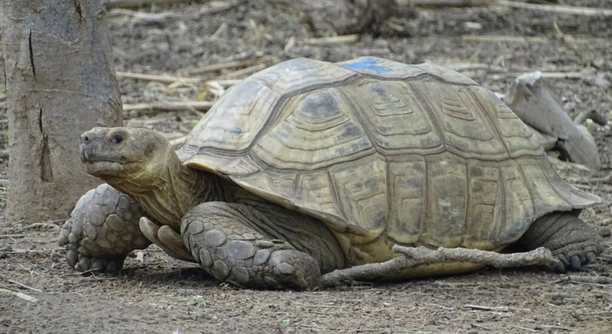
Many tortoise owners have noticed their Sulcata tortoise isn’t growing as expected. While it may seem like a small issue, there could be underlying factors affecting its growth and development. Understanding these reasons is important.
A Sulcata tortoise may not grow properly due to inadequate nutrition, improper habitat conditions, or health problems. Ensuring a balanced diet, the right temperature, and regular vet check-ups can help prevent these growth issues and promote healthy development.
By identifying potential causes and making necessary changes, you can help your tortoise reach its full growth potential. Understanding these factors is essential for providing the best care possible.
Inadequate Diet
One of the main reasons your Sulcata tortoise isn’t growing properly might be an unbalanced diet. These tortoises require a variety of fresh grasses, hay, and a small amount of leafy greens. Without enough fiber or essential nutrients, their growth can slow down significantly. Sulcatas are herbivores, so their diet must be rich in calcium, phosphorus, and other vitamins to support healthy shell growth and overall development. Feeding them too much fruit or a diet that’s too rich in protein can also harm their growth. It’s essential to replicate their natural diet as closely as possible to encourage proper growth.
A proper diet is key to your tortoise’s growth. It helps with shell development, energy, and overall health.
If you’re unsure what to feed your Sulcata tortoise, research the ideal grasses and plants for them, or consult with a vet. Supplementing their meals with calcium or vitamin D3 might be necessary, especially if they’re not getting enough from their food. Avoid overfeeding high-protein foods like lettuce, as it can lead to kidney damage and slow growth. Remember that variety is important. Consistently offering fresh food helps prevent nutritional deficiencies. Inadequate food intake or the wrong types of food will prevent your tortoise from growing as it should.
Temperature and Habitat
Sulcata tortoises need a warm and stable environment.
If your tortoise’s habitat is too cold or inconsistent in temperature, it can directly affect its growth. A proper basking spot should be set around 95-100°F, with cooler areas around 75°F. The environment influences digestion and overall health, so keeping the habitat within the right temperature range is critical for growth. Regular monitoring of temperature and humidity levels is essential for their well-being.
Proper lighting, including UVB rays, is also crucial. These rays help your tortoise absorb calcium, which is necessary for shell growth. Without enough exposure to UVB, your tortoise’s shell can become soft, and it may struggle to grow properly. Providing both heat and UVB light in the enclosure ensures your tortoise receives all the environmental factors it needs to thrive. Furthermore, a clean and spacious habitat gives your tortoise the freedom to move around and stay active, supporting its growth. Make sure to adjust your tortoise’s habitat based on the seasons to maintain the right conditions.
Health Problems
If your Sulcata tortoise isn’t growing well, it could be due to underlying health issues. Parasites, metabolic bone disease, or respiratory infections can hinder growth. Regular vet check-ups are crucial for early detection. Addressing these health problems early on ensures your tortoise has the best chance of growing properly.
Metabolic bone disease is a common issue with Sulcatas that can be caused by inadequate calcium or UVB exposure. This disease can lead to deformities and stunt growth. If your tortoise is not growing as expected, take it to a vet to rule out any health conditions. Similarly, parasites can impact your tortoise’s ability to absorb nutrients, leading to stunted growth. If your tortoise shows signs like lethargy, difficulty moving, or lack of appetite, a vet will likely suggest tests to check for parasites or infections.
Untreated health issues, like respiratory infections, can also slow down a tortoise’s growth. These infections are often caused by poor habitat conditions, like improper temperature or humidity levels. A vet can help treat infections and get your tortoise back on track for healthy growth.
Insufficient Space
A cramped living space can negatively impact your Sulcata tortoise’s growth.
Sulcatas grow large and need plenty of room to move around. If your tortoise’s habitat is too small, it can limit its activity levels and stunt growth. Space is essential for physical development and health. A tortoise that doesn’t have enough room to roam and exercise won’t thrive like one in a larger, more natural habitat.
Sulcatas in the wild roam vast areas, so it’s important to replicate that environment in captivity. Providing a larger enclosure allows your tortoise to explore and engage in natural behaviors. If your tortoise is confined to a small space, it can also lead to stress, which affects both appetite and growth. Stress is a significant factor that can cause a decrease in a tortoise’s overall health.
A spacious outdoor enclosure can help ensure your Sulcata tortoise grows properly. If space indoors is limited, creating an outdoor pen with appropriate fencing will give your tortoise the space it needs to grow. Even in an outdoor environment, you should provide protection from predators and shelter from extreme weather conditions. A well-planned space ensures your tortoise will be active, healthy, and able to reach its full size.
Dehydration
If your Sulcata tortoise is not growing, dehydration could be a factor. These tortoises need access to fresh water at all times to stay hydrated and healthy. Dehydration can lead to slow growth, shell deformities, and digestive issues.
Make sure your tortoise has a shallow water dish to drink from regularly. It’s also a good idea to mist your tortoise occasionally to keep its skin hydrated, especially in dry environments. Be sure that the water dish is always clean and filled with fresh water. Avoid letting the water sit too long to prevent bacterial growth.
Dehydration can cause long-term problems for your tortoise, so monitoring its water intake is important. If you notice signs of dehydration, like sunken eyes or a dry, flaky shell, address it immediately by increasing its water intake and checking for underlying health issues.
Lack of Exercise
Sulcatas need room to move around and exercise.
If your tortoise is kept in an enclosure without enough space, it won’t get the physical activity it needs. Regular movement is essential for proper growth and shell development. Without exercise, a tortoise can become lethargic and experience stunted growth. It also affects muscle tone, leading to further health problems.
Age and Genetics
Growth rates vary depending on the tortoise’s age and genetic factors.
Younger Sulcatas grow rapidly, but this slows down with age. Genetics also play a role in how quickly a tortoise reaches its full size. Some tortoises may have a slower growth rate than others, even with ideal conditions. Understanding this can help set realistic expectations.
FAQ
How fast should my Sulcata tortoise grow?
Sulcata tortoises typically grow quite quickly during their first few years. A healthy Sulcata can grow anywhere from 4 to 6 inches per year, depending on diet, environment, and genetics. However, growth slows significantly after they reach about 5 years of age. By the time they are 10 years old, they may have reached over 20 inches in length, but growth will continue at a slower pace. The size they reach as adults can vary, but most Sulcatas can grow up to 30 inches and weigh 100 pounds or more.
What should I feed my Sulcata tortoise for optimal growth?
To ensure your Sulcata tortoise grows properly, offer a diet rich in fiber and low in protein. Their diet should consist mainly of grasses and hay, with occasional leafy greens like collard greens or dandelion. Avoid feeding them too much fruit or high-protein foods like lettuce, as this can cause health issues. You can also provide calcium supplements to support healthy shell growth, especially if they are not getting enough from their food. Fresh water should always be available, and the diet should be varied to prevent nutritional deficiencies.
Can I keep my Sulcata tortoise in a small enclosure?
Sulcata tortoises need space to roam, and keeping them in a small enclosure will stunt their growth. They can grow very large, so it’s important to provide an enclosure that allows for regular movement. For indoor enclosures, at least 8 feet by 4 feet is recommended for an adult. Outdoors, you can provide an even larger space, like a fenced-off yard. A larger space will also reduce stress and help keep your tortoise active, both of which are crucial for healthy growth.
What temperature should I keep my Sulcata tortoise’s habitat?
Sulcata tortoises thrive in warm temperatures. They need a basking spot with temperatures between 95-100°F, and a cooler area in the range of 75-80°F. Maintaining consistent temperatures is key, as fluctuating or too-cold temperatures can affect your tortoise’s health and growth. It’s also essential to provide UVB lighting to help with calcium absorption. If you live in a colder climate, consider providing a heated enclosure to maintain the proper environment.
Why is my Sulcata tortoise not eating?
If your Sulcata tortoise isn’t eating, it could be due to a number of reasons. Check the temperature and humidity of its habitat, as improper conditions can cause stress and loss of appetite. Make sure the diet is varied and appropriate for their needs. Dehydration is another common cause of appetite loss, so always ensure fresh water is available. If your tortoise continues to refuse food, consider a visit to the vet, as it may indicate a health issue such as parasites or an infection.
How often should I take my Sulcata tortoise to the vet?
It’s a good idea to take your Sulcata tortoise to the vet at least once a year for a check-up. During these visits, a vet can assess your tortoise’s overall health, check for parasites, and confirm that its shell and growth are on track. If you notice any signs of illness, such as lethargy, weight loss, or shell issues, it’s best to take them to the vet sooner. Regular check-ups help catch potential problems early, ensuring your tortoise remains healthy and continues to grow properly.
Can I let my Sulcata tortoise roam around outside?
Yes, Sulcata tortoises can be allowed to roam outside, but it’s important to make sure the area is safe. Your tortoise will benefit from the natural sunlight, which provides UVB rays for proper calcium absorption. The outdoor space should be securely fenced to prevent your tortoise from escaping or being preyed upon by animals. Also, be mindful of the weather. Sulcatas should not be kept outside in extremely cold or wet conditions, as they are native to hot, dry climates. Supervise your tortoise outdoors to make sure it stays safe.
How do I know if my Sulcata tortoise is growing properly?
To track your Sulcata tortoise’s growth, monitor its size regularly by measuring its length and weight. Healthy growth should be steady, with noticeable increases in size each year. Keep an eye on its shell for any signs of deformities or softening, as these can indicate growth issues or malnutrition. Regularly assess your tortoise’s activity levels and appetite; if either is unusually low, it may signal that something is wrong. If you notice any abnormalities, it’s important to consult with a vet to rule out health issues.
Is it normal for my Sulcata tortoise to be inactive sometimes?
Sulcata tortoises can be less active during colder months or during the night when they naturally rest. However, if your tortoise is unusually inactive for an extended period, it could be a sign of stress or illness. Ensure your tortoise has the right temperature and lighting to stay active and healthy. If inactivity continues for more than a few days, it’s a good idea to have your tortoise checked by a vet. Stress factors such as inadequate space or poor diet can also cause your tortoise to become lethargic.
Why is my Sulcata tortoise’s shell soft?
A soft shell can be a sign of metabolic bone disease, which often occurs from inadequate calcium intake or lack of UVB exposure. Ensure your tortoise’s diet is rich in calcium and that it receives proper UVB lighting. This condition can be dangerous and lead to permanent shell damage if not addressed early. If your tortoise has a soft shell, consult a vet for advice and treatment. Correcting the diet and providing the right environment will usually improve the condition over time.
Caring for a Sulcata tortoise requires attention to detail and patience. These tortoises are unique creatures with specific needs, and understanding these needs is essential to their growth and overall health. Ensuring they have the right diet, enough space, proper temperatures, and regular veterinary care will help them grow properly and live a long, healthy life. When one of these factors is off, it can affect their development and well-being, which is why it’s important to keep an eye on their behavior and growth patterns.
If you’ve noticed your Sulcata tortoise isn’t growing as expected, it’s worth considering all aspects of its environment and care routine. Sometimes the solution is simple, like adjusting the diet or increasing their space. Other times, it could be a sign of health problems, and getting your tortoise checked by a vet can help identify any issues. Regular health check-ups are crucial, as they can catch problems early before they become serious. Early intervention can make a big difference in your tortoise’s ability to recover and continue growing.
In the end, the most important thing is to provide your Sulcata tortoise with the right environment, proper nutrition, and plenty of space to grow and thrive. With a little care and attention, your tortoise will reach its full potential. Growth may take time, but if you address the common causes of slow growth and ensure a balanced, stable environment, your tortoise will likely show improvement. Whether you’re a first-time owner or someone who has had a tortoise for a while, being consistent with care will help your Sulcata grow up healthy and happy.

Hello,
If you enjoy the content that we create, please consider saying a "Thank You!" by leaving a tip.
Every little bit helps us continue crafting quality advice that supports the health, happiness, and well-being of pets around the world, for pets of all shapes, sizes, and species.
We really appreciate the kindness and support that you show us!