
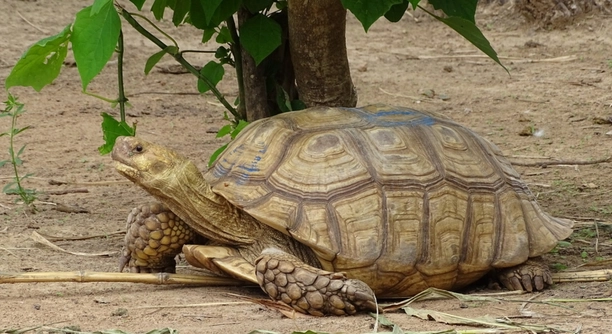
Sulcata tortoises are known for their calm nature, but they can experience stress, which can affect their health. Understanding what triggers this stress is important for keeping them happy and healthy in your care.
Several factors can cause stress in Sulcata tortoises, including environmental changes, inadequate diet, lack of space, improper humidity levels, handling, noisy surroundings, and poor lighting. Identifying and managing these stressors is key to their well-being.
Taking the time to learn about these stress triggers will help you create a more comfortable environment for your tortoise.
Environmental Changes
Sulcata tortoises are highly sensitive to environmental shifts. Moving them to a new habitat or changing the layout of their enclosure can cause them stress. They thrive in stable conditions, so sudden changes in temperature, humidity, or lighting can have a negative impact on their health. A sudden drop or increase in temperature is particularly troubling, as it disrupts their ability to regulate their body heat.
Providing a consistent environment helps your tortoise feel secure. Keep the temperature in the proper range (85-95°F during the day) and maintain a nighttime drop to 70-75°F. Humidity should be kept at around 50-60%, and UVB lighting is important for their shell and bone health. If you do need to make changes, do so gradually, allowing your tortoise to adjust slowly.
Creating a stable habitat, where temperature, humidity, and lighting are constant, is essential. The less your Sulcata tortoise experiences drastic changes, the less stressed it will feel. This will help ensure a happier, healthier pet.
Improper Diet
An improper diet can also lead to stress. If your tortoise is not receiving the right balance of nutrients, it can affect its health and mood. Overfeeding or underfeeding can both be stressful.
A proper diet for a Sulcata tortoise includes plenty of grasses, hay, and high-fiber plants. Leafy greens, like dandelion and collard greens, are excellent. Avoid feeding them too many fruits or vegetables that are high in sugar, as this can lead to digestive issues. They need calcium and vitamin D3 for shell growth and bone health, which should be provided through supplements or natural sunlight.
Having a diet tailored to their specific needs can help prevent stress, ensuring that your tortoise stays healthy and content.
Lack of Space
Sulcata tortoises need plenty of room to roam. A cramped enclosure can cause them stress, affecting their health. They are naturally large and active, and not having enough space can lead to frustration.
Providing enough space is essential for their mental and physical well-being. A small enclosure can cause your tortoise to feel confined and anxious. Ideally, a Sulcata should have an area of at least 100 square feet to move around in, but the more space, the better. Having both indoor and outdoor areas for exploration is even better.
Be mindful of the size of the enclosure and ensure it provides room for your tortoise to stretch, walk, and dig. The more freedom they have, the less stressed they will be. Keeping a tortoise in a tight space for long periods may lead to behavioral issues and even health problems.
Noisy Surroundings
Excessive noise can be a major stressor for Sulcata tortoises. Loud sounds can disturb them, making them feel unsafe or uneasy in their habitat. Unlike other pets, tortoises do not adapt well to noisy environments.
To minimize stress, ensure their habitat is in a quiet area. Avoid placing their enclosure near televisions, radios, or busy household areas. Tortoises are more sensitive than you might think, and even background noise can disrupt their calm state. Try to maintain a peaceful setting where they can rest undisturbed.
While it’s impossible to create a completely silent environment, reducing unnecessary noise levels can go a long way in easing your tortoise’s stress. A calm atmosphere helps them feel secure, allowing them to thrive in their environment. The quieter their surroundings, the more relaxed your Sulcata will be.
Improper Humidity Levels
Sulcata tortoises are sensitive to humidity changes. Low humidity can cause skin and respiratory issues, while high humidity can lead to fungal infections or shell problems. It’s crucial to maintain the right level to keep your tortoise comfortable and healthy.
Humidity should be kept between 50-60% in the enclosure. You can use a humidity gauge to monitor it and a misting system or shallow water dish to regulate it. Too much humidity can be just as harmful as too little, so balancing it properly is key for your tortoise’s well-being.
Ensure the humidity is consistent, especially in their sleeping area, where they may need higher levels for proper hydration and skin care. Adjust the environment when necessary to maintain a comfortable balance for them.
Handling
Handling your Sulcata tortoise too much can cause stress. They are not like other pets that enjoy constant attention, and frequent handling can make them feel unsafe.
They prefer to move at their own pace, and constant interference disrupts their routine. Limit handling to only necessary moments, such as during cleaning or health checkups. Overhandling can lead to your tortoise becoming anxious, affecting its health and overall mood. Allow them the space and time they need to feel secure in their environment.
FAQ
What is the ideal temperature for a Sulcata tortoise?
The ideal temperature for a Sulcata tortoise should be between 85-95°F during the day. At night, the temperature can drop to around 70-75°F. It’s important to provide a temperature gradient in their enclosure, so they can move to warmer or cooler areas depending on their needs. Using heat lamps, heat pads, or ceramic heaters can help maintain a stable environment. A thermometer is essential to ensure the temperature stays within the safe range for your tortoise. Extreme fluctuations can cause stress and health issues.
Can Sulcata tortoises live in small enclosures?
Sulcata tortoises require a lot of space to thrive. A small enclosure will not provide the room they need to roam, which can lead to stress, obesity, and poor shell development. The minimum recommended space is around 100 square feet, but more room is always better. If you’re keeping your tortoise indoors, make sure they have plenty of room to walk around, bask in the heat, and explore. An outdoor area with safe fencing for them to roam freely is ideal. A larger space will keep your tortoise healthy and happy.
How often should I feed my Sulcata tortoise?
You should feed your Sulcata tortoise every day, but their diet should mostly consist of high-fiber grasses and hay. Leafy greens such as dandelion greens, collard greens, and turnip greens are also great choices. Avoid giving them too much fruit or vegetables high in sugar, as it can cause digestive issues. For younger tortoises, you can feed them daily, while adult tortoises typically eat every other day. It’s important to provide food that mimics their natural diet to prevent health problems. A constant supply of fresh water should always be available.
Why does my Sulcata tortoise hide?
Sulcata tortoises may hide if they feel stressed or unsafe. They are prey animals by nature and may seek shelter when they feel threatened. It’s important to ensure their habitat is quiet, calm, and safe from loud noises or disruptions. If your tortoise is hiding frequently, check for environmental factors such as excessive heat or cold, or if it feels overcrowded in its space. Hiding can also be a sign of illness or discomfort, so monitor your tortoise’s health and behavior. If the hiding continues, a vet check-up may be needed to rule out any health concerns.
How do I keep my Sulcata tortoise healthy?
Maintaining a healthy Sulcata tortoise involves providing a stable environment, a proper diet, and regular care. Make sure their enclosure has the right temperature, humidity, and UVB lighting. Offer a diet rich in grasses, hay, and leafy greens. Ensure your tortoise gets enough calcium and vitamin D3 for shell and bone health. Also, provide fresh water daily. Avoid overfeeding and be cautious with treats like fruit or vegetables. Regularly check for signs of illness such as a lack of appetite, changes in behavior, or difficulty moving. If you notice anything unusual, consult a veterinarian.
How can I tell if my Sulcata tortoise is stressed?
Stress in Sulcata tortoises can show up in a few ways. They may become less active, refuse to eat, or hide more than usual. Their shell could show signs of damage, such as cracks or discoloration, from prolonged stress. If your tortoise is constantly trying to escape its enclosure or exhibits abnormal behavior, it could be an indication of stress. Changes in eating or drinking habits are also common signs of distress. Always check the environment for any factors that may be causing stress, like temperature, humidity, or noise, and adjust accordingly.
What should I do if my Sulcata tortoise is sick?
If you notice signs of illness, such as lethargy, lack of appetite, or abnormal behavior, it’s best to take your tortoise to a reptile vet as soon as possible. Common signs of illness in Sulcata tortoises include respiratory issues, eye discharge, and shell problems. A vet will be able to diagnose the problem and recommend treatment. Do not attempt to self-diagnose or treat the illness without professional advice, as it can make things worse. Keep your tortoise’s environment clean and comfortable in the meantime, and avoid handling it too much to reduce additional stress.
Can Sulcata tortoises live with other animals?
Sulcata tortoises are generally solitary animals and may not get along with other pets, especially in a confined space. While they can be housed with other tortoises of the same species if space allows, introducing other animals, such as dogs, cats, or other reptiles, could cause stress or even injury to your tortoise. If you do keep them with other animals, ensure there is enough room and the animals cannot disturb each other. It’s always better to keep Sulcata tortoises in their own separate space to avoid conflicts.
Do Sulcata tortoises need UVB light?
Yes, Sulcata tortoises need UVB light to help them absorb calcium and maintain healthy bones and shells. In the wild, they get UVB exposure from the sun, but if kept indoors, a UVB lamp is necessary. The lamp should be placed within 12 inches of the tortoise’s basking area and should be replaced every 6 months since the UVB rays degrade over time. Without proper UVB lighting, your tortoise may develop metabolic bone disease, leading to weakened bones and shell deformities. Make sure your tortoise gets the right amount of UVB exposure daily.
How can I help my Sulcata tortoise shed its skin?
Sulcata tortoises, like other reptiles, shed their skin as they grow. If your tortoise is not shedding properly, it could be due to low humidity levels or inadequate diet. Increasing humidity in the enclosure can help with the shedding process. Providing a shallow water dish and occasionally misting the enclosure can also aid in skin shedding. Make sure your tortoise is getting enough calcium and vitamins, as a lack of nutrients can also affect the shedding process. If shedding issues persist, consult a vet to ensure there are no underlying health problems.
Final Thoughts
Taking care of a Sulcata tortoise requires attention to detail and an understanding of their specific needs. They may seem like low-maintenance pets, but in reality, they thrive in stable environments that meet their dietary, space, and environmental requirements. With the right care, Sulcata tortoises can live for many years, becoming a rewarding pet. Ensuring their enclosure is large enough, maintaining the right temperature, humidity, and providing proper UVB lighting are all essential for their well-being. A proper diet with a focus on high-fiber grasses, hay, and some leafy greens will support their growth and health.
Stress can quickly take a toll on Sulcata tortoises, and understanding what causes it will help you provide a better home for them. Things like sudden temperature changes, loud noises, improper humidity, or even overhandling can make your tortoise uncomfortable. It’s important to monitor their behavior closely for signs of stress and adjust their environment accordingly. Having a quiet, calm space for them to explore and a consistent routine will help keep them happy. Regular checkups and routine care will ensure your tortoise stays healthy, avoiding the negative impacts of stress on their shell and overall well-being.
Caring for a Sulcata tortoise is an ongoing commitment, but it’s also very fulfilling. When you pay attention to their needs and give them the right environment, they’ll flourish. By understanding what causes stress and what promotes a healthy, comfortable life for your tortoise, you’ll have a much better chance of keeping them stress-free and content. It’s important to educate yourself about their habits and the factors that affect their health. With the right care, your Sulcata tortoise can live a long, healthy life, providing years of companionship.

Hello,
If you enjoy the content that we create, please consider saying a "Thank You!" by leaving a tip.
Every little bit helps us continue crafting quality advice that supports the health, happiness, and well-being of pets around the world, for pets of all shapes, sizes, and species.
We really appreciate the kindness and support that you show us!