
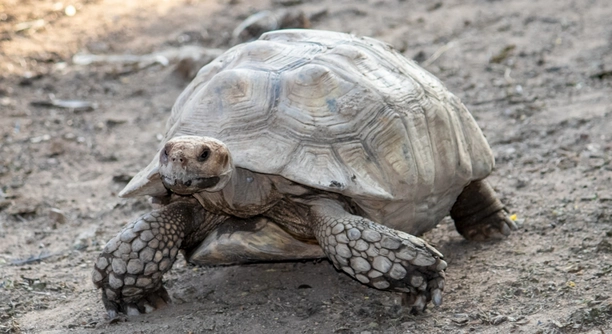
Creating a natural environment for your Sulcata tortoise is essential to its well-being. An enclosure that mimics their natural habitat helps support their health and behavior. Here are some ways to enhance their living space.
To create a more natural enclosure, focus on adding varied elements such as rocks, plants, and burrowing spaces. These features not only simulate their wild habitat but also encourage natural behaviors like foraging, climbing, and hiding, improving their overall quality of life.
With these simple adjustments, your tortoise will thrive in a more natural setting.
1. Offer Adequate Shelter and Shade
A Sulcata tortoise’s enclosure needs plenty of shaded areas to protect it from extreme temperatures. These tortoises are native to hot, dry climates, but they still need relief from the sun, especially during midday heat. You can create shade using large rocks, wooden structures, or even a small roof to help regulate temperature and humidity. A shaded area allows them to move around freely while avoiding direct exposure to harsh sunlight, which can lead to overheating and stress.
A few shaded spots throughout the enclosure will give your tortoise options to cool down when needed.
Using natural materials like rocks and logs for shelter not only enhances the enclosure’s appearance but also provides a more natural space for the tortoise to explore. These materials can help regulate the temperature by absorbing and releasing heat.
2. Introduce Plants
The right plants in your tortoise’s enclosure are essential for creating a more natural habitat. Sulcata tortoises naturally forage on grasses and certain types of plants. Adding these to their enclosure allows them to engage in natural foraging behaviors. It also provides extra food for them, as long as you choose non-toxic, safe plants. Some safe options include dandelions, clover, and certain types of grass. Just make sure to avoid using any plants that may harm them.
By planting grass and edible plants, you create an enriched environment for your tortoise. This not only supports its diet but also encourages natural behavior like grazing.
Adding plants offers a more aesthetically pleasing environment and creates an opportunity for your tortoise to explore. Including live plants adds humidity and natural cover, helping the tortoise feel more at home.
3. Provide Adequate Space for Movement
Sulcata tortoises need plenty of space to roam. The larger the enclosure, the better. Ideally, the enclosure should be at least 10 feet by 10 feet for one tortoise, with additional space if you keep more than one. This size ensures that they can move freely, explore, and stay active.
The enclosure should also have plenty of room for different features, such as hiding spots, food areas, and basking zones. Keeping the tortoise in a cramped space can result in stress, poor health, and hinder natural behavior.
A spacious enclosure offers a better quality of life and encourages your tortoise to stay healthy. With adequate room to move, your tortoise can engage in behaviors that are vital to its well-being, such as walking, climbing, and digging.
4. Create a Natural Floor for Digging
Sulcata tortoises are diggers by nature. They need soft soil or sand to dig and burrow. A substrate made of coconut coir, soil, and sand will mimic the natural ground they would encounter in the wild. The material should be deep enough to allow for digging and burrowing, which provides mental stimulation and physical exercise.
You’ll want to ensure the substrate is dry to avoid any health issues related to excessive moisture. Make sure it’s deep enough for your tortoise to dig tunnels or hide under if it feels threatened.
Offering a digging area lets your tortoise exhibit a natural and important behavior. Not only does this help your tortoise feel more comfortable, but it also strengthens its overall health. Digging can also help with temperature regulation, as tortoises will dig deeper for cooler conditions.
5. Add Hiding Spots
Sulcata tortoises feel safest when they have places to hide. Adding a few hiding spots, such as a log or a small cave, can reduce stress and give them a sense of security. These hiding spots mimic their natural shelters and allow them to retreat when they need quiet time.
A hide provides them with a retreat, especially during the hottest part of the day or when they feel threatened. This feature will help your tortoise feel more at ease in its environment.
6. Set Up a Basking Area
Your tortoise needs a basking area to regulate its body temperature. This area should be placed under a heat lamp, with a temperature between 95-105°F. Having a basking area in the enclosure encourages the tortoise to absorb heat, which is vital for digestion and overall health.
The basking spot should be positioned where your tortoise has easy access but can also retreat into the cooler parts of the enclosure. A raised platform or flat rock can serve as a perfect basking spot.
7. Maintain Proper Humidity
Sulcata tortoises need a specific level of humidity to stay healthy. Too little moisture can lead to dehydration, while excessive humidity can cause respiratory issues. The enclosure should maintain a humidity level around 40-60%. Using a misting system or a shallow water dish can help regulate this.
Monitoring humidity is essential, especially during warmer months. Make sure your tortoise always has access to clean, fresh water, which is crucial for hydration and proper digestion.
FAQ
How often should I feed my Sulcata tortoise?
Sulcata tortoises are herbivores and need a diet high in fiber. A good rule of thumb is to feed them once a day, offering a variety of grass, hay, and leafy greens. You can also provide some vegetables like squash, carrots, or dandelion greens. However, avoid feeding them high-oxalate plants, such as spinach, as it can interfere with calcium absorption.
In addition to fresh food, it’s important to ensure your tortoise always has access to fresh water. While younger tortoises might eat more frequently, adults usually need slightly less food. Keep an eye on your tortoise’s weight to make sure it’s not overfed or underfed.
Can Sulcata tortoises live outdoors?
Yes, Sulcata tortoises can live outdoors, provided the climate is suitable. They thrive in hot, dry environments, so a warm climate is ideal. You will need to provide an enclosed area to protect them from predators and prevent them from wandering off.
Outdoor enclosures should be spacious, secure, and equipped with hiding spots, water dishes, and access to shade. If you live in a colder climate, you may need to bring your tortoise inside during the winter months to avoid the risk of hypothermia.
What is the best substrate for a Sulcata tortoise enclosure?
For the best substrate, use a mix of sand, soil, and coconut coir. These materials provide a natural environment where your tortoise can dig, burrow, and explore. The substrate should be deep enough to allow for digging, which is a vital part of their natural behavior.
It’s important to avoid using substrates like cedar or pine shavings, as they can be toxic to tortoises. Ensure that the substrate remains dry to prevent the growth of mold and bacteria, which can cause health issues.
How do I provide UVB lighting for my Sulcata tortoise?
Sulcata tortoises need UVB lighting to help them synthesize vitamin D3, which is essential for calcium absorption and bone health. Provide a high-quality UVB bulb that covers the entire enclosure. It should be positioned about 12-18 inches from the tortoise to ensure effective exposure.
Replace the UVB bulb every six months to maintain its effectiveness, as UVB rays weaken over time. If your tortoise spends time outdoors, it can get natural sunlight, but make sure it’s not exposed to direct sun for too long, as overheating is a risk.
Can Sulcata tortoises be kept with other animals?
It’s generally not recommended to house Sulcata tortoises with other animals. They can be territorial and may not get along with other species, especially if they are introduced too quickly.
If you plan to house them with other reptiles or pets, make sure the other species are compatible and can handle the same environmental conditions. Monitor interactions closely to ensure no aggression or stress. Separate spaces are usually the safest option for keeping Sulcata tortoises with other animals.
What should I do if my Sulcata tortoise isn’t eating?
If your Sulcata tortoise refuses to eat, the first step is to check its environment. Make sure the enclosure temperature is suitable, as cold temperatures can reduce their appetite. Check that there are no health issues, such as shell rot or dehydration, that might be causing the lack of appetite.
Stress can also lead to reduced eating, so ensure the enclosure is a calm and secure environment. If the problem persists, consult with a veterinarian who specializes in reptiles to rule out any medical conditions.
How can I tell if my Sulcata tortoise is healthy?
A healthy Sulcata tortoise has clear eyes, a smooth, unblemished shell, and steady, firm movements. Its skin should be clean and free of sores or signs of infection. Healthy tortoises are usually active and alert, especially during the warmer months.
Check for signs of dehydration, such as sunken eyes or dry, wrinkled skin. Regularly weigh your tortoise to ensure it’s growing at a steady pace and not losing weight. If you notice any abnormalities in behavior, appetite, or appearance, it’s best to consult a veterinarian.
How do I prepare for a Sulcata tortoise in winter?
During winter, it’s important to bring your Sulcata tortoise inside if you live in a cold climate. Set up a warm, dry enclosure indoors that mimics the outdoor environment. You can use heat lamps and UVB lighting to provide the necessary warmth and light.
Be sure to maintain the appropriate humidity and temperature levels. Keep your tortoise’s habitat clean and safe, and ensure it has enough space to move around. Avoid hibernation as it can be dangerous for young or unhealthy tortoises.
Final Thoughts
Creating a natural and comfortable environment for your Sulcata tortoise is essential for its well-being. By paying attention to key factors such as substrate, hiding spots, basking areas, and humidity, you can ensure that your tortoise feels secure and has the opportunity to thrive. The more closely you can mimic their natural habitat, the healthier and happier they will be.
Remember that Sulcata tortoises are large creatures that require plenty of space, especially as they grow. A spacious and well-designed enclosure is not just a luxury, but a necessity for their long-term health. Regularly check the temperature and humidity levels, and be sure to provide fresh food and water daily. This consistency will help maintain a healthy environment for your tortoise.
Taking the time to learn about the needs of your Sulcata tortoise will make all the difference in the care you provide. Whether you house them indoors or outdoors, always ensure that they have access to a balanced diet, a safe space to hide, and enough room to roam. The effort you put into their enclosure will contribute to their health and happiness for many years to come.

Hello,
If you enjoy the content that we create, please consider saying a "Thank You!" by leaving a tip.
Every little bit helps us continue crafting quality advice that supports the health, happiness, and well-being of pets around the world, for pets of all shapes, sizes, and species.
We really appreciate the kindness and support that you show us!