
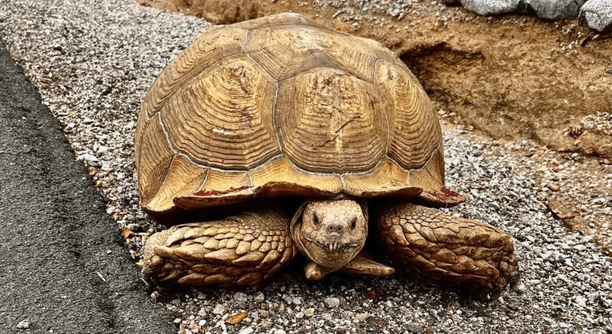
Sulcata tortoises are fascinating creatures, and their behavior can sometimes leave owners wondering about their habits. One such behavior is when they repeatedly walk in the same spot. Understanding this can help provide them with a better environment.
The primary reason your sulcata tortoise walks in the same spot is likely due to its natural instinct to establish a territory. This repetitive behavior can also be driven by a search for food, water, or shelter.
This behavior can be better understood by observing the tortoise’s surroundings and ensuring they have everything they need to feel secure and comfortable.
Understanding Tortoise Behavior
Sulcata tortoises are naturally inclined to walk in certain patterns. This repetitive behavior is often a sign that they are exploring or trying to establish a routine. In the wild, they walk long distances to find food and water, which could explain why they might walk the same path in captivity. It is important to remember that tortoises are creatures of habit, and this behavior is part of their natural instinct. When they move in a repetitive manner, they could be reacting to their environment, and it’s essential to observe if the same spot has any factors contributing to their interest, such as food remnants or environmental cues.
It’s also possible that the spot they walk in holds some kind of comfort for them, whether it be warmth or a preferred spot they associate with safety.
Providing a consistent and enriched environment will help address these behaviors. Offering different areas for food, water, and enrichment can encourage natural exploration and reduce the urge to repeatedly walk the same spot.
Environmental Factors
The environment plays a significant role in the behavior of your tortoise.
Temperature, humidity, and even light levels can all influence their movements. When tortoises walk in a repeated manner, they may be responding to environmental factors. If a specific spot is warmer or cooler, this can encourage them to walk back and forth, trying to find a comfortable temperature. Ensuring that your sulcata tortoise’s habitat is balanced will help minimize the focus on any one area. Regularly checking the environmental conditions in their enclosure will make a difference.
Sometimes, these tortoises may walk the same spot simply because it feels familiar and comfortable. Like any animal, they seek consistency. When provided with variety, a good temperature range, and some space to roam, this repetitive behavior might lessen over time.
Natural Instincts
Repetitive walking behavior is a natural instinct for sulcata tortoises. In the wild, they move long distances in search of food, water, and shelter. This behavior is hardwired into them and can occur even in a controlled environment.
In captivity, the enclosure layout might not always mimic the vast space they would have in the wild. As a result, they may walk the same spot as they would if they were searching for something. Adding more variety to the space can help satisfy their instinctual needs.
It’s also helpful to watch for other signs that your tortoise may be looking for something specific. Whether it’s food, water, or a comfortable resting area, they may repeatedly walk to areas where these elements are found. Monitoring these movements will help you understand their needs.
Enclosure Size and Layout
The size and layout of the enclosure matter more than you might think. A cramped or uninteresting space can encourage your sulcata tortoise to focus on the same area.
To make sure your tortoise has room to explore, try increasing the enclosure’s size and adding various elements like rocks, plants, and different textures. These changes will stimulate their curiosity and may reduce their repetitive walking. It’s important that the layout allows for free movement without obstacles.
A larger enclosure not only gives them more space to roam but also mimics the environment they would encounter in the wild. By expanding the area and offering variety, your tortoise may become more engaged with its surroundings.
Food and Water Availability
If your sulcata tortoise is walking the same spot, it might be searching for food or water. Ensuring that these basic needs are easily accessible is key.
Providing fresh water and scattered food around the enclosure can encourage exploration. When these resources are too concentrated in one area, your tortoise might stick to a single spot in search of them.
Stress and Anxiety
Tortoises, like other animals, can feel stress and anxiety. If the environment is too noisy or unpredictable, this could cause them to move repetitively.
Stress can also arise from interactions with other pets or people. Your tortoise may walk the same spot because it feels safer there, offering a sense of control over its surroundings.
Health Concerns
In some cases, repeated walking might signal underlying health issues. If your tortoise is physically uncomfortable, it could walk in circles or in the same spot.
If the behavior seems excessive, it may be a sign of pain, parasites, or another health concern. A visit to the vet can help rule out any medical conditions.
FAQ
Why does my sulcata tortoise keep walking in the same spot?
This behavior is often a result of instinct, as tortoises are used to traveling long distances in search of food, water, and shelter. In captivity, they may walk the same spot if it is where they believe they can find these necessities. It could also be due to comfort or familiarity with that particular area.
How can I stop my sulcata tortoise from walking in the same spot?
To reduce this behavior, provide a larger, enriched environment with various objects, textures, and areas to explore. By spreading food and water across the enclosure, your tortoise may become more engaged with its surroundings. Ensuring proper environmental conditions, like temperature and humidity, will also help.
Is it normal for sulcata tortoises to walk in circles?
While some circling is normal as they explore their environment, excessive circling can signal stress, health issues, or boredom. Make sure their habitat is large enough and provides enough stimulation to keep them occupied.
Could my sulcata tortoise be stressed from its environment?
Yes, stress can cause repetitive behavior. If the enclosure is too small, too loud, or overly busy, your tortoise might walk the same spot to feel safe or reduce anxiety. Ensuring a quiet, spacious, and calm environment can help.
What are the signs that my tortoise is walking because of pain?
If your tortoise is walking in the same spot in a way that seems forced, or if it’s limping or showing signs of discomfort, it could be due to pain. Pain might also cause them to avoid certain areas of their enclosure or behave more erratically.
Could temperature or humidity affect my tortoise’s walking behavior?
Yes, sulcata tortoises are sensitive to temperature and humidity changes. If one spot in their enclosure is warmer or cooler, they may prefer that area. Be sure to provide a gradient of temperature in their enclosure to allow them to choose the spot that feels most comfortable.
Should I worry if my tortoise is not eating or drinking?
Yes, if your sulcata tortoise is walking in the same spot and not eating or drinking, it could indicate stress or health issues. Lack of appetite may be a sign of illness, dehydration, or discomfort. Check its environment and consult a vet if the issue persists.
What should I do if my tortoise is not moving much at all?
If your tortoise is staying in one spot and not moving much, it could be a sign of illness or that the environment isn’t right for it. Check the temperature, humidity, and lighting in the enclosure. If everything seems normal and the behavior continues, it may be time to visit a vet.
Can a sulcata tortoise be kept with other pets?
While sulcata tortoises can sometimes be kept with other pets, it’s best to be cautious. Tortoises prefer solitude and may feel stressed by the presence of other animals. Keep an eye on their interactions and ensure that no other pets are bullying or threatening them.
How often should I change my tortoise’s enclosure setup?
Changing the layout of your sulcata tortoise’s enclosure regularly can help keep them engaged. Rotating decorations, adding new hiding spots, or moving the food and water bowls can create variety and reduce the likelihood of repetitive walking. Just make sure not to disturb them too often, as they may need time to adjust to changes.
Can I let my tortoise roam outside of its enclosure?
Yes, sulcata tortoises can enjoy supervised time outside their enclosure. Ensure the outdoor area is safe and secure, without any potential hazards like predators or toxins. Allowing your tortoise to roam in a larger, natural environment can also help reduce repetitive walking behaviors.
Do sulcata tortoises need a lot of social interaction?
Sulcata tortoises are solitary animals and don’t require a lot of social interaction. However, they do benefit from consistent, calm care. Interacting with them gently and providing regular feeding and health checks is enough to keep them comfortable and happy.
How do I know if my tortoise is comfortable in its habitat?
A comfortable tortoise will exhibit natural behaviors like grazing, walking, and resting in different areas of its enclosure. If your sulcata tortoise is walking repetitively or seems agitated, it may indicate discomfort or a need for environmental adjustments.
Final Thoughts
Sulcata tortoises are fascinating creatures with specific needs and natural instincts that often guide their behaviors. Repetitive walking in the same spot is a common behavior for these tortoises, and it’s not usually a cause for concern. It can be a sign that they are simply following their natural instincts to explore or find resources like food and water. However, it’s essential to consider the layout and environment of the enclosure to ensure that they have the proper space and stimulation to prevent boredom or frustration.
Understanding your tortoise’s natural behavior is crucial in providing the right environment. Making adjustments like increasing the size of the enclosure or introducing new elements, such as rocks, plants, or hiding spots, can help reduce repetitive movements. Additionally, ensuring that their basic needs—such as food, water, and temperature—are met will keep your sulcata tortoise healthy and content. If you notice that the repetitive behavior is extreme or linked to other signs of distress, such as lack of appetite, it’s essential to assess their health and consult a vet if needed.
In the end, maintaining a proper balance between environmental enrichment and monitoring their health is key to ensuring your tortoise’s well-being. While repetitive walking can be a natural part of their behavior, creating a habitat that encourages exploration and comfort will likely help reduce such movements. With the right care and attention, your sulcata tortoise can thrive, remaining active and healthy in its environment while avoiding stress or discomfort that may cause abnormal behaviors.

Hello,
If you enjoy the content that we create, please consider saying a "Thank You!" by leaving a tip.
Every little bit helps us continue crafting quality advice that supports the health, happiness, and well-being of pets around the world, for pets of all shapes, sizes, and species.
We really appreciate the kindness and support that you show us!