
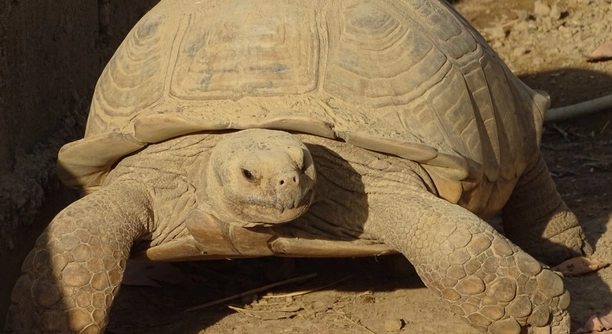
A Sulcata tortoise is a large, land-dwelling species native to Africa. Known for their impressive size and longevity, they can face several health concerns that affect their behavior. One common issue is dragging their shell.
The behavior of dragging a Sulcata tortoise’s shell often indicates problems such as excessive weight, poor diet, or an unsuitable habitat. These factors can lead to discomfort or difficulty in movement, which may cause the tortoise to drag its shell along the ground.
There are several factors that can contribute to this issue, and understanding them is crucial for maintaining your tortoise’s health and well-being.
Poor Diet and Nutritional Imbalance
One of the most common reasons for a Sulcata tortoise dragging its shell is a poor diet. These tortoises are herbivores and need a diet rich in fiber, calcium, and other essential nutrients to stay healthy. Without proper nutrition, they may become weak, and their shells may not grow as they should. An unbalanced diet can also lead to metabolic bone disease, a condition that weakens the shell and can cause it to drag.
A diet lacking in calcium and vitamin D3 can result in a soft shell, which makes it harder for the tortoise to move. Ensure that your Sulcata tortoise has access to a variety of grasses, weeds, and other vegetation. It’s also important to provide a calcium supplement to help strengthen its bones and shell. Without these necessary nutrients, your tortoise will have a harder time lifting its shell, resulting in dragging behavior.
Another issue is feeding them too much protein or not enough fiber. A high-protein diet can cause problems with shell growth and overall health. Providing a proper balance in their diet will go a long way in preventing issues like shell dragging.
Weight and Shell Health
Excess weight can cause your tortoise to drag its shell. Overfeeding, especially with foods high in fat or sugar, can lead to obesity. When tortoises become overweight, their shells become more difficult to carry, resulting in dragging behavior.
For your tortoise to remain active and healthy, it’s important to monitor its weight. Keeping your tortoise at an ideal weight not only promotes better mobility but also supports long-term health. Regular exercise, like offering space for them to roam, will help manage their weight and prevent shell-related issues.
Improper Habitat
A Sulcata tortoise’s habitat plays a crucial role in its behavior. If it lacks the proper space or environmental conditions, your tortoise may struggle to move freely. Inadequate space can cause stress and discomfort, leading to the dragging of its shell.
Tortoises need a spacious area with room to roam. If they are kept in too small an enclosure, they can become lethargic and develop unhealthy habits. A large, open space with a proper substrate is important for their mobility. The substrate should be easy on their legs and shell, preventing any friction that could cause dragging.
The temperature and humidity in their habitat also matter. Sulcata tortoises are native to arid environments, so they require a warm, dry space with some access to shade. Incorrect temperature or moisture levels can cause them to feel sluggish, contributing to dragging. Make sure their habitat mimics their natural environment for optimal health and movement.
Shell Deformities
Sometimes, the shape of a tortoise’s shell can cause dragging. Deformities or irregularities in the shell may occur due to genetics, malnutrition, or injury. A misshapen shell can make it difficult for the tortoise to carry its weight properly, leading to dragging behavior.
If your tortoise has a deformed shell, it may have trouble balancing or moving in a normal way. This could cause the shell to drag along the ground as it attempts to walk. While some deformities are minor, others may require veterinary intervention. Early detection is key to preventing long-term damage.
Regular checkups and proper nutrition can help prevent or minimize deformities. If you notice any irregularities in your tortoise’s shell, seek professional advice to determine the best course of action. Addressing shell issues early can improve the tortoise’s overall mobility and comfort.
Lack of Exercise
Sulcata tortoises require regular exercise to maintain their strength and mobility. A lack of exercise can cause them to become weak, making it difficult for them to lift and carry their shells properly. This can lead to dragging.
Providing a large outdoor space where your tortoise can roam freely helps keep it active. If kept indoors, ensure there is enough room to move around, and consider offering daily supervised outdoor time. Regular movement helps strengthen muscles, prevent obesity, and improve overall health, reducing the likelihood of shell dragging.
Stress or Anxiety
Stress can also contribute to dragging behavior in Sulcata tortoises. If they feel threatened or uncomfortable in their environment, they may display unusual behaviors, including dragging their shell.
Factors like loud noises, sudden changes in temperature, or unfamiliar environments can stress your tortoise. Creating a calm and consistent habitat is important for preventing these issues. Try to avoid handling them excessively or making sudden changes to their environment to minimize stress.
FAQ
Why is my Sulcata tortoise dragging its shell?
If your Sulcata tortoise is dragging its shell, it’s likely due to health or environmental issues. Poor diet, excessive weight, an improper habitat, or stress can all contribute to this behavior. In some cases, shell deformities or lack of exercise may also be factors. Identifying the root cause is crucial for addressing the problem effectively.
How can I fix the dragging behavior?
To fix dragging, start by assessing the diet, weight, and habitat. Ensure your tortoise is eating a balanced diet rich in fiber, calcium, and vitamins. Create a spacious, comfortable habitat with proper temperature and humidity. Providing regular exercise and ensuring the tortoise isn’t overweight will also help. If the problem persists, consult a veterinarian.
Can a Sulcata tortoise’s shell deformity cause dragging?
Yes, shell deformities can make it difficult for a tortoise to move normally. Deformities may occur due to malnutrition, injury, or genetic factors. These irregularities can make the shell heavy and awkward, causing the tortoise to drag it along the ground. Early intervention can help reduce the severity of deformities.
How do I know if my Sulcata tortoise is overweight?
An overweight Sulcata tortoise may have a bloated appearance, with difficulty moving around or lifting its shell. Check for signs like sluggishness, difficulty walking, or an unusually wide shape. Overfeeding, particularly with foods high in fat or sugar, can lead to obesity, which stresses the tortoise’s mobility and shell.
What type of exercise does my Sulcata tortoise need?
Sulcata tortoises need plenty of space to roam, whether indoors or outdoors. Provide a large, secure area where your tortoise can walk, climb, and explore. This helps build muscle strength and mobility, which reduces the chances of dragging its shell. Regular exercise is essential for overall health and well-being.
Can stress make my Sulcata tortoise drag its shell?
Yes, stress can lead to abnormal behavior, including dragging its shell. Tortoises may feel stressed due to loud noises, sudden environmental changes, or even excessive handling. Stress can make a tortoise sluggish or hesitant to move, potentially resulting in dragging its shell. To minimize stress, keep the environment consistent and quiet.
Should I give my Sulcata tortoise a calcium supplement?
Yes, calcium is vital for your tortoise’s bone and shell health. A lack of calcium can lead to metabolic bone disease, which weakens the shell and makes movement difficult. Providing a calcium supplement, along with a proper diet of fibrous plants, will help support shell growth and mobility. Consult a vet for guidance on proper supplementation.
What kind of habitat is best for a Sulcata tortoise?
A large, open area is ideal for a Sulcata tortoise. Outdoors, provide a secure, grassy space with some shade and access to fresh water. If kept indoors, create an enclosure that offers plenty of room to move around and is equipped with a heat source and proper humidity. A suitable habitat will prevent discomfort and support healthy movement.
How can I prevent my Sulcata tortoise from becoming obese?
Prevent obesity by feeding your tortoise a balanced diet that is high in fiber and low in fat. Avoid overfeeding, especially with high-calcium foods like spinach, and ensure that fresh grasses and weeds make up the majority of the diet. Regular exercise, such as outdoor exploration, will help keep the tortoise at a healthy weight.
Can a Sulcata tortoise’s shell repair itself?
Shell damage or minor deformities may heal over time with proper care. However, severe deformities or injuries may require veterinary intervention. In some cases, the tortoise’s shell will not return to its original shape, but treatment can prevent further damage and support overall health. Regular vet checkups are recommended for assessing shell health.
Final Thoughts
Understanding the reasons behind your Sulcata tortoise dragging its shell is essential for improving its health and well-being. The most common causes include poor diet, improper habitat, and lack of exercise. Stress, shell deformities, or even obesity can also contribute to this behavior. Identifying the root cause will allow you to take the necessary steps to help your tortoise move more comfortably and regain its strength. By offering a proper environment, a balanced diet, and regular exercise, you can improve your tortoise’s quality of life and prevent further issues.
It’s important to create a spacious, comfortable habitat for your Sulcata tortoise. The right space, temperature, and humidity levels are crucial for its physical health. Providing enough room for the tortoise to move freely can prevent stress and encourage natural behaviors. If kept indoors, ensure the enclosure is large enough and equipped with proper heating and UVB lighting. Outdoor spaces should be safe and allow for movement across different surfaces, encouraging the tortoise to explore and stay active. A healthy environment is key to preventing the dragging of the shell and other mobility issues.
If your Sulcata tortoise continues to drag its shell despite these adjustments, consulting a veterinarian is highly recommended. A vet can assess the tortoise’s health, check for shell deformities, and suggest treatment if needed. They can also help monitor the tortoise’s diet, weight, and exercise habits. Early intervention can prevent more serious issues and ensure your tortoise remains healthy for years to come. Taking proactive steps to address the cause of the dragging will help your tortoise live a more comfortable, active life.

Hello,
If you enjoy the content that we create, please consider saying a "Thank You!" by leaving a tip.
Every little bit helps us continue crafting quality advice that supports the health, happiness, and well-being of pets around the world, for pets of all shapes, sizes, and species.
We really appreciate the kindness and support that you show us!