
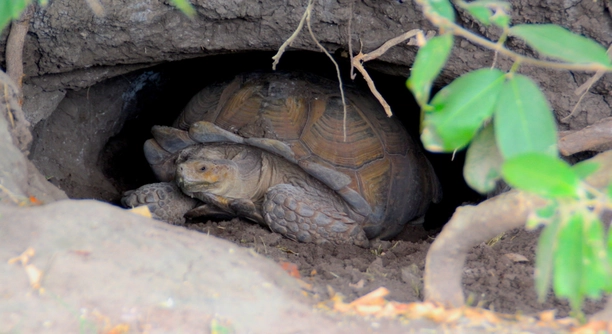
Is your sulcata tortoise’s skin turning white? This common issue can raise concerns, but understanding the cause is important for proper care and attention.
The most likely cause of white skin on your sulcata tortoise is shedding, a normal process as they grow. However, it can also indicate issues such as dehydration, fungal infections, or improper environmental conditions.
Identifying the cause of your tortoise’s skin changes will help you make necessary adjustments to their care routine and prevent further complications.
Why Your Sulcata Tortoise’s Skin Might Turn White
When a sulcata tortoise’s skin turns white, it can be unsettling. The most common cause is shedding, which happens naturally as they grow. Tortoises shed their skin in layers, much like snakes, to make room for new skin underneath. This process is essential for their growth and overall health. If your tortoise’s skin appears slightly flaky or whitish in patches, it’s likely part of this normal process. However, shedding can sometimes be influenced by external factors like humidity, diet, or temperature, which need to be closely monitored. Ensuring your tortoise has a suitable habitat, with the right humidity levels and temperature, is key to supporting a healthy shedding process.
If shedding continues for extended periods or the skin becomes overly dry or cracked, it might be a sign of dehydration or other health concerns.
Dehydration can happen if your tortoise is not drinking enough water or is kept in an environment that is too dry. To avoid dehydration, offer fresh water daily and ensure their living area is humid enough. If the skin does not return to normal or the white patches spread, consider consulting a veterinarian to rule out other underlying issues like fungal infections.
Environmental Factors to Consider
Environmental factors play a large role in your tortoise’s skin health. Proper lighting, humidity, and temperature should always be prioritized in your tortoise’s habitat. If the environment is too dry, their skin might become overly flaky, and they might struggle to shed normally.
Sulcata tortoises require heat sources to regulate their body temperature, and they need UVB light to aid in calcium absorption. Lack of UVB light can cause the skin to appear dull or discolored. Additionally, maintaining proper humidity levels is essential in preventing dryness that can interfere with normal skin shedding.
You can improve your tortoise’s environment by adjusting its habitat. Use a substrate that holds moisture, such as coconut coir, and mist the enclosure regularly. Consider using a humidity gauge to monitor levels, and adjust your heating and lighting setup to provide the ideal temperature gradient for your tortoise. Providing the right environment will help prevent skin issues and ensure your sulcata thrives.
Dehydration and Its Effects on Skin
Dehydration is one of the most common reasons for your tortoise’s skin to appear white. When a sulcata tortoise doesn’t get enough water, it can lead to dry and flaky skin. This can also impact the shedding process, making it more difficult for your tortoise to shed properly.
To prevent dehydration, provide a shallow water dish that your tortoise can easily access. You should also mist their enclosure regularly to maintain proper humidity. If your tortoise is dehydrated, you might notice that they drink more than usual or their skin remains dry even after shedding. It’s important to ensure that they stay hydrated consistently for healthy skin.
Hydration is essential for proper metabolic function, and without enough water, your tortoise’s skin can dry out, crack, or even become discolored. This is particularly concerning for sulcata tortoises, as they are more prone to dehydration. In addition to water, offering hydrating foods like leafy greens can help supplement their water intake.
Fungal Infections and Their Impact on Skin
Fungal infections can cause white patches on your tortoise’s skin. These infections thrive in moist environments and may spread quickly if left untreated. The signs of a fungal infection include white, powdery patches on the skin, often accompanied by irritation or swelling.
A key factor in preventing fungal infections is proper enclosure hygiene. Ensure the environment is clean, dry, and well-ventilated to reduce the likelihood of mold and fungal spores. Regularly disinfect your tortoise’s habitat and remove any spoiled food or waste to prevent bacterial or fungal growth.
If you suspect a fungal infection, it’s important to consult a vet for proper treatment. The vet may prescribe antifungal medications to clear up the infection, which will help restore your tortoise’s skin to its natural condition. You should also monitor your tortoise closely for any changes in behavior, as infection can cause them to become lethargic or less active.
Poor Diet and Skin Health
A lack of proper nutrition can lead to skin issues, including white patches. A diet deficient in essential vitamins and minerals, particularly vitamin A and calcium, can weaken your tortoise’s skin. This can result in abnormal shedding or dry skin.
Ensure your tortoise is eating a balanced diet with a variety of leafy greens, vegetables, and occasional fruits. Avoid feeding them high-protein foods, as this can cause imbalances. A vitamin-rich diet helps maintain healthy skin, promotes proper shedding, and supports their overall well-being.
Stress and Skin Changes
Stress can also play a role in your tortoise’s skin changes. If your tortoise feels threatened or uncomfortable in their environment, it might cause their skin to look pale or discolored. Stress may result from improper housing, overcrowding, or sudden environmental changes.
Reducing stress involves maintaining a stable environment. This means providing consistent lighting, temperature, and humidity levels. Minimize loud noises and ensure your tortoise has plenty of space to roam freely.
FAQ
Why is my sulcata tortoise shedding excessively?
Excessive shedding can be caused by several factors, most commonly humidity levels that are too low or dehydration. Sulcata tortoises shed their skin as they grow, but if the environment isn’t ideal, the shedding process can become excessive. Ensure their habitat has proper humidity and temperature levels to support healthy shedding. If shedding seems unusually heavy, it could also indicate a nutritional deficiency or an underlying health issue, so it’s important to monitor their overall condition and consult a vet if needed.
How do I prevent my tortoise’s skin from becoming dry and flaky?
To prevent dry, flaky skin, you need to maintain proper hydration and humidity in your tortoise’s habitat. Regularly mist their enclosure to keep humidity levels in check and make sure there’s a shallow water dish that your tortoise can drink from. You should also offer fresh, hydrating foods like leafy greens, which can help support overall skin health. Dry skin may also be a sign of dehydration, so it’s important to address this issue promptly.
Can I use a humidifier to help with skin dryness?
Yes, using a humidifier can help maintain the right humidity levels in your tortoise’s enclosure, which is essential for keeping their skin healthy. A humidifier can keep the environment moist enough to prevent their skin from drying out or becoming excessively flaky. Make sure to monitor humidity regularly with a hygrometer to avoid over-humidifying, as this can lead to other issues such as mold growth or fungal infections.
What should I do if I suspect a fungal infection?
If you suspect a fungal infection, it’s best to take your tortoise to the vet for an accurate diagnosis. Fungal infections can appear as white, powdery patches on the skin, and if left untreated, they can cause further harm. The vet will likely prescribe antifungal treatments to clear the infection. In the meantime, keep your tortoise’s enclosure clean, dry, and well-ventilated to prevent the infection from spreading. Avoid handling your tortoise too much until treatment begins.
How often should I bathe my tortoise to help with skin shedding?
Bathing your tortoise once a week is usually sufficient to help with skin shedding and hydration. Make sure the water is lukewarm, and never use hot water, as this can stress your tortoise. Bathing helps soften the skin, making shedding easier. However, excessive bathing can lead to dehydration, so it’s essential to maintain proper hydration through regular water access as well.
What is the best way to maintain a healthy diet for my sulcata tortoise?
A healthy diet for a sulcata tortoise should consist of a variety of leafy greens like dandelion greens, collard greens, and kale. Avoid feeding them high-protein foods, as they can cause imbalances and lead to health issues. You can occasionally offer them fruits, but these should be limited. Supplement their diet with calcium powder if needed, but be cautious not to over-supplement. Offering a balanced diet will help support overall skin health and proper growth.
Can stress cause skin problems in sulcata tortoises?
Yes, stress can lead to skin problems in sulcata tortoises. Stress can cause their skin to appear pale or discolored. Factors like improper temperature, sudden environmental changes, or overcrowding can all contribute to stress. Reducing stress involves providing a stable, quiet environment with the right temperature, lighting, and humidity. You should also ensure your tortoise has enough space to move around and feel safe in its habitat.
Is it normal for my tortoise’s skin to turn white after basking?
It’s normal for a tortoise’s skin to appear lighter after basking, especially if they are exposed to UVB light for a long time. However, if the skin remains white for an extended period or starts peeling, it could indicate dehydration, fungal infection, or improper environmental conditions. Monitor your tortoise’s overall behavior and skin condition to determine if there is a need for adjustments in their care.
Can poor lighting cause skin discoloration in sulcata tortoises?
Yes, poor lighting can lead to skin discoloration. Sulcata tortoises need UVB lighting to process calcium properly and support their overall health. Without adequate UVB light, they may develop issues such as dull or pale skin. Ensure your tortoise’s habitat has a reliable source of UVB light for 10-12 hours a day. Additionally, avoid overexposure to direct heat from the light, as it can dry out the skin.
Final Thoughts
When your sulcata tortoise’s skin turns white, it can be a sign of a few different things. Most often, it’s part of the natural shedding process, but it could also indicate dehydration, improper humidity, or a fungal infection. It’s important to closely monitor the conditions in their environment, as issues like low humidity or temperature imbalances can cause shedding problems. Keeping their habitat stable and providing a balanced diet are key steps to ensuring your tortoise stays healthy and happy.
If the skin remains white or becomes flaky for a long period, it’s a good idea to consult a veterinarian. Fungal infections and other health concerns can lead to skin changes that don’t resolve on their own. A vet will be able to identify the root cause and provide proper treatment, such as antifungal medications or advice on hydration and diet adjustments. It’s always better to get expert advice to ensure your tortoise’s well-being.
By taking care of your tortoise’s living conditions and providing them with the right diet and hydration, you can help prevent skin issues in the future. Regularly misting the enclosure to maintain humidity, offering fresh water, and providing UVB lighting are all steps that can help keep your sulcata tortoise’s skin healthy. Keeping their environment as natural and stable as possible is crucial for their overall health and longevity.

Hello,
If you enjoy the content that we create, please consider saying a "Thank You!" by leaving a tip.
Every little bit helps us continue crafting quality advice that supports the health, happiness, and well-being of pets around the world, for pets of all shapes, sizes, and species.
We really appreciate the kindness and support that you show us!