
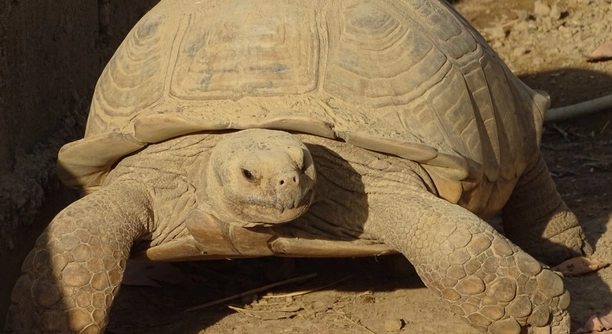
A sulcata tortoise is a fascinating pet that can live for many years. However, if you notice your tortoise sleeping in its water dish, it can be concerning. Understanding why this happens will help ensure your tortoise stays happy and healthy.
The most likely reason your sulcata tortoise is sleeping in its water dish is because it is seeking comfort, cooling down, or dealing with dehydration. Tortoises may use water dishes for both hydration and thermoregulation, especially in warmer environments.
There are several factors to consider when your tortoise exhibits this behavior. Understanding the cause can help you create a more comfortable habitat for them.
Why Is My Sulcata Tortoise Sleeping in Its Water Dish?
A sulcata tortoise’s behavior can sometimes puzzle owners, especially when they find it resting in its water dish. It’s easy to assume that the tortoise might be sick or stressed. However, this behavior is usually linked to natural instincts. Tortoises, including sulcatas, are often drawn to water sources for both hydration and temperature regulation. This means they may seek out water dishes to cool off when they feel overheated, or even to find a safe, quiet place to rest.
Your sulcata may also be looking for a moisture-rich environment, especially if its habitat is too dry. Overly dry conditions can lead to dehydration or discomfort, prompting your tortoise to spend more time near the water. If the tortoise feels it’s too hot, it may also opt to lay in the water dish to regulate its body temperature.
Sometimes, this behavior is not just about comfort—it can also reflect an imbalance in their environment. Ensuring that the humidity and temperature are well-maintained can help discourage this. A balanced environment promotes better health and reduces stress for your tortoise.
Is It About Comfort or Health?
It’s essential to assess your tortoise’s living conditions. If it is constantly seeking water, it may be a sign that something is off. By making adjustments, you can help prevent unnecessary stress.
If your sulcata spends more time in its water dish than usual, it could be a sign that the habitat is either too hot or too dry. Adjusting the enclosure’s temperature, humidity, and access to clean water can help your tortoise stay comfortable. Additionally, ensure that your tortoise’s food and water intake are balanced. Sometimes, dehydration and improper diet contribute to odd behavior.
Hydration and temperature control are vital for sulcatas, especially since they are used to warmer climates. A water dish can be their go-to spot when they need to escape the heat. To keep your tortoise happy, creating an environment that supports their natural behaviors is key. Adjustments to both temperature and humidity levels can go a long way in making sure they feel at ease.
How to Create the Right Environment
Providing the right environment for your sulcata tortoise means focusing on both its temperature and humidity needs. These tortoises thrive in dry, warm areas but still require humidity levels of around 50-60% to stay healthy. You’ll want to make sure the temperature of the basking area is about 95-100°F and that the cooler part of the enclosure stays around 75-85°F. Keeping the substrate damp but not soaking wet can encourage the tortoise to stay in more comfortable spots without feeling the need to spend too much time in the water dish.
Also, ensure that the water dish itself is shallow. If it’s too deep, it can be harder for your tortoise to climb out, making them more likely to sleep in it. You can also provide a larger basking spot with a heat lamp, allowing your sulcata to regulate its temperature properly. This will reduce the chances of your tortoise looking for cooler places to sleep. Making these changes can go a long way in keeping your pet comfortable.
Temperature and Humidity Imbalances
Improper temperature and humidity levels in your tortoise’s habitat can make it feel uncomfortable, pushing it to spend more time in its water dish. The sulcata tortoise thrives in warmth, but it also needs access to cooler areas to regulate its body temperature.
If the temperature is too high, the tortoise may use the water dish to cool down. A common issue is too much heat in one area and not enough cooler zones for the tortoise to escape to. Similarly, insufficient humidity can cause your tortoise to seek out water for moisture.
Setting up a proper gradient within the enclosure is important. The basking area should stay warm, while the cooler side should provide a contrast that helps your tortoise regulate its temperature. Adding a small humidifier or misting the enclosure can also provide the right moisture levels. Keeping an eye on the balance of warmth and humidity will help prevent your tortoise from seeking its water dish for comfort too often.
Dehydration Concerns
Your sulcata tortoise could also be spending time in its water dish due to dehydration. These tortoises, though resilient, are prone to dehydration if they do not receive enough water. Since they originate from dry environments, they are excellent at conserving water. However, without access to fresh water regularly, they may look for moisture anywhere.
This behavior could be a sign that your tortoise isn’t getting enough hydration from its food or water source. Inadequate water intake can lead to a lack of moisture in the skin and shell, making the tortoise uncomfortable. Keeping a shallow water dish with fresh water is essential, but you should also offer leafy greens that contain water content.
Providing adequate hydration prevents dehydration-related health problems. When your tortoise isn’t getting enough water from its environment, it may turn to its water dish as a makeshift solution. Make sure you monitor your pet’s water intake closely and provide proper food options to support its health.
Stress and Environmental Factors
Stress can also contribute to your sulcata tortoise spending more time in its water dish. Factors like loud noises, changes in lighting, or even overcrowding can make your tortoise seek out a place to hide or feel secure.
When stressed, tortoises may retreat to their water dish for comfort, as it offers a calm environment away from disturbances. Ensuring the enclosure is in a quiet, peaceful location can reduce stress and encourage your tortoise to spend more time exploring other areas of its habitat.
Tortoises that feel threatened or are in an environment with too many distractions may retreat to water, where they feel protected. Creating a stable, quiet environment can help your tortoise feel more comfortable and prevent this behavior.
Temperature Fluctuations at Night
At night, the temperature drops significantly, which could cause your sulcata tortoise to sleep in its water dish. If the nighttime temperature in the enclosure is too low, your tortoise may seek out the dish to maintain warmth. The water may retain heat better than the rest of the enclosure.
To avoid this issue, it’s important to make sure that the night temperature is controlled. Sulcata tortoises need a drop in temperature to mimic their natural environment, but it should not be too drastic. A nighttime temperature of 70-75°F is ideal to help your tortoise sleep peacefully without seeking the water dish for warmth.
Habitat Size and Layout
A cramped habitat can lead to your sulcata tortoise spending more time in one area, such as the water dish. If there isn’t enough space to roam or hide, your tortoise might find comfort in a familiar spot. It is important to ensure the enclosure is large enough for the tortoise to move around freely and explore.
A well-sized enclosure encourages natural behavior, such as basking, foraging, and resting away from the water dish. Be sure to include plenty of space for your tortoise to roam and hide. A larger space will help your sulcata feel secure and reduce the chances of them retreating to the water dish too often.
FAQ
Why does my sulcata tortoise sleep in its water dish?
Your sulcata tortoise may sleep in its water dish to regulate its body temperature or due to dehydration. Tortoises use water to cool down if they feel too hot, or they may seek moisture when they are dehydrated. If the environmental conditions, like temperature or humidity, aren’t ideal, your tortoise might choose the water dish for comfort and relief.
How can I stop my sulcata from sleeping in its water dish?
To stop this behavior, ensure the enclosure provides the right balance of temperature and humidity. The basking area should be warm (around 95-100°F), and the cooler side of the enclosure should be about 75-85°F. Humidity should be kept at 50-60%. A larger, more comfortable habitat with plenty of space to explore will also discourage your tortoise from using the water dish as a resting spot.
Can a dirty water dish cause my tortoise to sleep in it?
Yes, a dirty water dish can contribute to your tortoise spending more time in it. If the water is contaminated or if there are other health issues such as skin infections, your sulcata may seek comfort in the water. Make sure to clean the dish regularly and provide fresh water daily to promote good hygiene.
How often should I clean my sulcata’s water dish?
You should clean your sulcata’s water dish every day. This prevents bacterial growth and keeps the water fresh. Regular cleaning ensures your tortoise has access to clean water, which helps prevent dehydration and other health problems. If you notice any food or waste in the dish, clean it immediately to maintain hygiene.
Should I add anything to the water dish?
It’s best to keep the water in the dish simple—fresh, clean water only. You might occasionally add a small amount of water-soluble vitamins or supplements if recommended by your vet. However, avoid adding chemicals or anything that could harm your tortoise. Always ensure the water is fresh and free of contaminants.
Can temperature changes cause my sulcata tortoise to sleep in its water dish?
Yes, temperature fluctuations, especially at night, can cause your sulcata to sleep in its water dish. If the enclosure’s nighttime temperature drops too low, your tortoise may seek warmth in the water dish. A consistent temperature of 70-75°F at night is ideal for sulcata tortoises.
Is it normal for my sulcata tortoise to be in the water for long periods?
It’s not unusual for a sulcata tortoise to spend time in the water dish, but prolonged periods may indicate that something isn’t right with its environment. If your tortoise is spending excessive time in the water, check that the habitat has proper temperature, humidity, and space.
How do I know if my sulcata tortoise is dehydrated?
Signs of dehydration include sunken eyes, dry skin, and a lack of energy. If your tortoise is dehydrated, it may spend more time in its water dish, trying to hydrate. Offer more leafy greens and ensure access to fresh water at all times. If symptoms persist, consult a vet.
Can stress make my tortoise sleep in the water dish?
Yes, stress can cause your sulcata to seek out the water dish for comfort. Stressors such as loud noises, changes in lighting, or overcrowding can make your tortoise feel insecure. Try to create a calm, quiet environment and give your tortoise space to reduce stress levels.
What is the best way to set up my sulcata tortoise’s habitat?
To set up a comfortable habitat, ensure there is a basking area with a heat lamp that maintains a temperature of 95-100°F. Provide a cooler side of the enclosure with a temperature of 75-85°F, and maintain humidity at 50-60%. Include a shallow water dish, and offer enough space for your tortoise to roam and explore.
Can a small enclosure cause my tortoise to stay in the water dish?
Yes, if the enclosure is too small, your tortoise may not have enough space to move around and explore. This can make it more likely to spend time in one area, like the water dish. A larger enclosure with various hiding and basking spots is essential to promote natural behavior.
What kind of water dish should I use for my sulcata tortoise?
Choose a shallow, sturdy water dish that your sulcata can easily climb in and out of. Avoid deep dishes that might cause your tortoise to get stuck or feel trapped. Make sure the dish is large enough to allow your tortoise to soak if needed, but not too deep.
Should I be concerned if my sulcata tortoise always stays in the water dish?
If your tortoise consistently stays in the water dish, it may indicate that something is wrong with its environment. Check the temperature, humidity, and overall setup to ensure it is comfortable. Prolonged behavior like this can point to dehydration, stress, or improper habitat conditions.
Is it okay to leave my sulcata tortoise in the water overnight?
It’s best not to leave your tortoise in the water overnight unless it’s for a short soak. If the water dish is too deep, your tortoise may get stuck or feel uncomfortable. Provide a warm, dry place for your tortoise to rest at night, with proper humidity levels.
Can I use a humidifier for my sulcata tortoise’s habitat?
Yes, a humidifier can help maintain the proper humidity levels for your sulcata tortoise’s habitat. Keeping humidity at 50-60% is crucial for your tortoise’s health. However, monitor humidity carefully, as too much moisture can lead to shell and skin issues.
Final Thoughts
Understanding why your sulcata tortoise sleeps in its water dish is important for ensuring its health and comfort. In most cases, the behavior is linked to the need for temperature regulation or hydration. Sulcata tortoises are native to hot, dry environments, and they often use water to help cool themselves down. If the temperature in the habitat is too high or too low, they may spend more time in the water dish to stay comfortable. Additionally, dehydration can be a common reason for this behavior. If your tortoise isn’t getting enough water from its food or dish, it may seek out the water to hydrate.
To address this, it’s crucial to provide an environment with proper temperature and humidity levels. Sulcata tortoises need a basking area that stays warm while offering a cooler side of the enclosure for them to escape to when they need to regulate their body temperature. Maintaining humidity at 50-60% and ensuring the water dish is shallow enough for your tortoise to climb in and out of easily can also make a difference. These adjustments can help your tortoise feel more at ease and discourage it from relying on its water dish as a resting spot.
Finally, always observe your tortoise’s behavior to catch any changes early. If your sulcata spends excessive time in the water dish or shows signs of dehydration, it might be time to adjust the environment or check if there are any health concerns. A healthy tortoise requires more than just the right habitat—it also needs a balanced diet and regular veterinary checkups. By creating a comfortable environment and monitoring your tortoise’s needs, you can help ensure a long, healthy life for your pet.

Hello,
If you enjoy the content that we create, please consider saying a "Thank You!" by leaving a tip.
Every little bit helps us continue crafting quality advice that supports the health, happiness, and well-being of pets around the world, for pets of all shapes, sizes, and species.
We really appreciate the kindness and support that you show us!