
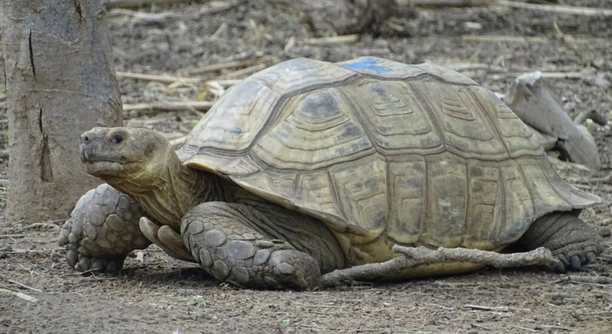
Sulcata tortoises are known for their calm and steady nature, but if your tortoise isn’t moving much, you may wonder what’s going on. Understanding the reasons behind their behavior can help ensure they stay healthy and happy.
The most common reasons your sulcata tortoise may not be moving much include environmental factors, health issues, or natural changes in behavior. A lack of proper temperature, hydration, or diet can cause sluggishness. Stress or illness can also contribute.
By recognizing these potential causes, you can take steps to address the issue. A few simple adjustments can make a big difference in your tortoise’s activity levels. Keep reading for tips on how to help your sulcata thrive!
Temperature and Humidity Imbalance
Sulcata tortoises are cold-blooded animals, meaning they depend on external temperatures to regulate their body heat. If the environment is too cold or too hot, they become sluggish and may even stop moving altogether. In captivity, it’s essential to keep their habitat at the right temperature range. During the day, they should have a basking area around 95°F to 100°F, and the cooler side of their enclosure should stay between 75°F and 85°F. If the temperature drops too low, their metabolism slows down, and they won’t feel motivated to move around.
A humidity level between 30% and 50% is also key for your tortoise’s well-being. Too much moisture can cause shell rot, while too little can result in dehydration, which impacts their energy levels and mobility. A proper balance will help keep your tortoise active and healthy.
Make sure to monitor their environment with a thermometer and hygrometer to ensure it’s comfortable for your tortoise. Adjusting these conditions can make a big difference in their behavior and overall health.
Poor Diet or Dehydration
If your sulcata tortoise isn’t eating enough or is not hydrated properly, their energy levels can plummet. A balanced diet of high-fiber, low-protein greens is essential. Dehydration can also leave them feeling weak and unmotivated.
A diet lacking in essential nutrients can leave your tortoise sluggish. Make sure to provide fresh, leafy greens like dandelion greens, collard greens, and grasses. Ensure there’s a constant supply of clean, fresh water. Adding a shallow water dish can encourage drinking.
Maintaining a proper diet and hydration routine is crucial to your tortoise’s health. If you notice them eating less or not drinking, it might be time to reassess their care routine. Dehydration is a significant concern and should not be ignored, as it can cause long-term health issues.
Stress from Environment or Handling
Stress can significantly impact your tortoise’s activity levels. A stressed tortoise may refuse to move, and it often leads to them hiding away or staying inactive for extended periods. This can happen if their environment is noisy, crowded, or unfamiliar. Sudden changes to their habitat, such as moving them to a new space, can also cause temporary stress.
Handling them too much or incorrectly can add to the stress. Tortoises are naturally solitary creatures and prefer peace. Their activity can slow down when they feel uncomfortable or threatened. Keeping their environment calm, quiet, and secure will help reduce anxiety, and they will start moving more as they regain confidence.
If you notice stress, try minimizing loud noises and limiting handling. Offering a hide or a safe space where they can retreat and feel secure will also make a big difference. Their activity will naturally increase when they feel safe again.
Illness or Injury
If your sulcata tortoise is injured or sick, it may stop moving. Illnesses like respiratory infections or shell problems can cause lethargy. Even minor injuries can affect their mobility. Pay attention to signs of discomfort, such as changes in eating habits, labored breathing, or an unusual posture.
Injuries to the limbs or shell can make moving painful for your tortoise. If you suspect your tortoise is unwell or injured, it’s important to consult a vet who specializes in reptiles. Early detection can prevent more serious complications. Keep an eye out for symptoms like swollen limbs, discharge, or shell cracking.
Not all signs of illness are obvious, so keep a watchful eye on their behavior. If they seem particularly sluggish, avoid handling them too much to reduce further stress. Seek veterinary help quickly if you’re unsure what’s causing their lack of movement.
Natural Behavior Changes
Sulcata tortoises, like many reptiles, may change their activity levels due to natural cycles, like mating or hibernation-like behavior. In colder months, some tortoises may become less active and spend more time resting. This is a normal part of their natural rhythm.
In the wild, they experience seasonal changes that dictate their activity. In captivity, it’s important to mimic these patterns as closely as possible. During the cooler months, your tortoise may not need as much movement to stay healthy. However, if they stop moving for extended periods, it may indicate an underlying issue.
It’s essential to provide a consistent routine and environment throughout the year. If your sulcata tortoise appears overly lethargic during warm months as well, it could signal a more significant concern. Always assess the temperature, humidity, diet, and any potential stressors before assuming it’s just natural behavior.
Overcrowded Enclosure
An overcrowded enclosure can make your sulcata tortoise feel stressed and cramped. Too many other animals or excessive decorations can limit their space and discourage movement. Ensure that your tortoise has enough room to roam around freely.
Tortoises need space to explore and exercise. If their enclosure is too small or overcrowded, they’ll feel restricted. This can cause lethargy, poor digestion, and stress, leading to reduced movement. A spacious and simple setup will allow them to move and explore freely. Always keep their enclosure clean and open to encourage natural behaviors.
Inconsistent Lighting
Inconsistent lighting can affect your sulcata tortoise’s activity. A lack of proper UVB light can cause lethargy and lead to metabolic bone disease. Proper lighting is essential for their health.
Without a consistent light source, your tortoise’s circadian rhythm may be disrupted, leaving them inactive. UVB lighting is vital for calcium absorption, and inadequate light can affect their overall energy levels. Make sure they have access to a UVB bulb for 10-12 hours a day. It’s also important to provide a regular day-night cycle to encourage healthy activity.
What is the ideal temperature for my sulcata tortoise?
The ideal temperature for a sulcata tortoise is between 95°F and 100°F in the basking area during the day. The cooler side of the enclosure should be between 75°F and 85°F. During the night, temperatures can drop to around 70°F. Make sure to have a gradient so your tortoise can move between warmer and cooler areas as needed. Consistent temperatures are key to keeping your tortoise healthy and active. If the temperature in their enclosure is too low, they may become sluggish and avoid movement, leading to potential health issues.
How often should I feed my sulcata tortoise?
Sulcata tortoises typically eat every other day, but their feeding schedule may vary depending on age and size. Younger tortoises may need to eat daily, while adults can be fed every two days. Their diet should consist mainly of fibrous grasses, hay, and leafy greens. Avoid high-protein foods or sugary fruits as these can harm their health. Make sure they always have fresh water available. Overfeeding can lead to obesity, so focus on providing a balanced, natural diet. An appropriate feeding schedule is essential to maintain their energy and activity levels.
What kind of bedding is best for my tortoise’s enclosure?
The best bedding for a sulcata tortoise is a substrate that retains moisture but also allows for good drainage. Popular choices include organic soil, coconut coir, and shredded aspen. Avoid using sand as it can cause digestive problems if ingested. The substrate should be deep enough to allow burrowing and comfortable movement. Keep it clean and dry, removing any waste daily to prevent mold or bacteria buildup. A proper bedding setup will help your tortoise feel secure and provide a comfortable place to explore.
Can sulcata tortoises be housed with other animals?
Sulcata tortoises should generally be kept alone, as they can be territorial and might not get along with other animals. If housed with other tortoises, ensure that the enclosure is large enough to give each tortoise its own space. Avoid keeping them with animals that may stress them out, such as small pets or aggressive species. If you do house them with other reptiles, make sure all the animals have similar habitat requirements to avoid conflict. Stress from other animals can cause your tortoise to become inactive, affecting their overall health.
How much space does my sulcata tortoise need?
Sulcata tortoises require plenty of space to roam, as they are naturally active creatures. The minimum enclosure size for a single adult sulcata tortoise is 100 square feet. For younger tortoises, smaller enclosures are fine, but they will need more room as they grow. A larger enclosure promotes natural behaviors, like walking and exploring, which helps keep them physically fit. If housed indoors, ensure the tortoise has enough room to roam, as they should not be confined to a small area for long periods. Outdoor enclosures are often best for providing the necessary space.
How can I tell if my tortoise is sick or injured?
Signs that your tortoise may be sick or injured include lethargy, lack of appetite, labored breathing, unusual posture, or visible swelling. If you notice any cuts, abrasions, or abnormalities on their shell, it may indicate an injury. Respiratory infections can cause wheezing or nasal discharge. A healthy sulcata tortoise should be active, alert, and eating regularly. If they are not moving, drinking, or eating, it is crucial to consult a reptile veterinarian for a proper diagnosis and treatment. Timely attention can prevent further complications and help your tortoise recover.
How do I keep my tortoise hydrated?
Hydration is essential for a sulcata tortoise’s health. While they get some moisture from the plants they eat, they also need access to fresh water. Ensure a shallow water dish is available at all times in their enclosure. Many tortoises may not drink right away but will learn to do so when they are thirsty. In addition, soaking your tortoise in lukewarm water once or twice a week can help with hydration. Make sure the water is not too deep to avoid drowning risks. Hydration is especially important in warmer months when they may become more active.
What should I do if my tortoise is not moving?
If your tortoise is not moving, it’s important to check for environmental factors first. Ensure the temperature, humidity, and lighting are within the proper ranges. If these conditions are correct, check for signs of stress, illness, or injury. If your tortoise is eating and drinking less, they might be dehydrated or suffering from a digestive issue. In cases of prolonged inactivity, consult a veterinarian. Inactivity can be caused by environmental discomfort, but it could also be a sign of more serious health issues that need to be addressed promptly.
Do sulcata tortoises need UVB light?
Yes, UVB light is essential for sulcata tortoises to absorb calcium and prevent metabolic bone disease. Without proper UVB exposure, your tortoise’s bones can weaken, and they may become lethargic. Make sure to provide UVB lighting in their enclosure for 10-12 hours a day. This light is crucial, especially for indoor tortoises, as it mimics the natural sunlight they would get in the wild. Without UVB, they may also have difficulty processing vitamin D, which can affect their health and activity levels.
How can I prevent my tortoise from becoming stressed?
Stress can have a major impact on a tortoise’s health and activity levels. To prevent stress, keep their environment quiet, calm, and consistent. Avoid loud noises or sudden movements around their enclosure, as these can frighten them. Don’t handle them too much, especially if they are not accustomed to it. Also, ensure they have enough space to move around freely without feeling crowded. By providing a secure, comfortable environment, your tortoise can feel safe and relaxed, which encourages movement and overall well-being.
Understanding why your sulcata tortoise isn’t moving as much is key to making sure they stay healthy and happy. It could be due to something simple, like a temperature imbalance in their enclosure, or it might be a sign of a more serious health issue. By paying close attention to their environment, diet, and overall well-being, you can make necessary adjustments that encourage more activity. Regularly checking their habitat, providing fresh food and water, and ensuring they are in a stress-free environment can go a long way in keeping them active.
However, it’s important to remember that some behavior changes are natural, especially during seasonal shifts. Sulcata tortoises, like other reptiles, can slow down during colder months or when they are preparing for a period of rest. So, while it’s normal for them to become less active at times, extended periods of lethargy or sudden changes in behavior should be taken seriously. If you’ve ruled out common environmental issues, a visit to the vet might be necessary to rule out any underlying health problems.
By providing the right care and paying attention to the details, your tortoise can stay active and healthy. Their needs may change as they grow, so keeping an eye on their behavior and adapting their environment accordingly is important. With the proper temperature, hydration, diet, and a low-stress habitat, you’ll ensure that your sulcata tortoise has everything they need to thrive and remain active throughout their life. If in doubt, always consult a reptile expert or vet to ensure your tortoise’s well-being.

Hello,
If you enjoy the content that we create, please consider saying a "Thank You!" by leaving a tip.
Every little bit helps us continue crafting quality advice that supports the health, happiness, and well-being of pets around the world, for pets of all shapes, sizes, and species.
We really appreciate the kindness and support that you show us!