
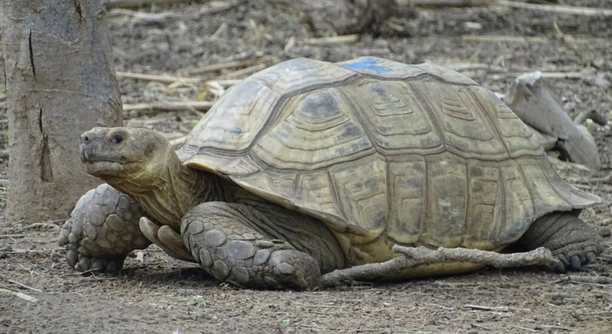
Sulcata tortoises are herbivores, and their diet is an essential part of their health and wellbeing. You might be wondering what foods are safe and beneficial for them, especially when it comes to leafy greens like spinach.
Sulcata tortoises can eat spinach, but it should only be given in moderation. Spinach contains high levels of oxalates, which can interfere with calcium absorption and potentially cause kidney problems if consumed too frequently.
There are a few important considerations when it comes to feeding spinach to your tortoise. Knowing how to strike a balance in their diet is key to keeping them healthy long-term.
Why Spinach Can Be Harmful to Sulcata Tortoises
Spinach may seem like a healthy option for your tortoise, but it’s not as straightforward as it appears. While spinach is packed with nutrients like vitamins A and C, it also contains oxalates. These naturally occurring compounds can bind to calcium in the body, reducing its absorption. Since calcium is crucial for the development of strong bones and shells, any food that interferes with its absorption can lead to health problems. Additionally, if your tortoise consumes too much spinach, it could result in kidney issues or even kidney failure over time.
Moderation is key when offering spinach to your sulcata tortoise. It’s best to feed it only occasionally, combined with other more calcium-rich greens. Over time, you’ll find a balance that works for your pet’s specific needs.
If you plan on offering spinach, ensure it’s just a small part of a broader, varied diet. This can help you avoid the risks associated with feeding it too often while still benefiting from its nutrients. Combining spinach with foods that promote calcium absorption is one way to help reduce potential harm. Keeping spinach to a minimum is the safest approach to ensure your tortoise stays healthy.
What You Should Feed Instead
Leafy greens like collard greens, dandelion greens, and mustard greens are much safer choices for your tortoise. These provide the necessary nutrients without the risks associated with spinach.
Risks of Feeding Spinach Too Often
Feeding spinach too frequently can lead to calcium deficiency. The high oxalate content in spinach binds to calcium, making it harder for your tortoise to absorb this essential nutrient. Over time, this can lead to bone softening or shell deformities. These health issues are often irreversible if not caught early, so it’s important to keep spinach as an occasional treat rather than a regular part of their diet.
A diet with too much spinach can also result in kidney issues. High oxalates contribute to the formation of calcium oxalate crystals, which may build up in the kidneys. This can lead to pain and discomfort and, in severe cases, kidney failure. By limiting spinach intake, you can avoid these potential long-term issues and keep your tortoise healthy.
Spinach also contains moderate amounts of goitrogens, substances that can interfere with thyroid function when consumed in large amounts. While this is less of a concern compared to calcium issues, feeding too much spinach over time could impact your tortoise’s overall health and growth. It’s essential to provide a variety of greens to avoid potential imbalances.
How to Incorporate Spinach Into a Balanced Diet
If you want to give your sulcata tortoise spinach, always balance it with other safe foods. Try offering it alongside other greens that are rich in calcium, such as kale or collard greens. This will ensure they’re still getting the necessary nutrients. You can offer small amounts of spinach once or twice a week, but it should never be a staple of their diet.
Mixing spinach with a variety of leafy greens also helps provide a more complete nutritional profile. For example, dandelion greens, which are rich in calcium, can help offset the negative effects of spinach. The key is variety, making sure your tortoise gets all the vitamins and minerals it needs without overdoing any single food.
How Much Spinach Is Safe for Sulcata Tortoises?
A small amount of spinach, once or twice a week, is generally safe for your tortoise. The key is moderation. Too much can cause health issues over time, so it’s important to balance spinach with other vegetables. Keep portions small, ensuring it’s not the main part of their diet.
It’s best to feed spinach in combination with calcium-rich greens. This ensures your tortoise gets enough nutrients without the risks of calcium absorption interference. A variety of greens can prevent any single food from negatively affecting their health.
The Importance of Variety in a Tortoise’s Diet
Sulcata tortoises thrive on a diet that includes a wide range of leafy greens, grasses, and flowers. Including a variety of greens ensures they get the nutrients they need for bone health, digestion, and overall well-being. Consistently offering only one or two types of food can lead to deficiencies and imbalance.
A healthy diet for your tortoise includes high-fiber grasses and calcium-rich leafy greens, avoiding foods that may cause nutritional problems. When providing a variety of foods, aim for organic sources to limit exposure to pesticides. This approach will help prevent health issues and ensure your tortoise remains healthy in the long run.
Other Safe Leafy Greens to Feed Sulcata Tortoises
Collard greens, mustard greens, and dandelion greens are safe options. They provide the right balance of nutrients and calcium for your tortoise’s health.
FAQ
Can I feed spinach to my sulcata tortoise every day?
No, spinach should not be fed daily to your sulcata tortoise. It contains oxalates, which can interfere with calcium absorption, potentially leading to health issues like soft bones and shells. Feeding spinach too often may also increase the risk of kidney problems. It’s best to limit spinach to once or twice a week and combine it with other safe, calcium-rich greens to balance your tortoise’s diet.
What happens if I feed my tortoise too much spinach?
Feeding too much spinach can cause calcium deficiencies over time. The high oxalate levels in spinach bind to calcium, preventing your tortoise from absorbing enough of this essential nutrient. This can result in bone and shell deformities. Excessive spinach intake may also lead to kidney issues due to the buildup of calcium oxalate crystals. For these reasons, moderation is crucial.
Are there any benefits to feeding spinach to my sulcata tortoise?
Spinach does offer some nutritional benefits. It’s rich in vitamins A and C, as well as antioxidants. These can contribute to overall health, immune function, and shell condition. However, these benefits should be weighed against the risks associated with spinach, especially when fed too often. A varied diet with calcium-rich greens will provide your tortoise with the nutrients they need without overloading them with oxalates.
Can I feed spinach and kale together to my tortoise?
Yes, you can feed spinach and kale together, but make sure to do so in moderation. Kale is a much better source of calcium compared to spinach, which will help balance out the oxalates in spinach. Combining them occasionally, as part of a varied diet, will provide your tortoise with different nutrients. Always ensure that the majority of their diet consists of calcium-rich and high-fiber foods.
What other leafy greens can I feed my sulcata tortoise?
Aside from spinach, sulcata tortoises enjoy a wide range of leafy greens. Safe options include collard greens, dandelion greens, mustard greens, and turnip greens. These greens are nutrient-rich and provide calcium and fiber, essential for your tortoise’s digestive health. Variety is key, so it’s best to rotate between these greens and other safe foods to ensure they get a balanced diet.
Can sulcata tortoises eat other vegetables like carrots or bell peppers?
Yes, sulcata tortoises can eat a variety of vegetables in moderation, including carrots and bell peppers. However, these should not be a major part of their diet. Vegetables like carrots are high in sugar, and while they’re not harmful in small quantities, they shouldn’t be offered in large amounts. Bell peppers can be a good source of vitamins, but again, should be given occasionally.
Can my sulcata tortoise eat fruits?
Fruits should be fed sparingly to sulcata tortoises. While they enjoy fruits like strawberries, melons, and bananas, these should only be offered as treats, as they are high in sugar. Overfeeding fruits can cause digestive upset and lead to obesity. Stick to offering fruits once every couple of weeks, with the majority of their diet coming from leafy greens, grasses, and flowers.
How much spinach should I feed my tortoise?
When feeding spinach, it should be just a small portion, no more than once or twice a week. A small handful mixed with other leafy greens is an appropriate serving. Remember that the focus of your tortoise’s diet should be on high-fiber, calcium-rich foods, so spinach should remain an occasional treat, not a staple.
What are the symptoms of kidney problems in tortoises?
If your sulcata tortoise suffers from kidney issues, you may notice symptoms such as excessive urination, lethargy, loss of appetite, or weight loss. Their shell may also become soft or show signs of deformities. If you suspect kidney issues, it’s important to take your tortoise to a vet for proper diagnosis and treatment. Preventing kidney problems by controlling spinach intake is the best approach.
Can I feed spinach if my tortoise is an adult?
Adult sulcata tortoises should still be given spinach in moderation. Although they are less prone to some of the health risks associated with overfeeding spinach, the oxalates in spinach can still interfere with calcium absorption. Maintaining a balanced diet with a variety of greens is essential at every stage of their life, whether they’re young or fully grown.
Can sulcata tortoises eat flowers?
Yes, sulcata tortoises can eat certain flowers, and they actually enjoy them. Flowers like hibiscus, dandelions, and clover are safe and nutritious for them. These flowers provide natural variety and nutrients in their diet. Just be sure to avoid flowers that have been treated with pesticides or chemicals. Stick to organic or pesticide-free flowers for the best results.
Final Thoughts
When it comes to feeding your sulcata tortoise, it’s important to remember that their diet plays a crucial role in their overall health and wellbeing. While spinach offers some nutritional value, such as vitamins A and C, it’s not the best choice for frequent feeding. The high oxalate content in spinach can interfere with calcium absorption, leading to potential bone and shell problems. This makes it essential to keep spinach as an occasional treat rather than a regular part of their meals. A varied diet that includes calcium-rich leafy greens and grasses will ensure that your tortoise gets the nutrients they need without the risks associated with overfeeding spinach.
Moderation and variety are key when feeding sulcata tortoises. While some foods, like spinach, should be offered only occasionally, others like kale, collard greens, and dandelion greens should make up the majority of their diet. Offering a range of vegetables and leafy greens will provide the necessary fiber, calcium, and other nutrients for a healthy digestive system and strong bones. Additionally, feeding your tortoise fresh, organic foods helps to avoid the risks of harmful chemicals and pesticides that can be found in non-organic produce. The more diverse their diet, the better their overall health will be.
By paying attention to the foods your sulcata tortoise eats, you can help them live a long, healthy life. Always monitor their diet and avoid overfeeding any one type of food, especially those that could cause nutrient imbalances. Ensuring they have access to fresh, calcium-rich greens, fiber-rich grasses, and the occasional treat like spinach can help your tortoise stay strong and thrive. By being mindful of their dietary needs and offering a variety of safe, nutritious foods, you can provide the best care possible for your tortoise.

Hello,
If you enjoy the content that we create, please consider saying a "Thank You!" by leaving a tip.
Every little bit helps us continue crafting quality advice that supports the health, happiness, and well-being of pets around the world, for pets of all shapes, sizes, and species.
We really appreciate the kindness and support that you show us!