
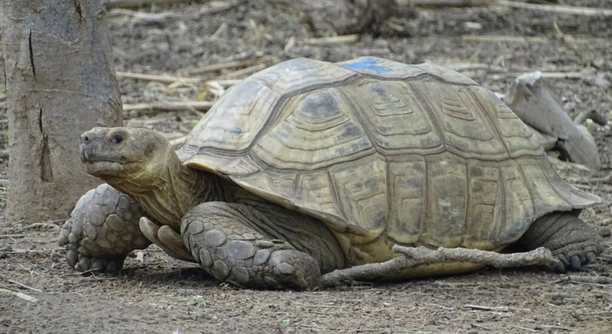
Sulcata tortoises are herbivores with specific dietary needs. Knowing what foods are safe for them to eat can be tricky, but it’s important for their health and well-being. One food many wonder about is pumpkin.
Sulcata tortoises can eat pumpkin in moderation. It provides valuable nutrients like vitamin A, fiber, and antioxidants, which support their overall health. However, too much pumpkin can cause digestive issues or an imbalance in their diet.
Pumpkin can be a tasty and nutritious addition to their meals, but understanding the right portion size is key. Let’s explore its benefits and potential risks for your sulcata tortoise.
Health Benefits of Pumpkin for Sulcata Tortoises
Pumpkin is rich in vitamins and minerals that can be beneficial for sulcata tortoises. It’s high in vitamin A, which is important for their eye health and immune system. Additionally, the fiber content helps with digestion, keeping things running smoothly in their system. Antioxidants found in pumpkin may also contribute to reducing inflammation and promoting overall health.
While it’s a healthy treat, pumpkin should not be the primary food in their diet. It works best as an occasional supplement to their regular leafy greens and hay. Offering a variety of foods ensures they receive all the necessary nutrients.
Adding pumpkin to your tortoise’s diet can be a good choice as long as it’s done carefully. Just make sure the pumpkin is cut into manageable pieces, and the seeds are removed. Avoid canned pumpkin that contains added sugars or spices, as these can be harmful. Fresh pumpkin is always the better option for their well-being.
Risks of Overfeeding Pumpkin
If your sulcata tortoise eats too much pumpkin, it could lead to digestive upset.
Feeding pumpkin in excess can upset the balance of their digestive system. Sulcata tortoises rely on high-fiber, low-calcium foods like grasses and leafy greens to stay healthy. Too much pumpkin can cause loose stools or lead to weight gain due to its high sugar content. Over time, this could affect their overall health, making them more prone to obesity or digestive issues. To avoid this, it’s best to only give pumpkin occasionally, offering other healthy options as their main food source.
How to Prepare Pumpkin for Your Sulcata Tortoise
When preparing pumpkin for your tortoise, start by choosing fresh, ripe pumpkin. Cut it into small, manageable pieces that your tortoise can easily nibble on. Removing the seeds is important, as they can pose a choking hazard or cause digestive problems. Avoid any pumpkin that has been cooked or contains added seasonings.
Raw pumpkin is ideal because it preserves the nutrients that are beneficial for your tortoise. Simply remove the rind if you prefer, though some tortoises may enjoy nibbling on it. Wash the pumpkin thoroughly to remove any pesticides or dirt before feeding. Keep portions small to avoid overfeeding.
Serve the pumpkin in small portions as a treat, and not as a primary food source. A few times a week is plenty, and it can be mixed with their other leafy greens. This variety will ensure your sulcata tortoise gets a well-rounded diet. Keep an eye on their reactions and make sure they digest it without any issues.
Signs of Digestive Issues After Eating Pumpkin
If you notice loose stools or a decrease in your tortoise’s appetite after offering pumpkin, it might be a sign that they’re eating too much.
Excess pumpkin can lead to gastrointestinal problems in sulcata tortoises. Since pumpkin is relatively high in water content, it may cause diarrhea if consumed in large amounts. Keep track of your tortoise’s stool consistency after offering new foods. If the digestive upset lasts for more than a day, it’s a good idea to cut back on pumpkin and return to their regular diet. It’s also crucial to monitor their water intake, as diarrhea can lead to dehydration.
Tortoises are generally slow eaters, so be patient and watch for any signs of discomfort. If the issue persists, consult with a veterinarian to rule out other potential problems. Maintaining a balanced diet will help keep your tortoise healthy and avoid these issues in the future.
Can Sulcata Tortoises Eat Pumpkin Seeds?
While it may seem natural to offer pumpkin seeds, they are best avoided. Seeds can be a choking hazard, especially if they’re too large for your tortoise to swallow properly. Additionally, they have high-fat content, which isn’t ideal for their diet.
If you do want to feed them seeds, remove them from the pumpkin and crush them into smaller pieces. However, it’s better to focus on offering them vegetables and leafy greens that provide better nutrition for their specific needs.
Alternative Foods to Offer Your Sulcata Tortoise
Sulcata tortoises thrive on a diet of grasses, hay, and leafy greens. These foods provide the necessary fiber and calcium for their health.
In addition to the usual greens like dandelion and collard greens, try offering safe fruits and vegetables in moderation. Examples include squash, bell peppers, and leafy lettuces. It’s important to remember that variety is key. You can also introduce flowers like hibiscus and pansies, which are safe for tortoises to consume. Mixing things up will help keep their diet balanced and interesting.
When to Avoid Feeding Pumpkin to Your Sulcata Tortoise
If your tortoise has a history of digestive issues or obesity, pumpkin may not be the best treat.
Since pumpkin is high in sugar and water content, it can cause problems for tortoises with sensitive stomachs or weight management issues. If your sulcata is already struggling with digestive upset or gaining weight, it’s wise to skip the pumpkin entirely. Instead, focus on offering foods that promote better digestion and health, such as high-fiber grasses and low-sugar vegetables.
Can Sulcata Tortoises Eat Cooked Pumpkin?
It’s best to avoid feeding cooked pumpkin to your sulcata tortoise. Cooked food often loses some of its nutritional value, and it can alter the texture, making it harder for your tortoise to digest. While they can technically eat cooked pumpkin, it’s much safer and healthier to stick to raw pumpkin. Raw pumpkin preserves all of its vitamins and fiber, which are essential for a sulcata’s diet. If you do choose to offer cooked pumpkin, ensure it has no added oils, spices, or sugars, as these can harm your tortoise’s digestive system.
How Often Can I Feed My Sulcata Tortoise Pumpkin?
Pumpkin should only be fed to your sulcata tortoise occasionally, no more than once or twice a week. Since pumpkin is rich in sugar and water content, it should not become a regular part of their diet. Too much pumpkin can disrupt their digestion, so moderation is key. Aim to balance their diet with more appropriate foods like grasses, hay, and leafy greens. You can mix pumpkin into their diet as a treat, but it should always be in small portions. Overfeeding could lead to digestive upset or an imbalance in nutrients.
Is Pumpkin Good for Sulcata Tortoises?
Yes, pumpkin can be beneficial for sulcata tortoises when fed in moderation. It is rich in vitamin A, which is important for vision and immune function, and high in fiber, which helps with digestion. The antioxidants in pumpkin can also support overall health and reduce inflammation. However, while pumpkin offers nutritional benefits, it should only be used as an occasional supplement to their regular diet of leafy greens and hay. Excessive pumpkin consumption can lead to weight gain or digestive issues, so it’s essential to serve it sparingly.
What Other Vegetables Can Sulcata Tortoises Eat?
Sulcata tortoises can eat a variety of safe vegetables. Some of the best choices include dandelion greens, collard greens, mustard greens, and turnip greens. You can also offer them vegetables like zucchini, bell peppers, and squash in moderation. Leafy greens should always be the base of their diet, as they provide the right balance of calcium and fiber. Avoid feeding vegetables high in oxalates, such as spinach, as they can interfere with calcium absorption. It’s important to vary their vegetable intake to provide a well-rounded diet that supports their health and well-being.
Can Pumpkin Cause Diarrhea in Sulcata Tortoises?
Yes, feeding too much pumpkin to your sulcata tortoise can cause diarrhea. Pumpkin is high in water content and fiber, which can lead to loose stools if consumed in large amounts. While a small amount of pumpkin is unlikely to cause harm, overfeeding can disrupt their digestive system. If your tortoise experiences diarrhea after eating pumpkin, reduce the amount you offer and observe their stool consistency. Make sure to provide fresh water to prevent dehydration, which can result from diarrhea. If the problem persists, consult with a veterinarian to ensure your tortoise is healthy.
Can Sulcata Tortoises Eat Pumpkin Skin?
Yes, sulcata tortoises can eat pumpkin skin, but it should be offered cautiously. The skin is not toxic, but it can be tough for some tortoises to chew and digest properly. If you plan to feed your tortoise the skin, make sure it is cut into smaller, manageable pieces. Some tortoises may enjoy nibbling on the skin, but it’s important to remove any dirt or pesticides before serving. If you’re unsure how your tortoise will react, it’s a good idea to start by offering just the flesh of the pumpkin and observing how they handle it.
Can I Feed My Sulcata Tortoise Canned Pumpkin?
Canned pumpkin is not recommended for sulcata tortoises, as it often contains additives like sugars, spices, or preservatives that can be harmful. These added ingredients are not suitable for their diet and could cause digestive issues. If you want to feed your tortoise pumpkin, it’s best to stick with fresh, raw pumpkin without any additional ingredients. Fresh pumpkin is free from harmful additives and provides the most nutritional value. Always check the label of canned pumpkin before considering it, but fresh pumpkin is a safer and healthier choice.
Are There Any Risks to Feeding Sulcata Tortoises Pumpkin?
Feeding pumpkin to your sulcata tortoise is generally safe when done in moderation. However, overfeeding pumpkin can lead to several risks. Due to its high water and sugar content, too much pumpkin can cause diarrhea or an upset stomach. Additionally, it is not a balanced food on its own and should not replace their primary diet of grasses and greens. Regularly feeding pumpkin in large amounts can also lead to obesity. As with any treat, pumpkin should be given sparingly and only as an occasional addition to their diet.
Can Pumpkin Help with Sulcata Tortoise Constipation?
Pumpkin can sometimes help with mild constipation in sulcata tortoises due to its high fiber and water content. The fiber in pumpkin aids in moving food through the digestive system, and the water helps hydrate the tortoise. If your sulcata is experiencing mild constipation, a small amount of pumpkin may offer some relief. However, if constipation persists, it’s important to consult a veterinarian to rule out other health concerns. A well-balanced diet, high in fiber, is crucial for maintaining healthy digestion in your tortoise. Regular access to fresh water is also important.
When considering pumpkin for your sulcata tortoise, it’s important to remember that moderation is key. While pumpkin offers some nutritional benefits, such as vitamin A, fiber, and antioxidants, it should only be served as an occasional treat. This ensures your tortoise gets the variety it needs for a balanced diet without overloading on sugar or water content. A healthy tortoise diet should mainly consist of leafy greens, hay, and grasses, which provide the right balance of nutrients and fiber that sulcata tortoises require. Pumpkin can certainly be a fun addition to their meals, but it shouldn’t be the main feature.
Overfeeding pumpkin can lead to potential digestive issues, including diarrhea, or contribute to weight gain. Since pumpkin is high in water and fiber, consuming too much of it can cause an upset stomach. When feeding pumpkin, be mindful of portion sizes and frequency to avoid these risks. It’s always best to observe how your tortoise responds to new foods. If you notice any signs of digestive upset or discomfort, it’s important to stop offering pumpkin and return to their regular diet. In any case, avoid feeding them canned pumpkin or pumpkin with added ingredients, as these can be harmful to their health.
In conclusion, pumpkin can be a healthy and enjoyable treat for your sulcata tortoise when offered in moderation. Keep in mind that a well-rounded diet is essential for your tortoise’s long-term health. You can occasionally introduce safe vegetables and fruits, like pumpkin, but always prioritize their main diet of fresh, fiber-rich greens and grasses. By offering a variety of foods and paying attention to portion sizes, you’ll be able to provide your tortoise with a balanced, healthy, and safe diet that supports its well-being.

Hello,
If you enjoy the content that we create, please consider saying a "Thank You!" by leaving a tip.
Every little bit helps us continue crafting quality advice that supports the health, happiness, and well-being of pets around the world, for pets of all shapes, sizes, and species.
We really appreciate the kindness and support that you show us!