
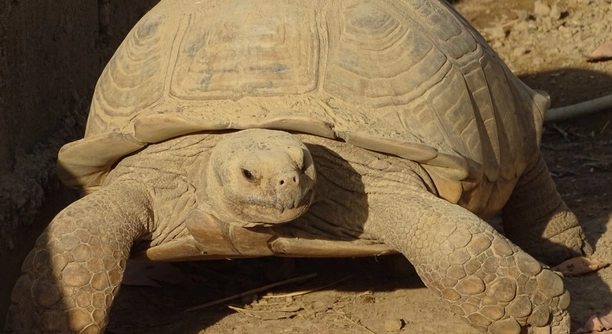
Vitamin A plays an important role in the health of your sulcata tortoise. Deficiency in this vitamin can lead to various health issues, so recognizing the signs early can make a big difference in their well-being.
A lack of vitamin A in sulcata tortoises can result in vision problems, respiratory infections, and poor shell growth. It’s essential to provide them with foods rich in this vitamin to avoid such health concerns.
Understanding the symptoms of vitamin A deficiency is crucial for maintaining the health of your sulcata tortoise. Addressing these signs early ensures they live a long, healthy life with proper care and nutrition.
1. Vision Issues
Vitamin A is essential for maintaining healthy vision in sulcata tortoises. Without enough vitamin A, they may struggle with vision problems, such as cloudy eyes or difficulty seeing clearly. This can make them hesitant to move around, impacting their ability to find food or interact with their environment. In severe cases, vision problems can lead to blindness, which is a significant concern for their quality of life.
If you notice your sulcata tortoise squinting or having difficulty focusing on objects, it might be a sign of vitamin A deficiency. This issue can develop gradually, and catching it early is vital to prevent lasting damage. By ensuring they have access to a balanced diet with sufficient vitamin A, you can help protect their eyesight.
Feeding your tortoise foods like leafy greens, carrots, and squash can help prevent vision issues linked to vitamin A deficiency. These foods are rich in beta-carotene, which the body converts into vitamin A. Regularly offering these types of vegetables will improve their overall health and prevent complications.
2. Respiratory Problems
A lack of vitamin A can also lead to respiratory issues. This vitamin supports the health of mucous membranes, which help protect the respiratory system. Without it, your sulcata tortoise may experience nasal discharge, wheezing, or labored breathing. These signs indicate that their immune system is weakened and unable to fend off infections effectively.
When a sulcata tortoise becomes ill, it is critical to assess their diet and environment. If you see signs of a respiratory infection, it’s best to consult with a veterinarian, who can recommend the right course of action to address the issue.
To help prevent respiratory problems caused by vitamin A deficiency, it is crucial to ensure that your tortoise’s diet contains adequate levels of the vitamin. Foods rich in vitamin A, like kale, sweet potatoes, and bell peppers, are good options. You should also maintain proper temperature and humidity levels in their habitat, as these factors can affect their immune function. Taking steps to improve their diet and living conditions will help reduce the risk of respiratory infections and keep your tortoise in good health.
3. Poor Shell Growth
Vitamin A plays a vital role in maintaining healthy shell growth in sulcata tortoises. When there is a deficiency, the shell may become deformed or brittle. This can lead to significant health problems over time. Regularly checking your tortoise’s shell for any irregularities is key to spotting vitamin A deficiency early.
If your sulcata tortoise’s shell has become soft, flaky, or uneven, it could be a sign of vitamin A deficiency. Shell deformities can cause discomfort and may make it difficult for your tortoise to move properly. Additionally, weakened shells are more vulnerable to injuries or infections, which can further complicate your pet’s health.
Ensuring a diet rich in vitamin A will promote strong, healthy shell growth. Feed your tortoise a variety of vegetables like leafy greens, carrots, and squash. This will help maintain their shell’s integrity and prevent further damage. With proper nutrition, your tortoise’s shell can continue to grow strong and healthy over time.
4. Decreased Appetite
A sulcata tortoise with vitamin A deficiency may lose interest in food. This could lead to weight loss and further health problems if not addressed promptly. A healthy appetite is essential for proper growth and energy levels, so it’s important to observe any changes in eating behavior.
A decrease in appetite often results from a weakened immune system and general poor health. If your sulcata tortoise is not eating as much as usual, it may be an early sign of vitamin A deficiency. The tortoise may also show signs of lethargy, making it even more difficult for them to get the nutrition they need.
To prevent decreased appetite caused by vitamin A deficiency, continue offering a balanced, vitamin-rich diet. Including a variety of foods that provide essential nutrients can encourage your tortoise to eat. Keep their living environment clean and well-maintained as well. A suitable habitat and diet will help prevent loss of appetite and ensure their overall well-being.
5. Swollen Eyes
Swollen or inflamed eyes are a common sign of vitamin A deficiency in sulcata tortoises. The lack of this vitamin can affect the eyes, causing them to become puffy or watery. This should be addressed quickly to avoid more serious eye health issues.
If you notice your tortoise’s eyes are swollen or leaking, it could indicate a lack of vitamin A. Swelling can lead to pain and difficulty seeing, which can further affect their behavior and health. Early intervention through dietary changes can help reduce inflammation and improve their overall condition.
6. Skin Issues
Vitamin A is important for healthy skin in sulcata tortoises. Without enough of it, your tortoise may develop dry, flaky, or rough skin. This can lead to irritation and discomfort, making it harder for them to move around or bask properly.
Skin problems due to vitamin A deficiency can worsen over time if left untreated. Dryness or peeling skin may be the first signs that something is wrong. A poor diet, low in this essential vitamin, can prevent proper skin cell renewal and healing. You may also notice scabs or sores that can become infected. Ensuring a diet rich in vitamin A will help prevent such issues and keep your tortoise’s skin smooth and healthy. Vitamin A-rich foods like carrots and spinach are good for promoting skin health, reducing dryness, and encouraging proper healing.
FAQ
What are the best foods to provide vitamin A to my sulcata tortoise?
Leafy greens such as kale, collard greens, and dandelion greens are excellent sources of vitamin A. You can also provide orange vegetables like carrots, squash, and sweet potatoes. These vegetables contain beta-carotene, which the tortoise’s body converts into vitamin A. It’s important to offer a variety of these foods to ensure they get the right nutrients. Some fruits, such as papaya and cantaloupe, can also provide vitamin A, but should be given in moderation due to their high sugar content.
Can my tortoise get too much vitamin A?
Yes, it is possible for your tortoise to get too much vitamin A. Excessive amounts of vitamin A can lead to toxicity, causing issues like liver damage, loss of appetite, and weakness. To avoid over-supplementing, it’s best to stick to natural food sources rather than relying on supplements unless advised by a veterinarian. Moderation is key to providing a balanced diet that supports their health without causing harm.
How can I tell if my tortoise is getting enough vitamin A?
To ensure your sulcata tortoise is getting enough vitamin A, observe their behavior, shell growth, and overall health. Healthy tortoises should have clear, bright eyes, a smooth and strong shell, and a healthy appetite. If you notice any signs of vitamin A deficiency, such as swollen eyes, poor shell growth, or respiratory issues, it may indicate that they need more vitamin A in their diet. Regular vet check-ups can help monitor their nutrient intake and catch any deficiencies early.
Is it okay to feed my tortoise only one type of vegetable for vitamin A?
It is not recommended to feed your tortoise only one type of vegetable for vitamin A. A variety of vegetables ensures they get a broad range of nutrients. If you consistently feed them the same vegetables, they may miss out on other essential vitamins and minerals, leading to imbalances or deficiencies. Mixing up their diet with different vitamin A-rich vegetables like leafy greens, carrots, and squash is the best approach to support their health.
Can vitamin A deficiency be prevented in sulcata tortoises?
Yes, vitamin A deficiency can be prevented by providing a balanced diet that includes a variety of vitamin A-rich foods. Offering foods like dark leafy greens, carrots, and bell peppers ensures they get enough of this essential vitamin. Also, keeping their living environment clean and ensuring they have access to adequate sunlight or UVB lighting can help support overall health and prevent deficiencies.
Should I give my sulcata tortoise vitamin A supplements?
It’s generally better to rely on natural food sources of vitamin A rather than supplements. Supplements should only be used under the guidance of a veterinarian, as too much vitamin A can cause toxicity. If you’re unsure whether your tortoise is getting enough vitamin A from its diet, it’s a good idea to consult with a vet before giving supplements. They can help guide you on the proper dosage and ensure that your tortoise’s health is supported appropriately.
How can I help my sulcata tortoise with swollen eyes from vitamin A deficiency?
If your sulcata tortoise has swollen eyes due to vitamin A deficiency, you should first focus on adjusting its diet. Include more vitamin A-rich foods, such as leafy greens and orange vegetables, in their meals. If the swelling is severe or causing discomfort, it’s important to consult a vet for proper treatment. They may recommend topical treatments or other interventions to address the eye issues directly. Ensuring proper hydration and maintaining a clean living environment will also help prevent further complications.
How does vitamin A deficiency affect a sulcata tortoise’s shell?
Vitamin A is essential for the health and growth of a sulcata tortoise’s shell. Without enough of this vitamin, their shell may become soft, deformed, or develop irregular growth patterns. This can lead to discomfort and increased risk of infections or injuries. Ensuring your tortoise receives enough vitamin A will promote strong, healthy shell development, keeping them protected from harm.
Are there any environmental factors that affect vitamin A absorption?
Yes, certain environmental factors can impact your sulcata tortoise’s ability to absorb vitamin A. Proper UVB lighting is crucial for the synthesis of vitamin D3, which works with vitamin A to support healthy growth and immune function. If your tortoise does not receive sufficient UVB exposure, they may be at a higher risk for vitamin A deficiency. Make sure their habitat has adequate lighting and temperature to promote overall health and nutrient absorption.
How often should I feed my tortoise vitamin A-rich foods?
Vitamin A-rich foods should be offered to your sulcata tortoise daily as part of a balanced diet. Consistently providing these foods helps prevent deficiencies and supports overall health. Variety is key, so include different sources of vitamin A, such as leafy greens, carrots, and squash, to keep their diet nutritionally balanced.
Final Thoughts
Vitamin A is a crucial nutrient for sulcata tortoises, playing an important role in their vision, skin, respiratory health, and shell development. When a tortoise lacks enough vitamin A, it can lead to a range of health issues that can affect their quality of life. By understanding the signs of deficiency and providing a diet rich in vitamin A, you can help prevent many of these problems. Simple changes to their food, such as including more leafy greens, carrots, and other vegetables rich in this vitamin, can make a significant difference in their health.
It’s essential to recognize the early signs of vitamin A deficiency. Swollen eyes, poor shell growth, and a decrease in appetite are just a few of the indicators that something might be wrong. If you notice any of these signs, adjusting their diet and consulting with a veterinarian can help address the issue before it becomes more serious. In some cases, simply adding vitamin A-rich foods to their meals will be enough to reverse mild deficiencies. However, more severe issues may require professional care and treatment. Always monitor their behavior and health closely to catch problems early.
Maintaining a balanced diet is key to the long-term health of your sulcata tortoise. Along with vitamin A, they also need other nutrients like calcium, fiber, and protein. Offering a variety of foods will help meet all their dietary needs. Ensuring they have access to UVB light, a clean living environment, and proper hydration also plays a significant role in their overall well-being. By providing the right care and paying attention to their nutritional needs, you can help your sulcata tortoise live a long and healthy life.

Hello,
If you enjoy the content that we create, please consider saying a "Thank You!" by leaving a tip.
Every little bit helps us continue crafting quality advice that supports the health, happiness, and well-being of pets around the world, for pets of all shapes, sizes, and species.
We really appreciate the kindness and support that you show us!