
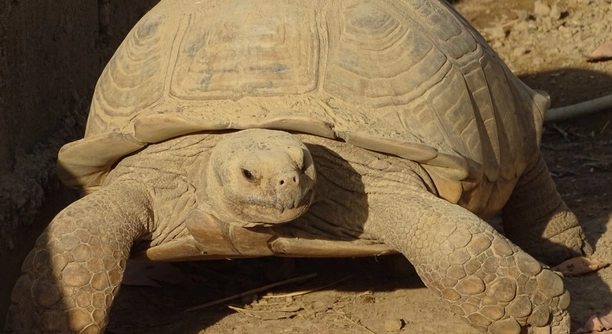
Caring for a Sulcata tortoise can be rewarding, but handling them properly is important for both your comfort and their well-being. If you want to avoid causing stress to your tortoise, there are simple steps you can follow.
To handle a Sulcata tortoise without stressing it, maintain calmness and gentle movements. Support the tortoise’s body fully and avoid sudden grabs or rough handling, as these can cause anxiety or harm. Ensure their environment is safe and calm.
Understanding how to properly handle a Sulcata tortoise can make a big difference in your relationship with it.
Understanding Sulcata Tortoise Behavior
Sulcata tortoises are naturally curious and enjoy exploring their surroundings. They may be slow-moving, but they have a strong sense of their environment. It’s essential to remember that they can feel threatened if handled too abruptly or incorrectly. When they sense danger or discomfort, they may withdraw into their shells, which is their natural defense. To avoid this, it’s important to understand the signals your tortoise is sending. A calm, slow approach will help them feel secure and reduce stress. Take time to learn their body language and movements, which will allow you to build trust.
When handling your Sulcata tortoise, always move gently and without sudden motions. Sudden actions can startle them and lead to stress. Respect their need for space while also considering their comfort and safety. Always prioritize their well-being in any interaction.
A consistent routine and a peaceful atmosphere make it easier for the tortoise to feel safe. Keeping their habitat quiet and free from loud noises or sudden changes helps them remain calm. Over time, they will become more accustomed to handling as they associate it with safety and care.
Best Ways to Pick Up a Sulcata Tortoise
When you need to pick up your Sulcata, the most important thing is to support its body properly. Always ensure you hold them under their shell, never by the legs or tail, as this can cause injury. Gently lift them using both hands, keeping their body balanced. Do not try to lift them by their limbs or make quick movements. Holding them too tightly or lifting them too high can also stress them out. For short periods, you can let the tortoise roam on a safe, flat surface, but avoid keeping them off the ground for too long.
If you need to transport them, ensure they are placed in a secure, comfortable carrier. A soft towel or cushion can be used to prevent them from feeling too unsettled during the move. Avoid putting them in a situation where they could feel trapped or unsafe. Moving them slowly and calmly helps reduce their stress levels.
Avoiding Stressful Environments
A stressful environment can make handling a Sulcata tortoise much harder. They are sensitive to noise and movement, so try to keep their surroundings calm and peaceful. A quiet space will help them feel secure when being handled. Sudden changes in their habitat can also be unsettling, so try to maintain consistency.
Try to limit loud sounds and fast movements near your tortoise, as these may startle them. It’s also best not to introduce any new objects or animals into their space unexpectedly. If you need to clean their enclosure or change their setup, do so slowly and carefully. Give them time to adjust to any changes before picking them up. This will help your tortoise feel more comfortable and less stressed when it’s time to handle them.
Sudden changes in light or temperature can also affect their stress levels. Make sure the lighting in their habitat is consistent, and avoid putting them in overly bright or dark spaces. Ensuring a comfortable and predictable environment will make the handling process smoother and less stressful for them.
Proper Handling Techniques
When picking up your Sulcata tortoise, always lift it gently with both hands, supporting the underside of its shell. Never pick it up by its legs or tail. A slow, steady lift is key to preventing panic or discomfort. Keep the tortoise close to your body to provide extra security.
Once in your hands, hold the tortoise comfortably but securely, and try to avoid quick movements. This helps prevent stress. It’s important to remember that tortoises, though tough, are delicate and can easily become stressed by jerky or sudden motions. Hold them low to the ground when possible, in case they try to escape, so they won’t be hurt. Being mindful of their body and shell during this process is crucial. This ensures that your tortoise feels safe and supported throughout the experience.
Handling Duration
It’s important to avoid holding your Sulcata tortoise for too long. Extended handling can cause stress and discomfort. Keep the duration short, especially when your tortoise is still getting used to being picked up. Try not to exceed 10-15 minutes at a time.
If you notice your tortoise becoming restless or trying to retreat into its shell, it’s a sign that it’s time to put them down. Repeated long handling sessions can cause anxiety and even physical strain. It’s better to gradually increase handling time, allowing the tortoise to become more comfortable with the process. Always pay attention to their behavior and stress signals.
Recognizing Stress Signs
Sulcata tortoises can show several signs of stress when handled improperly. These include retracting into their shells, excessive squirming, and vocalizations such as hissing or whining. Keep a close eye on your tortoise’s body language to ensure it feels safe and secure.
If you see these signs, immediately stop handling them. Give them space to relax and recover. These behaviors are their way of communicating discomfort or fear, so responding appropriately helps them feel safer. Avoid forcing your tortoise to stay out of its shell. Instead, let them retreat if needed.
Tortoise Interaction
Spending time with your Sulcata tortoise outside of handling is important. Allow them to roam in a safe, enclosed space where they can explore freely. This will help them stay active and healthy. Tortoises enjoy interacting with their environment, and this type of stimulation can improve their overall well-being.
FAQ
How can I tell if my Sulcata tortoise is stressed?
Signs of stress in a Sulcata tortoise include hiding in their shell, excessive squirming, hissing, or retreating from human interaction. If your tortoise becomes overly still or shows no interest in its surroundings, it might also indicate stress. Observing body language is key—if they seem tense or uncomfortable, it’s best to give them space and time to calm down.
How often should I handle my Sulcata tortoise?
Handling your Sulcata tortoise too often can lead to stress, so it’s important to strike a balance. Try handling them no more than 2-3 times a week for short sessions. Always watch for signs of discomfort during and after each handling. The key is to keep interactions calm and positive without overwhelming your tortoise.
Can I bathe my Sulcata tortoise?
Yes, bathing your Sulcata tortoise is a great way to keep them hydrated and clean. However, don’t overdo it. A gentle soak in lukewarm water for 10-15 minutes once or twice a week should suffice. Never submerge them in too deep water, and make sure they have a way to exit the bath. Always dry them thoroughly afterward to avoid shell rot.
Should I allow my Sulcata tortoise to roam outside?
Sulcata tortoises enjoy being outside, but only in a secure, safe area. The outdoor space should be free from potential predators, chemicals, and areas where they can escape. Always supervise their time outside to ensure they don’t get too hot, as they can easily overheat. A shaded area with access to water is essential for their comfort.
Can I use a leash on my Sulcata tortoise?
Using a leash on a Sulcata tortoise is generally not recommended. Their natural movement is slow and steady, and a leash can cause stress or discomfort by restricting their ability to move freely. It’s better to let them explore on their own in a safe, enclosed space where they can roam freely without restraint.
How do I know if I’m picking up my Sulcata tortoise correctly?
Always pick up your Sulcata tortoise with both hands, supporting the body and shell. Never grab them by their legs, tail, or head. Hold them low to the ground in case they get startled and try to escape. Ensure that their body is balanced, and avoid quick or jerky movements.
What kind of enclosure is best for my Sulcata tortoise?
Sulcata tortoises require a large, secure outdoor enclosure that mimics their natural environment. They need plenty of space to roam and graze. The enclosure should have areas of both sun and shade, as well as access to fresh water. If kept indoors, they need a spacious habitat with a heat source, UVB lighting, and proper humidity levels to replicate their natural environment.
What should I feed my Sulcata tortoise?
Sulcata tortoises are herbivores, so their diet mainly consists of high-fiber plants such as grasses, leaves, and weeds. You can also offer leafy greens like dandelion greens, collard greens, and mustard greens. Avoid feeding them high-protein foods or fruits regularly, as this can lead to health problems.
How can I make my Sulcata tortoise feel more comfortable with handling?
Start slow and gentle. Let your Sulcata tortoise get used to your presence before attempting to handle it. Gently lift them when they seem calm and comfortable in their environment. Avoid picking them up in stressful situations and ensure their space is calm and safe. Gradually increase handling time as they become more familiar with you.
Can I keep multiple Sulcata tortoises together?
While Sulcata tortoises can live together, it’s important to ensure that they have enough space. Males can sometimes become territorial, so it’s best to keep them separate unless you have a large enclosure. Female tortoises generally do better together but should still have enough room to roam freely. Monitor interactions for signs of aggression or stress.
How do I ensure my Sulcata tortoise is healthy?
Regularly check your Sulcata tortoise for signs of illness, including changes in eating habits, energy levels, or behavior. Make sure they have a balanced diet and clean water. Provide proper lighting, temperature, and humidity in their enclosure to keep them healthy. Also, regular check-ups with a reptile vet can help catch any health problems early.
Final Thoughts
Handling a Sulcata tortoise requires patience and care. It’s important to be mindful of their comfort and well-being at all times. They can easily get stressed, so keeping handling sessions short and calm is key. By supporting their body correctly and paying attention to their body language, you can avoid causing them unnecessary distress. Understanding their needs and behavior helps build a stronger bond with your tortoise and ensures that both of you feel more comfortable during interactions.
Creating the right environment for your Sulcata tortoise is also essential. Whether they are indoors or outdoors, a secure, calm, and clean space will allow them to thrive. Consistent temperature, proper lighting, and humidity are important factors that need attention. Their habitat should provide enough space for them to roam, graze, and hide when needed. A peaceful environment without sudden changes or loud noises will make handling much easier. Remember, these tortoises are naturally calm creatures, but they need time to adjust to changes, including human interaction.
In the end, handling your Sulcata tortoise isn’t just about picking them up but creating a trusting, stress-free relationship. With time, you’ll learn to understand their signals and know when to let them be. By respecting their space, reading their behavior, and keeping handling sessions calm, your Sulcata tortoise will feel safe and secure. Every tortoise is different, so it’s important to observe and adjust based on your individual tortoise’s personality and preferences. Your attention to their comfort will result in a better experience for both of you.

Hello,
If you enjoy the content that we create, please consider saying a "Thank You!" by leaving a tip.
Every little bit helps us continue crafting quality advice that supports the health, happiness, and well-being of pets around the world, for pets of all shapes, sizes, and species.
We really appreciate the kindness and support that you show us!