
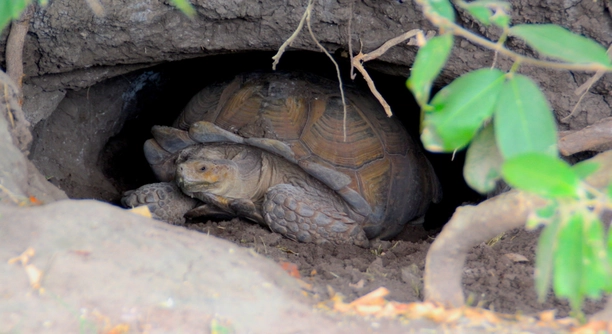
Sulcata tortoises are known for their unique behaviors, and one action that can seem puzzling is when they scrape their beaks. Understanding why they do this can help you better care for your tortoise and address any concerns.
The scraping of a sulcata tortoise’s beak is typically a natural behavior linked to its need to maintain beak health. It may also scrape to help wear down its beak, as it continues to grow throughout its life, or to manage food particles.
This behavior may be more than just a quirky habit, and there are several factors to consider when trying to understand it.
Why Do Sulcata Tortoises Scrape Their Beak?
Sulcata tortoises have a habit of scraping their beaks against surfaces, which might seem unusual but is actually part of their natural behavior. Their beaks, much like their shells, continue to grow throughout their lives. In the wild, they often encounter rough surfaces that help wear down their beaks. This behavior helps maintain the proper shape and size of their beak, preventing overgrowth. Additionally, they may scrape their beaks as a way to clean them after eating or to help dislodge any leftover food. This is completely normal and generally not something to worry about unless it seems excessive or causes damage.
While scraping is natural, it’s important to pay attention to the frequency and intensity of the behavior. If it becomes more aggressive, it could signal something else, like an issue with diet, enclosure conditions, or even stress. It’s essential to observe the overall health of your tortoise and ensure they have appropriate surfaces to maintain their beak health.
A proper diet rich in fibrous plants, as well as access to rough surfaces such as rocks or unpolished wood, can help your tortoise maintain their beak health. Regularly providing them with these elements can prevent overgrowth or malformation. However, scraping beaks can sometimes indicate underlying issues, such as an inadequate diet or lack of proper environmental conditions. If your tortoise seems to be scraping excessively, it might be time to reevaluate what’s available in their habitat.
Signs of Overgrown or Damaged Beak
If your tortoise’s beak appears overly long or misshapen, scraping may be a way of trying to manage the growth. Overgrown beaks can lead to difficulty in eating or even discomfort. Additionally, damaged beaks can cause problems with feeding and overall health. Keeping an eye on their beak shape will allow you to identify any signs of potential issues early on.
Beak health is essential for your tortoise’s well-being, as it impacts their ability to eat and interact with their environment. If the beak seems problematic, consult a vet with experience in reptile care. They can assess whether trimming or other interventions are needed.
The Role of Diet in Beak Health
A healthy diet is essential for keeping your sulcata tortoise’s beak in good shape. Without the right nutrients, the beak may grow too quickly or become malformed. Make sure your tortoise has access to high-fiber plants, such as grasses and hay, which help naturally wear down the beak.
Feeding your sulcata a diet rich in fiber not only supports their beak but also their overall digestive health. A variety of leafy greens and occasional vegetables can be provided to balance their diet. Avoid feeding too many fruits or high-calcium foods, as this can affect their shell and beak growth. Offering a consistent, well-rounded diet ensures your tortoise’s beak remains in optimal condition without excessive scraping.
If your tortoise isn’t getting enough fiber, it could lead to improper beak growth, which may cause scraping. It’s important to ensure they are eating the right foods and have access to a variety of rough surfaces in their habitat to help maintain proper beak size. Monitoring the type of food they consume and adjusting their diet accordingly can make a big difference in the long run.
Proper Habitat for Beak Maintenance
The environment your sulcata tortoise lives in plays a significant role in maintaining healthy beaks. They need access to rough, textured surfaces like rocks, logs, or unpolished wood. These surfaces help naturally wear down their beak as they scrape against them.
Providing the right environment also prevents overgrowth or abnormal beak formation. Sulcata tortoises in captivity can miss out on the rough natural terrain they would encounter in the wild. Adding elements like rough stone tiles or branches in their enclosure can simulate these conditions. Keeping their enclosure large enough for roaming also encourages natural behaviors that promote beak health. Without the proper habitat, their beak may grow too long or sharp.
Maintaining a proper habitat goes beyond just adding rough surfaces. It’s important to ensure the enclosure has enough space for the tortoise to move freely. Space allows them to engage in natural behaviors like grazing and climbing, which support overall health. A comfortable and stimulating environment will help prevent behavioral problems, including excessive beak scraping.
Stress and Behavioral Factors
Stress can lead to abnormal behaviors in sulcata tortoises, including excessive beak scraping. Changes in their environment, such as new pets, loud noises, or even overcrowding, can cause distress. It’s important to monitor their reactions and adjust their surroundings to create a calm, stable habitat.
If your tortoise is constantly scraping its beak, stress might be a factor. These reptiles are sensitive to environmental changes, and even subtle disruptions can affect their behavior. Ensuring they feel secure in their enclosure will help reduce anxiety-related actions like excessive beak scraping. Keeping the area quiet and predictable can make a big difference.
Health Issues to Watch Out For
If beak scraping persists and becomes excessive, there may be underlying health issues. Infections or other mouth-related problems could cause discomfort, leading the tortoise to scrape more frequently. Check for signs of swelling, redness, or discharge around the beak.
Persistent scraping may indicate a need for veterinary attention. It’s important to consult a professional to rule out infections or injuries. A veterinarian will be able to assess whether the beak is malformed, infected, or if there’s another issue contributing to the scraping behavior.
FAQ
Why does my sulcata tortoise scrape its beak?
Scraping the beak is a normal behavior for sulcata tortoises. They do this to keep their beaks healthy, as their beaks continue to grow throughout their life. Scraping helps wear them down naturally. It also serves to clean the beak and remove any leftover food particles. However, excessive scraping could point to an underlying problem, such as stress, an unhealthy diet, or a health issue.
How can I prevent my sulcata tortoise from scraping its beak too much?
To prevent excessive beak scraping, make sure your tortoise has a balanced diet rich in fiber. This can be achieved by feeding them grasses and hay. Additionally, ensure their enclosure has rough surfaces, like rocks or logs, which will help naturally wear down the beak. A stable, calm environment is also key to reducing stress, which can lead to abnormal scraping behavior.
Can I trim my sulcata tortoise’s beak?
Trimming a sulcata tortoise’s beak should only be done by a professional. Over-trimming can cause more harm than good. If you notice that the beak is growing too long or becoming deformed, consult a reptile vet. They can determine whether trimming or other corrective measures are necessary. Trying to trim it yourself can lead to injury or infection.
How do I know if my tortoise’s beak is growing too long?
If your tortoise’s beak appears excessively long or sharp, it could be growing too fast. An overgrown beak may make it harder for the tortoise to eat properly and could cause difficulty in feeding. Look for signs of malnutrition or weight loss, as these can also indicate beak problems. If you notice abnormal growth, seek veterinary advice.
Is beak scraping related to stress in sulcata tortoises?
Yes, stress can contribute to excessive beak scraping. If your tortoise is feeling anxious due to environmental changes, such as loud noises, new animals in the household, or even a change in temperature, it may start scraping its beak more frequently. Providing a consistent and secure environment will help alleviate stress and reduce the behavior.
What are the signs of an unhealthy beak in a sulcata tortoise?
An unhealthy beak can show signs of swelling, cracking, or unusual growth patterns. If the beak is soft, damaged, or covered with a film of mucus or discharge, it may indicate an infection. In such cases, a visit to the vet is necessary to diagnose and treat the issue.
How often should I check my tortoise’s beak?
It’s important to regularly check your tortoise’s beak during routine health checks. You should examine it for any signs of overgrowth, cracks, or swelling. Keeping track of your tortoise’s overall health will help you spot any issues early. It’s a good idea to check the beak every few weeks, especially if your tortoise is showing signs of abnormal behavior.
Can I help my sulcata tortoise wear down its beak?
Yes, you can help your tortoise wear down its beak by providing access to rough surfaces like rocks, stones, and unpolished wood. These materials mimic natural environments where tortoises graze and interact with hard surfaces. You can also give your tortoise opportunities to chew on fibrous plants to naturally wear down the beak.
What should I do if my sulcata tortoise isn’t scraping its beak at all?
If your tortoise isn’t scraping its beak, it may indicate that they aren’t getting enough natural surfaces to interact with, or there could be a dietary issue. Make sure your tortoise has access to rough surfaces in their enclosure. Ensure they are eating enough fibrous plants to help maintain the proper beak length. If the behavior doesn’t change, consult a vet to rule out any health concerns.
Does the age of my sulcata tortoise affect its beak scraping?
Yes, younger sulcata tortoises may scrape their beaks more frequently as they are still growing and adjusting to their environment. As they mature, the scraping may become less frequent. However, it’s important to monitor the behavior at all stages of life to ensure that it remains normal and doesn’t indicate an underlying problem.
Can beak scraping cause injury to my tortoise?
If the scraping becomes excessive or aggressive, it can cause damage to the beak or the surrounding area. Over time, repeated scraping can lead to abrasions or infections. If you notice any signs of injury, such as redness, swelling, or discharge, it’s essential to consult with a veterinarian immediately to address any potential issues.
How do I maintain a healthy habitat for my sulcata tortoise?
A healthy habitat for your tortoise should include a spacious area with plenty of room to roam. Add rough surfaces, such as rocks, branches, and unpolished wood, for them to scrape their beaks against. Ensure the enclosure has proper lighting, heating, and humidity to create a comfortable and secure environment. Regular cleaning is also important to keep their living space free of bacteria and debris that could cause health issues.
What types of surfaces should I add to my tortoise’s habitat for beak maintenance?
Rough surfaces are key for beak maintenance. Natural rocks, unpolished wood, bricks, and tiles work well for this purpose. These materials will help your tortoise naturally wear down its beak as it interacts with them. Avoid smooth, polished surfaces that won’t provide enough friction for beak health.
Can overfeeding my tortoise lead to beak issues?
Overfeeding your tortoise, especially with high-calcium foods or fruits, can lead to excessive growth in the beak. This can cause the beak to become too long or misshapen, requiring extra maintenance to correct. Stick to a balanced, fibrous diet to help prevent beak-related problems. If you suspect overfeeding, adjust their diet accordingly and seek veterinary advice if needed.
Final Thoughts
Scraping is a normal behavior for sulcata tortoises, and it’s often linked to the natural need to wear down their growing beaks. This behavior is similar to how other animals maintain their claws or teeth. In the wild, tortoises would naturally encounter rough surfaces like rocks and branches, which help keep their beaks in good condition. Providing your tortoise with similar materials in their enclosure, such as unpolished wood or rough stones, will encourage natural beak wear. If you notice excessive scraping, however, it may indicate stress, dietary issues, or health concerns that need attention.
A well-balanced diet plays a big role in maintaining beak health. Sulcata tortoises thrive on a diet rich in fiber, primarily from grasses and hay. These foods help keep their beaks from growing too quickly or becoming deformed. Avoid feeding your tortoise too many fruits or high-calcium vegetables, as these can disrupt the balance needed for proper beak growth. Regularly providing fibrous plants will also help keep their digestive system healthy, preventing other related health issues. Monitoring their food intake and making sure they get the right nutrients is essential for keeping their beaks—and overall health—on track.
Lastly, it’s important to create a calm and secure environment for your tortoise. Stress can have a significant impact on their behavior, including excessive scraping. By providing a stable habitat with the proper temperature, lighting, and plenty of space, you can reduce the likelihood of stress-related behaviors. If you ever notice signs of injury or abnormal growth in your tortoise’s beak, or if the scraping becomes excessive, it’s best to consult a reptile vet. Addressing issues early on can help prevent more serious problems down the line, ensuring your sulcata tortoise stays happy and healthy.

Hello,
If you enjoy the content that we create, please consider saying a "Thank You!" by leaving a tip.
Every little bit helps us continue crafting quality advice that supports the health, happiness, and well-being of pets around the world, for pets of all shapes, sizes, and species.
We really appreciate the kindness and support that you show us!