
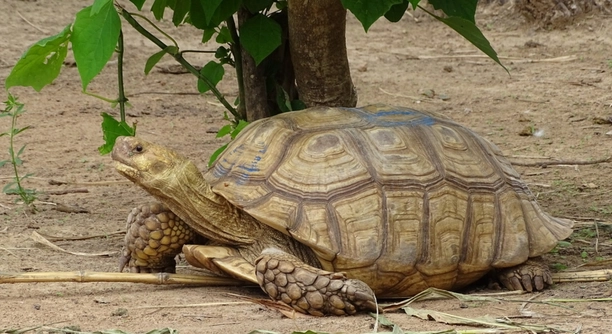
A Sulcata tortoise’s environment plays a crucial role in its well-being. Providing them with a proper habitat is essential for their health and happiness. A few thoughtful adjustments can make a big difference in their day-to-day life.
The best way to enrich a Sulcata tortoise’s environment is by ensuring it is spacious, safe, and provides ample opportunities for natural behaviors. Include items like rocks, burrows, and varied textures to encourage exploration and physical activity.
Creating an enriching environment for your Sulcata tortoise will help ensure its long-term happiness and health.
Create a Spacious and Safe Enclosure
A spacious enclosure allows your Sulcata tortoise to roam freely, mimicking the vast open spaces they would experience in the wild. These tortoises are naturally curious and enjoy exploring their surroundings. A larger enclosure also gives them room to find warmth, hide when needed, and avoid stress. Make sure the space is secure with high walls or fencing to prevent escape, as these tortoises can be surprisingly strong.
A safe and enclosed area reduces the chances of injury or getting lost. The walls should be high enough to keep your tortoise in and sturdy enough to withstand their movements. Having a reliable barrier gives them the freedom to explore without worry.
When considering space, think about providing enough room for the tortoise to move, hide, and interact with the environment. It also allows you to incorporate features like plants, rocks, and digging areas. This setup will help maintain your tortoise’s physical and mental well-being.
Add Natural Elements
Including rocks, logs, and plants in the enclosure will make it feel more like the tortoise’s natural habitat. These items offer variety and encourage exercise.
Rocks and logs provide both hiding spots and opportunities for climbing. A variety of surfaces also helps stimulate their curiosity. Safe, non-toxic plants such as hibiscus or dandelion can further enrich the space, giving your tortoise natural food sources and areas to explore. These additions will engage your tortoise and make their enclosure feel more dynamic. Adding such elements mimics their environment, helping them feel more at home.
Provide Proper Lighting and Temperature
Maintaining the right temperature and lighting is crucial for your Sulcata tortoise. They need a basking area with heat, as well as a cooler zone for retreating.
A heat lamp is essential to keep the basking spot around 95°F, while the rest of the enclosure should remain between 75°F and 85°F. UVB light is equally important for vitamin D3 synthesis, which helps in calcium absorption. Without proper lighting, their health could be compromised. The UVB light should be on for 10-12 hours a day to mimic natural daylight.
Using a thermometer and hygrometer can help monitor the temperature and humidity levels effectively. This will help prevent the environment from becoming too hot or cold, which could stress your tortoise. Adjusting the heat and humidity as needed will create a more comfortable space, encouraging your tortoise to explore and stay active.
Create Hiding Spots and Burrowing Areas
A Sulcata tortoise enjoys the opportunity to dig and hide. Providing areas where they can burrow is vital for their well-being.
Offer materials like soil, sand, and leaves to allow them to dig. The enclosure should include a place that mimics burrows in the wild, where they can feel safe. You can even add a covered hide to give them a sense of security. These spaces also provide mental stimulation, allowing your tortoise to engage in natural behaviors.
By adding a variety of burrowing areas, your tortoise can escape the heat, sleep, and feel secure. A proper hideout can reduce stress and help your tortoise feel at ease, encouraging more activity and lessens the chance of undesirable behaviors like aggression.
Offer a Variety of Foods
Sulcata tortoises are herbivores and enjoy a variety of plants. Providing a range of grasses, leaves, and edible flowers can help enrich their diet and environment.
Include leafy greens like dandelion, collard greens, and clover. Add flowers such as hibiscus or geraniums for variety. This will not only meet their nutritional needs but also encourage foraging behaviors.
By offering different types of food, your tortoise can engage in natural feeding habits. Changing the types of plants regularly will also keep things interesting and promote better digestion, contributing to overall health.
Ensure Proper Humidity Levels
Humidity plays an important role in the comfort and health of a Sulcata tortoise. Keeping humidity at an appropriate level helps maintain proper hydration and skin health.
If the environment is too dry, it can cause problems like shell damage or dehydration. Misting the enclosure lightly or providing a water dish can help raise humidity levels. Maintaining the right balance helps prevent respiratory problems and promotes a healthier tortoise. Regularly checking humidity will allow you to make adjustments as needed, ensuring your tortoise stays in a comfortable and safe environment.
FAQ
How much space does a Sulcata tortoise need?
Sulcata tortoises need a lot of space to roam. A minimum of 100 square feet is recommended for a single tortoise, though larger is always better. They are active and need room to explore and dig. Providing them with this space will prevent them from feeling stressed or cramped. If you’re keeping them indoors, you can create a large, secure enclosure with barriers to prevent escape. Outdoors, make sure the enclosure is well-fenced to keep them safe from predators and ensure they have access to sunlight and fresh air.
Can I keep my Sulcata tortoise indoors?
Yes, you can keep a Sulcata tortoise indoors, but it requires a lot of effort to provide them with a suitable environment. Indoor enclosures need to be large enough to accommodate their need for space, and you’ll need to ensure that the temperature and lighting are just right. A heat lamp is essential for a basking area, and UVB light should be provided for 10-12 hours a day. You must also monitor humidity levels to keep them comfortable. Regularly taking your tortoise outside for natural sunlight can help maintain their health.
What kind of food should I provide for my Sulcata tortoise?
Sulcata tortoises are herbivores and should be fed a diet of grasses, leafy greens, and edible flowers. They particularly enjoy high-fiber, low-protein foods. Offer them dandelion greens, clover, and hay like timothy or grass hay. You can also add some vegetables like collard greens, turnip greens, and zucchini. Be cautious with fruits as they should only be given sparingly. Avoid feeding them anything that is too high in oxalates or phosphorus, like spinach, as this can affect their health in the long term.
How do I know if my Sulcata tortoise is healthy?
A healthy Sulcata tortoise will be active, alert, and eating regularly. Check their shell for any signs of injury or soft spots, which could indicate nutritional deficiencies. Their eyes should be clear, and their skin should be smooth, not dry or cracked. Healthy tortoises will also have firm, clean droppings. If your tortoise is lethargic, not eating, or showing any abnormal behavior, it could be a sign of illness, and you should contact a veterinarian who specializes in reptiles. Regular check-ups are essential for ensuring long-term health.
How do I keep my Sulcata tortoise from escaping?
Sulcata tortoises are strong and can be determined to escape. To prevent this, build an enclosure with high walls—at least 2 to 3 feet tall. It should be buried several inches deep to prevent digging out. You may want to add a secure top or netting if you’re worried about predators. Always check the enclosure for any weaknesses or gaps where your tortoise could slip through. Regularly inspect the walls and make sure they remain intact, especially if your tortoise is getting larger.
Do Sulcata tortoises need water?
Yes, Sulcata tortoises need access to fresh water at all times. Although they come from arid environments, they still require hydration. Provide a shallow water dish that is large enough for them to drink from and soak in. A soaking bath a couple of times a week is also beneficial, as it helps with hydration and promotes healthy skin. Be sure to clean the water dish daily and replace it with fresh water to prevent bacteria buildup. Always monitor their water intake and behavior to ensure they’re staying properly hydrated.
Can Sulcata tortoises live with other pets?
Sulcata tortoises are generally solitary animals, and they can be territorial. It’s usually best to keep them alone to prevent stress or injury. However, if you do decide to house them with other pets, like other tortoises or animals, carefully monitor their interactions. Make sure that any companions are of similar size and temperament. It’s important that the other animals don’t pose a threat to your Sulcata tortoise, and there should be enough space for everyone.
How do I maintain the right humidity for my Sulcata tortoise?
Maintaining proper humidity is key for your Sulcata tortoise’s health. In the wild, they live in semi-arid environments, so while they don’t require high humidity, it should never be too low. The best way to manage humidity is to provide a shallow water dish, mist the enclosure lightly every couple of days, and make sure that there are areas for the tortoise to retreat to if the humidity rises too much. You can use a hygrometer to monitor the humidity levels in the enclosure, aiming for a range of 30-50% humidity. This will help prevent issues like shell rot and respiratory infections.
How long do Sulcata tortoises live?
Sulcata tortoises are known for their longevity, often living 50 years or more in captivity with proper care. Some can even live to be over 100 years old. Because they have such long lifespans, it’s important to commit to providing care for them over many years. This includes maintaining their habitat, diet, and health throughout their life. Being prepared for their long lifespan will ensure they live a healthy, comfortable life.
What should I do if my Sulcata tortoise isn’t eating?
If your Sulcata tortoise isn’t eating, it could be a sign of stress, illness, or an improper environment. Start by checking the temperature, humidity, and lighting in their enclosure. If those factors are correct and your tortoise is still refusing food, consider the possibility of illness. Consult a reptile vet to rule out any medical issues. Sometimes, a change in diet or offering fresh, exciting food can stimulate their appetite. If your tortoise is just adjusting to a new environment, give it time, as some tortoises can take a little while to settle in.
Do Sulcata tortoises need exercise?
Yes, Sulcata tortoises need plenty of exercise. A large enclosure that allows them to walk, explore, and climb will help keep them active and healthy. Regular exercise is essential to maintain their muscle strength and overall well-being. If they don’t have enough space to move around, they could become lethargic and gain weight, which can lead to health problems. Providing a variety of surfaces, such as rocks or logs, for climbing will further engage them physically. Exercise also aids digestion and helps with natural behaviors like foraging.
Final Thoughts
Caring for a Sulcata tortoise involves more than just providing food and water. These tortoises require a well-designed habitat to thrive. Their environment needs to mimic their natural habitat as much as possible, with plenty of space for them to roam and explore. It’s important to focus on creating a balance of proper temperature, humidity, and UVB lighting, as these factors play a significant role in their overall health. Regular monitoring of their living conditions will help prevent issues and ensure they remain comfortable and active.
Sulcata tortoises are hardy creatures but do need consistent care. They require a proper diet consisting of grass and leafy greens, and sometimes flowers. Avoid feeding them high-protein or sugary foods, as these can lead to health problems like shell deformities. Make sure their water dish is always clean and accessible, as hydration is essential for their well-being. You should also provide them with regular opportunities to soak in a shallow bath to stay hydrated and keep their skin healthy. If you give them the right care, they can live a long, healthy life.
Remember, owning a Sulcata tortoise is a long-term commitment. These tortoises live for decades, and some can even reach 100 years of age with proper care. Before deciding to bring one into your home, consider the time and resources required to care for them. Whether you’re keeping them indoors or outdoors, they need a safe, secure, and spacious environment. By meeting their physical and nutritional needs, you can help your Sulcata tortoise live a happy, fulfilling life.

Hello,
If you enjoy the content that we create, please consider saying a "Thank You!" by leaving a tip.
Every little bit helps us continue crafting quality advice that supports the health, happiness, and well-being of pets around the world, for pets of all shapes, sizes, and species.
We really appreciate the kindness and support that you show us!