
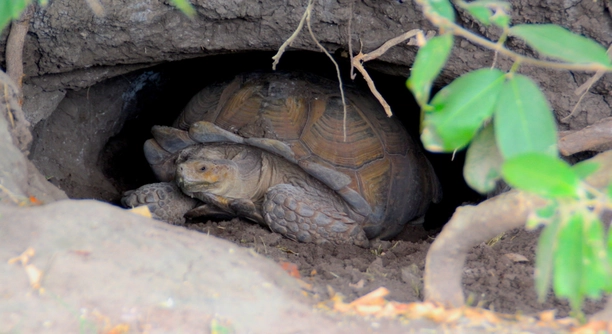
Transporting a Sulcata tortoise requires proper preparation to ensure its safety and well-being. Knowing how to handle and secure them during transport can prevent stress and injury. This guide will walk you through the essential steps.
The safest way to transport a Sulcata tortoise is by using a secure, well-ventilated container that allows enough space for movement but prevents them from wandering. Keep the tortoise in a stable, temperature-controlled environment to avoid stress or harm.
By following these guidelines, you can confidently transport your tortoise while keeping it safe and comfortable throughout the journey.
Choosing the Right Container for Transport
When it comes to transporting a Sulcata tortoise, selecting the right container is essential. A sturdy plastic or cardboard box works well as long as it’s large enough for the tortoise to move around without being cramped. The container should also be secure, with a lid or cover that prevents the tortoise from escaping. If the box is too small, it can cause unnecessary stress, and if it’s too big, the tortoise might get tossed around. You want the container to feel like a safe space where the tortoise can rest during its time of transport. Additionally, ensure the container has adequate ventilation. Sulcata tortoises need air flow to stay comfortable, so make sure there are plenty of small holes for air circulation.
It’s also a good idea to line the bottom of the container with soft bedding, such as hay or straw. This will not only provide comfort but also absorb any moisture that might be released. Adding a piece of cardboard or towel can help with extra cushioning and stability.
You’ll want to avoid using any containers with sharp edges or materials that could potentially harm the tortoise. This ensures a smooth transport process without injury.
Maintaining Proper Temperature
Temperature regulation is one of the most critical aspects to focus on when transporting a Sulcata tortoise. They are highly sensitive to temperature fluctuations, which can cause them unnecessary stress. Ideally, the temperature inside the transport container should be between 75 to 85 degrees Fahrenheit. If you’re traveling over a longer distance, consider using a portable heat source, such as a small heating pad, to maintain warmth.
Be careful with heat sources though, as overheating can lead to dehydration or exhaustion. Always check the temperature at regular intervals, especially if you’re using a vehicle that might be exposed to extreme weather. If necessary, use a thermometer to track the temperature and avoid surprises. If the weather is cooler, bring along a heating pad or warm water bottle to keep the tortoise comfortable without risking overheating.
This constant temperature control is vital for a safe transport. Monitoring the tortoise’s environment ensures you’re protecting its well-being throughout the process.
Securing the Tortoise Inside the Container
Before setting off, make sure the Sulcata tortoise is securely placed inside the container. It should not be able to move around too freely, but also not feel restricted. Use soft materials like towels or shredded paper to keep it in place.
Positioning the tortoise properly can help avoid injuries during transport. Place it on its stomach, not its back, to keep it comfortable and reduce the risk of stress. You can also place a soft barrier, like a towel or pillow, around the tortoise to prevent it from sliding or tipping over. This is especially important during longer trips where the tortoise may shift due to the movement of the vehicle. If traveling with other pets or items, ensure the tortoise is kept in a separate, secure area.
Adding extra padding along the sides of the container helps absorb shock, keeping the tortoise stable. Don’t overcrowd the container with unnecessary items that could cause harm or discomfort.
Regular Checks During Transport
During transport, it’s important to check on your Sulcata tortoise periodically. While you want to avoid disturbing it too much, quick checks can ensure its well-being. This is especially crucial for longer trips.
When stopping for a break, ensure that the temperature is stable and that the tortoise has not shifted positions. Reassess its comfort and check that there is no stress from heat or cold. A quick inspection can also help you make sure it hasn’t gotten stuck or tangled in any materials you’ve used to secure it. Always remember that regular checks reduce the chances of issues going unnoticed. Keeping an eye on your tortoise’s condition will give you peace of mind and ensure a safer trip overall.
Avoiding Stress and Panic
Minimize stress by keeping the environment calm during transport. Sudden noises or too much movement can easily overwhelm a Sulcata tortoise. Try to keep the surroundings quiet and avoid jostling the container unnecessarily.
When traveling by car, keep the ride as smooth as possible. Sudden stops or sharp turns can startle the tortoise, leading to unnecessary stress. To help, secure the container in a stable, quiet area of the vehicle, like the back seat or cargo area. This prevents it from being disturbed by heavy traffic or sudden movements.
Hydration
Hydration is crucial during transport. Although Sulcata tortoises are adapted to arid environments, they still require hydration to stay healthy. Ensure the tortoise has access to fresh water throughout the trip.
For longer trips, consider using a shallow dish of water inside the container. This allows the tortoise to drink as needed. Just make sure the dish is stable and cannot tip over easily, as spilled water can lead to discomfort or a wet environment. You can also moisten the bedding lightly to provide some humidity and prevent dehydration, especially in dry environments.
Feeding Before Transport
Feeding your Sulcata tortoise before transport is a good idea. A full stomach will help keep the tortoise calm during the trip. However, avoid feeding it right before transport.
Allow a few hours after feeding to ensure the tortoise has time to digest its food before the journey begins. This helps avoid potential discomfort or motion sickness. When feeding, offer foods that are easy to digest, such as leafy greens or grasses.
FAQ
What should I do if my Sulcata tortoise is too large for a standard transport container?
If your Sulcata tortoise is too large for a standard transport container, you may need to find or create a custom solution. Consider using a larger plastic crate or storage box, ensuring it’s sturdy and has enough space for the tortoise to move comfortably. The container should still be well-ventilated and secure to prevent the tortoise from escaping. You can also use extra bedding to help keep the tortoise stable inside the container. Just make sure the container doesn’t allow too much movement, as that could cause stress or injury.
Can I transport my Sulcata tortoise in a car without any problems?
Yes, you can transport your Sulcata tortoise in a car. Just be sure to keep the container secure and stable during the ride to prevent excessive shifting. The temperature inside the car should also be monitored, as it can change quickly. Avoid placing the tortoise in direct sunlight or near air conditioning vents, as this can cause temperature fluctuations. You should also try to keep the car ride as smooth as possible, avoiding sharp turns or sudden stops.
How long can a Sulcata tortoise stay in a transport container?
A Sulcata tortoise can typically stay in a transport container for several hours, but it’s best to minimize the time it spends in transit. For trips longer than a few hours, make sure to stop for regular checks to monitor its well-being. You can provide hydration and check that the temperature is stable. If traveling for extended periods, consider taking a break and offering some food or water. The longer the trip, the more important it is to keep the tortoise comfortable and hydrated.
Is it safe to transport a Sulcata tortoise during extreme weather conditions?
Transporting a Sulcata tortoise in extreme weather conditions should be avoided if possible. Extreme heat or cold can cause stress or harm to the tortoise. If you must travel during these conditions, make sure to monitor the temperature inside the transport container. For cold weather, you can use a portable heat source to maintain warmth, while for hot weather, make sure there’s adequate ventilation and avoid overheating. Always check the temperature regularly to ensure the tortoise stays comfortable and safe.
How often should I check on my Sulcata tortoise during transport?
During transport, it’s a good idea to check on your Sulcata tortoise every 2-3 hours, especially if you’re traveling for a long period. During these checks, you can ensure that it’s not overly stressed, that the temperature is stable, and that it has access to water if needed. If the trip is very short, a single check at the start and end of the journey should suffice.
Can I transport multiple tortoises in the same container?
It’s not recommended to transport multiple tortoises in the same container, especially if they are large like the Sulcata. Sulcata tortoises can become territorial or stressed when in close quarters with others. If you must transport more than one tortoise, each one should have its own secure and well-ventilated container. This ensures that each tortoise has enough space to feel comfortable and reduces the risk of fighting or injury during transport.
What should I do if my Sulcata tortoise appears stressed during transport?
If your Sulcata tortoise appears stressed during transport, stop immediately to check on its well-being. Ensure that the temperature is stable, the container is secure, and the tortoise is not being jostled too much. If possible, give it a break by providing some food or water. Stress can sometimes be alleviated by giving the tortoise a calm, quiet environment. If symptoms like excessive movement or breathing difficulties persist, it’s best to consult a vet for advice.
Can I use a pet carrier to transport my Sulcata tortoise?
Yes, you can use a pet carrier for transporting a Sulcata tortoise, as long as it is large enough to accommodate the tortoise’s size and allows for adequate ventilation. Make sure the carrier is secure and will not allow the tortoise to escape during transport. Avoid using a carrier with sharp edges or materials that could harm the tortoise. Line the bottom with soft bedding and ensure there’s no risk of the tortoise getting stuck.
How can I keep my Sulcata tortoise hydrated during long trips?
To keep your Sulcata tortoise hydrated during long trips, offer water before the journey and bring along a small, secure container of water in the transport box. A shallow dish will allow the tortoise to drink if needed. You can also lightly moisten the bedding to help maintain some humidity, which can aid in preventing dehydration. Just be sure the water stays contained and doesn’t spill.
What are the signs of dehydration in a Sulcata tortoise?
Signs of dehydration in a Sulcata tortoise include sunken eyes, dry or wrinkled skin, and lethargy. If you notice these signs during transport, stop and offer water immediately. Dehydration can be a serious issue for tortoises, so it’s important to monitor their hydration regularly, especially on long trips. If dehydration persists, consult a vet for further advice on treatment.
Final Thoughts
Transporting a Sulcata tortoise requires careful planning to ensure its safety and comfort. These tortoises are large and need sufficient space during transport, so choosing the right container is essential. The container should be sturdy, well-ventilated, and big enough for the tortoise to move without feeling cramped. It should also have secure lids or closures to prevent escape. Additionally, the inside of the container should be lined with soft bedding to prevent discomfort during the ride. A comfortable, stable environment will help reduce stress and prevent any harm during transport.
During transport, it’s crucial to keep the temperature stable and avoid any extreme weather conditions. Sulcata tortoises are sensitive to temperature fluctuations, so monitoring the environment is key. For cold weather, consider providing warmth with portable heat sources. In hot weather, make sure there’s proper ventilation and avoid the tortoise overheating. It’s also helpful to avoid feeding the tortoise right before the trip, as this can cause digestive issues. Providing access to water is vital throughout the journey to keep the tortoise hydrated, especially for longer trips. Remember, the tortoise should be checked regularly to ensure it’s doing well and is not overly stressed.
Finally, the goal is to make the trip as smooth and stress-free as possible for your Sulcata tortoise. A little preparation goes a long way in ensuring a safe journey. Always plan ahead, check the weather, and make sure you have all the necessary supplies for the trip. Whether it’s a short or long journey, minimizing stress and providing hydration are the most important factors in keeping the tortoise healthy during the transport. By taking these simple steps, you can help ensure your Sulcata tortoise stays safe and comfortable during its travels.

Hello,
If you enjoy the content that we create, please consider saying a "Thank You!" by leaving a tip.
Every little bit helps us continue crafting quality advice that supports the health, happiness, and well-being of pets around the world, for pets of all shapes, sizes, and species.
We really appreciate the kindness and support that you show us!