
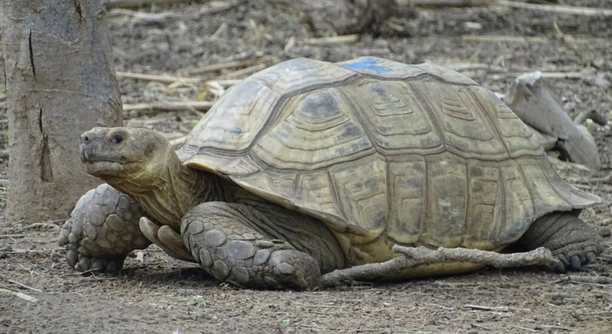
Sulcata tortoises, known for their large size and sturdy shells, are native to hot, dry regions. However, in areas with extreme heat, they can face challenges staying cool. Proper care is essential for keeping them comfortable in warmer weather.
To ensure a sulcata tortoise remains cool in hot weather, you must provide shade, fresh water, and a cool environment. Adjusting their habitat and offering cooling methods can help prevent overheating and promote their well-being.
Keeping a sulcata tortoise cool requires thoughtful planning and consistent care. Understanding how to create the right environment for your tortoise is essential to its health and comfort.
Provide Shade for Your Sulcata Tortoise
One of the simplest ways to keep your sulcata tortoise cool is by providing plenty of shade. In hot weather, tortoises can easily become overheated if they’re exposed to direct sunlight for too long. To create a shaded area, you can use natural sources like trees, or artificial options such as a large umbrella, shade cloth, or even a wooden structure. If you have an outdoor enclosure, make sure the shade is accessible at all times. This will help them find relief during the hottest part of the day.
Shading your tortoise is crucial to avoid heat stress, especially in midday sun. You can also rotate the shaded area to ensure they always have a cool spot available.
Remember, sulcata tortoises are well adapted to dry climates, but they still need some respite from intense heat. Having shaded spots in their habitat not only helps regulate their body temperature but also prevents dehydration and fatigue. Ensuring consistent shade throughout the day will keep your tortoise safe and comfortable.
Keep Fresh Water Available
Always provide fresh water for your sulcata tortoise.
Dehydration can lead to health problems like kidney damage. A large shallow water dish can help them stay hydrated during hot temperatures. Change the water regularly to avoid contamination.
Use a Cool Water Misting System
Misting your tortoise with cool water can help lower their body temperature. A simple handheld spray bottle can be enough, but automatic misting systems work well for consistent cooling. Be sure to use lukewarm water, as cold water can cause stress.
Spraying their shell and skin lightly will provide a refreshing experience for your sulcata tortoise. Aim for misting during the hottest parts of the day. Over-misting can lead to dampness, so use the spray sparingly. Pay attention to how your tortoise reacts and adjust accordingly.
When using a misting system, it’s essential to control the frequency. Too much moisture can lead to skin issues or attract pests. A balanced approach keeps your tortoise cool while preventing any unwanted problems like mold or skin irritation. Misting can be a simple and effective way to help your tortoise stay comfortable.
Provide a Cool, Damp Area
Offer a cool, damp area where your sulcata tortoise can retreat when it’s too hot.
This can be a shallow dish with damp soil or a small, shady spot with cool sand. The damp soil will allow your tortoise to dig and find a cooler layer beneath.
Offer a Cool Hide
A cool hide can be a perfect escape for your sulcata tortoise during hot weather. Place a shaded hide made of materials that stay cool, like clay or stone, in their habitat. This will give them a spot to retreat to when they need relief.
Ensure the hide is large enough for your tortoise to move around in comfortably. You can also add some damp bedding to help maintain cooler temperatures inside. Your tortoise will appreciate the cool, enclosed space.
Limit Exercise During Peak Heat
Limit your tortoise’s activity during the hottest times of the day, usually from noon to 4 p.m.
Tortoises can overheat quickly when they are active in the sun. Try to offer enrichment and exercise during the cooler hours of the morning or evening.
FAQ
How can I tell if my sulcata tortoise is too hot?
Signs of overheating in a sulcata tortoise include excessive panting, lethargy, or a refusal to eat. You may also notice them digging more than usual or trying to escape their habitat in search of cooler areas. If you suspect your tortoise is too hot, move them to a shaded spot and provide water. If the symptoms persist, it’s important to seek veterinary help.
Can I use ice to cool my sulcata tortoise?
It’s not recommended to use ice directly on your tortoise. Sudden temperature changes can cause stress or even shock. Instead, focus on gradual cooling methods like misting with lukewarm water or offering a cool damp area for them to rest in.
Is it safe to keep my sulcata tortoise indoors during hot weather?
Yes, you can keep your tortoise indoors if the weather gets too hot, as long as you provide the right environment. Ensure the indoor space has sufficient light, humidity, and warmth. Create a shaded and cooler area for them to retreat when needed.
How much water does my sulcata tortoise need in hot weather?
Your sulcata tortoise needs access to fresh water at all times, especially in hot weather. They may drink more when the temperature rises. Ensure their water dish is large enough for them to soak in, as soaking helps with hydration and temperature regulation.
What should I feed my sulcata tortoise during hot weather?
Stick to your tortoise’s regular diet of hay, leafy greens, and vegetables. Avoid feeding them heavy meals during the hottest parts of the day, as digestion can generate extra body heat. It’s also important to avoid overfeeding during high temperatures, as it can lead to weight gain or other health issues.
Can I take my sulcata tortoise outside during hot weather?
You can take your sulcata tortoise outside, but be mindful of the temperature. Early mornings or evenings are the best times for outdoor activity. Never leave your tortoise outside in the direct heat of midday sun for extended periods. Ensure they have access to shade and fresh water.
How can I maintain a cool temperature in my tortoise’s outdoor enclosure?
To maintain a cool environment in an outdoor enclosure, create plenty of shaded areas, like using large umbrellas, shade cloths, or natural shade from trees. You can also add damp soil or sand to help cool down the ground. Make sure the tortoise has access to a water dish at all times.
What are some natural ways to cool down my sulcata tortoise’s environment?
You can use natural methods like planting tall grass or adding rocks to the enclosure. These elements provide shade and create a cooler microclimate. You can also set up a shallow water dish that can naturally cool the air through evaporation.
Can a sulcata tortoise get heatstroke?
Yes, sulcata tortoises can suffer from heatstroke if they are exposed to extreme heat without the ability to cool down. Symptoms include excessive panting, lethargy, and a lack of appetite. To prevent this, always provide ample shade, water, and a cool place for your tortoise to retreat.
How often should I check on my sulcata tortoise in hot weather?
During hot weather, it’s important to check on your sulcata tortoise several times a day. Ensure they have access to water, shade, and a cooler environment. Monitor their behavior for any signs of stress or overheating, especially during the hottest hours.
Final Thoughts
Keeping your sulcata tortoise cool in hot weather is essential for their health and well-being. These tortoises are naturally adapted to warm climates, but excessive heat can still cause stress or even serious health issues. By providing the right environment with shade, fresh water, and cooling methods like misting, you can help ensure that your tortoise stays comfortable. The key is to be proactive and create a safe space where they can retreat when it’s too hot.
It’s important to pay close attention to their behavior during high temperatures. If you notice your tortoise showing signs of distress, like excessive panting or digging, it’s a sign that their environment may not be cool enough. Make sure they always have access to water and avoid keeping them outside in the peak heat of the day. Instead, offer them opportunities to be outside during the cooler morning or evening hours. Having a variety of cooling methods will give your tortoise more options to stay comfortable and healthy.
Ultimately, the well-being of your sulcata tortoise relies on creating a balance between keeping them cool and ensuring they have access to everything they need to thrive. Offering shaded areas, providing fresh water, and limiting their exercise in the hottest parts of the day will all help. With the right care and attention, you can make sure your tortoise stays safe and happy, even when the weather gets hot.

Hello,
If you enjoy the content that we create, please consider saying a "Thank You!" by leaving a tip.
Every little bit helps us continue crafting quality advice that supports the health, happiness, and well-being of pets around the world, for pets of all shapes, sizes, and species.
We really appreciate the kindness and support that you show us!