
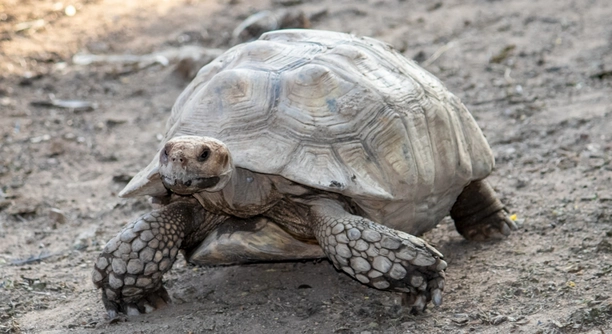
Sulcata tortoises are gentle and fascinating creatures that can bring joy to any household. However, it’s important to ensure they maintain a healthy weight for their well-being. Being too fat can cause health issues for these reptiles.
If your sulcata tortoise appears overly plump, it may indicate obesity, which can lead to shell deformities, joint stress, and other health complications. A proper diet and exercise are crucial to avoid these issues and ensure their longevity.
Understanding the signs of obesity is key to keeping your sulcata tortoise healthy. Learning about proper care and adjusting their lifestyle can prevent any long-term health problems.
How to Recognize If Your Sulcata Tortoise Is Overweight
Obesity in sulcata tortoises is often caused by improper diet and lack of activity. These tortoises naturally graze on grasses, which is a high-fiber, low-calorie diet. However, when they are fed too many rich foods, or they aren’t given enough space to roam and exercise, it can lead to weight gain. You’ll notice that your tortoise may seem sluggish, and its shell may look rounder and puffier than usual. The health risks that come with obesity include shell deformities, poor mobility, and a shortened lifespan.
If you’ve noticed changes in your tortoise’s appearance or behavior, it’s time to evaluate its weight. Start by observing its shape—an overweight tortoise typically has a rounder shell, with no visible waistline. Additionally, check for signs of lethargy or difficulty moving around. If your tortoise is more sluggish than usual, it could be a sign that it is carrying excess weight.
The best way to help your sulcata tortoise lose weight is to adjust its diet and encourage more exercise. Start by cutting back on high-calorie foods like fruits and leafy vegetables. Instead, focus on providing more fiber-rich plants, such as grasses and hay. You can also introduce a more spacious habitat to promote movement. Giving your tortoise plenty of room to roam and encouraging it to forage can help it maintain a healthy weight. Proper care and attention can ensure that your sulcata tortoise stays active, healthy, and happy.
The Role of Diet in Weight Management
Diet plays a major role in maintaining a sulcata tortoise’s health. Too many sugary foods can easily lead to weight gain.
A sulcata tortoise’s natural diet consists mainly of grasses and other fibrous plants, which provide essential nutrients without adding unnecessary calories. However, feeding it foods like fruits, vegetables, and other high-calorie options in large quantities can contribute to rapid weight gain. It’s important to offer variety while focusing on foods that mimic what it would naturally consume in the wild. By limiting the intake of these energy-rich foods, you’ll reduce the risk of obesity. Overfeeding treats should also be avoided. Additionally, monitor how often you feed your tortoise, making sure not to offer too much at once. This can help prevent overeating, promoting better health in the long run.
Exercise and Its Impact on Weight
Exercise is a vital part of preventing obesity in sulcata tortoises. It promotes muscle strength and overall health.
A tortoise needs space to roam and explore. Without adequate exercise, it’s easy for a sulcata to gain weight. The more active the tortoise, the more calories it burns. Enriching its environment with obstacles like rocks and ramps encourages movement and helps keep your tortoise active. It’s important to offer enough space so the tortoise can freely roam and forage, mimicking its natural habitat.
Regular exercise not only helps control weight but also keeps your tortoise’s joints and bones strong. This is especially important as sulcatas are prone to shell deformities if they become overweight. By creating a larger, more active environment for your tortoise, you encourage healthy behavior and prevent the risks of obesity. You should also avoid keeping them in small enclosures where they might not have the opportunity to move around enough.
Identifying Health Risks of Obesity
Obesity can lead to several serious health problems in sulcata tortoises. The risks can be long-term and difficult to manage.
When a sulcata tortoise is overweight, it puts extra strain on its bones and shell, potentially causing deformities. Over time, this stress can lead to joint problems and difficulty in movement. Additionally, excess weight can make it harder for a tortoise to regulate its body temperature, leading to health complications. Without proper care, obesity can also contribute to metabolic disorders and even shorten the tortoise’s life expectancy.
To keep your sulcata tortoise healthy, it’s essential to keep its weight in check. A balanced diet, regular exercise, and proper care are critical. Addressing obesity early can help prevent long-term health problems, allowing your tortoise to live a longer, healthier life. By staying vigilant about its weight, you’ll be able to ensure a happier and more active tortoise.
Recognizing Obesity in Sulcata Tortoises
A sulcata tortoise is considered overweight if it has a rounded shell and appears more sluggish than usual. Overfeeding or a lack of exercise usually leads to this condition.
You may notice that your tortoise has difficulty moving around, and it may avoid exploring its environment. These are common signs that the tortoise may be carrying excess weight. Keeping track of their appearance can help in identifying any weight problems early.
Monitoring Your Tortoise’s Weight
Weighing your tortoise regularly is a simple way to track its health. A small digital scale works well.
By comparing the weight over time, you can monitor any significant changes. If the weight increases too quickly, it’s a sign that adjustments need to be made to their diet or exercise routine. This consistency will help you ensure that your sulcata is staying healthy.
Proper Feeding Practices
It’s important to feed your sulcata tortoise foods that align with its natural diet. Avoid overfeeding high-calorie treats.
Offer fiber-rich grasses and hays instead of fatty or sugary foods. Make sure to remove any leftover food after a few hours to prevent overeating. This helps ensure your tortoise gets the right amount of nutrients without gaining unnecessary weight.
FAQ
How can I tell if my sulcata tortoise is too fat?
The best way to determine if your sulcata tortoise is overweight is by observing its shell and overall shape. An overweight tortoise will typically have a rounder, puffier shell with no visible waistline. It may also appear more sluggish than usual, avoiding movement or having difficulty walking. Regular weight checks can also help you track if it’s gaining excess weight over time. If your tortoise seems to have trouble moving or gets easily tired, it could be an indicator of obesity. Pay attention to changes in behavior and appearance, and take action if necessary.
What should I do if my sulcata tortoise is overweight?
If you suspect your sulcata tortoise is overweight, the first step is to assess its diet and exercise routine. Cut back on high-calorie treats like fruits and vegetables that are rich in sugars. Instead, focus on offering fiber-rich grasses and hay, which are closer to what the tortoise would naturally eat in the wild. Providing a larger space for your tortoise to roam freely will encourage more exercise. Make sure your tortoise has room to move and explore, as this will help it burn calories. Regularly monitor its weight and adjust its care as needed to prevent further weight gain.
Can my sulcata tortoise lose weight without a vet?
While a vet visit is always a good option if you’re concerned about your tortoise’s health, you can take action at home to help your sulcata tortoise lose weight. Start by adjusting its diet to include more grasses and less high-calorie food. Increasing exercise is also important—give your tortoise more space to move and explore. Avoid feeding it too many treats and try to regulate the amount of food it’s consuming. Regularly monitor your tortoise’s weight to ensure it is progressing. If there are no signs of improvement after some time, then a vet check-up may be necessary.
What are the risks of obesity for my sulcata tortoise?
Obesity can cause a number of health issues for sulcata tortoises, including shell deformities, joint stress, and difficulty moving. Extra weight puts pressure on their bones, which can lead to long-term mobility problems. It can also cause metabolic issues, which can be difficult to reverse. Overweight tortoises are also at risk for poor digestion, as their bodies may not function properly due to excess fat. Lastly, obesity can shorten their lifespan, making it crucial to address weight concerns early on. Maintaining a healthy weight is important for your tortoise’s overall well-being.
How much should I feed my sulcata tortoise?
The amount of food you should provide depends on your tortoise’s age and size. In general, a sulcata tortoise requires a high-fiber diet consisting mainly of grasses and hay. As adults, they can consume unlimited amounts of grasses, but it’s best to limit other foods such as fruits and vegetables to prevent overfeeding. Young sulcatas need more protein and a slightly richer diet but still need to stick to high-fiber foods. Always monitor how much your tortoise eats and adjust the portions if you notice any weight gain or signs of obesity.
Can a sulcata tortoise eat too many vegetables?
Yes, sulcata tortoises can eat too many vegetables, especially if the vegetables are high in water content or sugar. Leafy greens like dandelion greens, collard greens, and mustard greens are great choices in moderation, but veggies like squash or carrots should be offered sparingly. If fed in excess, even healthy vegetables can lead to an imbalance in your tortoise’s diet, potentially contributing to obesity or digestive issues. It’s important to make sure your tortoise’s diet is well-balanced, focusing mainly on high-fiber grasses and hay, while limiting the amount of high-sugar or high-water vegetables.
How can I encourage my sulcata tortoise to exercise more?
To encourage exercise, provide your sulcata tortoise with a larger enclosure where it has space to roam. Set up obstacles like rocks, ramps, and hiding spots to make the environment more engaging. If possible, let your tortoise spend time outdoors in a safe area where it can walk freely and forage. The more space and stimulation you provide, the more active your tortoise will be. Regular movement is essential for maintaining a healthy weight and ensuring that your tortoise stays in good shape. A proper exercise routine can help prevent obesity and promote muscle strength.
What should I avoid feeding my sulcata tortoise?
Avoid feeding your sulcata tortoise foods that are high in sugar or fat, such as fruits, dairy products, or processed foods. These foods can contribute to weight gain and cause digestive issues. It’s also important to avoid feeding them foods high in water content, such as lettuce, as it can lead to diarrhea and poor nutrient absorption. Stick to a diet primarily made up of grasses, hays, and safe leafy greens that align with their natural diet. A consistent, high-fiber diet will support your tortoise’s digestive health and help prevent obesity-related issues.
Is it safe to put my sulcata tortoise on a diet?
Yes, it is safe to put your sulcata tortoise on a diet, but it should be done gradually. Sudden changes in diet can cause digestive upset or other health problems. To help your tortoise lose weight, reduce its intake of high-calorie foods and focus on providing more fiber-rich options like grasses and hay. Ensure your tortoise still has access to a variety of safe plants for nutrition but avoid overfeeding. It’s essential to balance the reduction in food with an increase in exercise to help your tortoise shed pounds safely.
Final Thoughts
Keeping your sulcata tortoise at a healthy weight is essential for its overall well-being. Obesity in tortoises can lead to serious health issues, including difficulty moving, joint problems, and shell deformities. These problems can shorten their lifespan and affect their quality of life. By staying mindful of their diet and encouraging regular exercise, you can help prevent these health risks. It’s important to remember that sulcata tortoises naturally need a high-fiber, low-calorie diet, which mainly consists of grasses and hay. Overfeeding with high-calorie treats or feeding foods that are not suitable for them can easily lead to excess weight. A proper balance of food and exercise will help keep your tortoise active and healthy.
The best way to maintain a healthy weight for your sulcata tortoise is through consistency. Monitoring their diet and offering the right types of food regularly is important, as is giving them enough space to roam. A larger, more active enclosure encourages movement, which helps burn calories and keeps their muscles and joints strong. If you notice any changes in their behavior or appearance, it may be time to adjust their care routine. This can include reducing their food portions or adding more space for them to explore. Regular weight checks can help ensure that your tortoise is not gaining weight at an unhealthy rate.
Ultimately, the goal is to ensure that your sulcata tortoise enjoys a long, healthy life. Obesity can cause significant stress on their body, but with the right care, it’s avoidable. Proper feeding, regular exercise, and careful observation are the key elements to helping your tortoise thrive. With a little effort, you can provide an environment where your tortoise can stay active, healthy, and happy for many years to come. Taking the time to monitor their health and adjust their care routine will ensure that they live a comfortable life without the risks of obesity.

Hello,
If you enjoy the content that we create, please consider saying a "Thank You!" by leaving a tip.
Every little bit helps us continue crafting quality advice that supports the health, happiness, and well-being of pets around the world, for pets of all shapes, sizes, and species.
We really appreciate the kindness and support that you show us!