
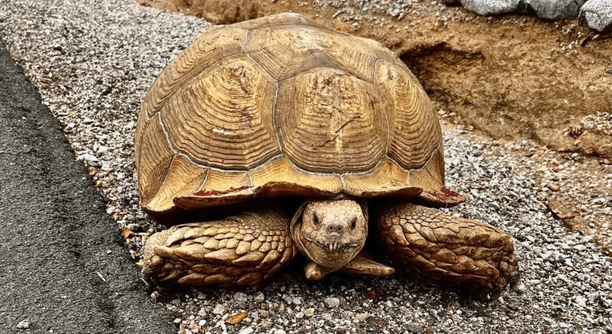
Sulcata tortoises are herbivores, and their diet mainly consists of grass, hay, and leafy greens. As a pet owner, it is essential to know which foods are safe and healthy for them. Understanding these dietary needs ensures their well-being.
Sulcata tortoises should not eat peanuts. Peanuts are high in fat and protein, which are not suitable for their digestive system. While small amounts might not cause immediate harm, regular consumption can lead to health issues like obesity and nutritional imbalance.
Knowing the best foods for your tortoise will contribute to their health and longevity. Proper feeding habits will ensure they stay strong and healthy for years to come.
Why Peanuts Are Not Suitable for Sulcata Tortoises
Peanuts are not an ideal food choice for Sulcata tortoises due to their high fat content. Tortoises, especially those in the wild, have a diet primarily made up of grasses, leaves, and some fruits. These foods provide the proper nutrients for their slow digestion and long life. Peanuts, however, are too rich in fat and protein, which can lead to weight gain and other health problems. Feeding your tortoise a diet high in fat can cause them to develop obesity, which negatively impacts their mobility and overall health. Their digestive system is not designed to handle these types of foods, so it is best to stick to a diet rich in fibrous, low-fat plant matter.
It’s essential to choose foods that align with your tortoise’s natural diet. These include hay, leafy greens, and flowers. Always research before introducing new foods to ensure your pet gets the proper nutrition.
Peanuts and other nuts should be avoided entirely in their diet. Consuming such foods can result in digestive issues and lead to long-term health concerns for your tortoise. By focusing on fresh vegetables and leafy greens, you are providing the best possible care for your pet.
Nutritional Needs of Sulcata Tortoises
Understanding the specific nutritional needs of your tortoise is crucial for their health. Their primary food source should be fibrous plants, including grasses, weeds, and certain leafy greens. These foods are low in fat and provide essential vitamins and minerals that help keep their digestive system functioning properly. It is also beneficial to offer a variety of these plants to ensure a balanced diet. If you want to offer variety, fruits such as strawberries, melons, and apples can be given occasionally, but they should not make up a large portion of their diet. A tortoise’s nutritional requirements are centered on the proper amount of fiber, calcium, and low fat to maintain healthy shell growth and prevent diseases like metabolic bone disease.
When offering foods like leafy greens, opt for darker varieties such as kale, collard greens, and dandelion greens. These contain higher amounts of calcium, which is vital for shell and bone development. Avoid high-oxalate vegetables like spinach, which can prevent calcium absorption.
To ensure a balanced diet, avoid feeding tortoises foods that can lead to health problems. Stick to plants that are safe and nutritionally appropriate. This careful approach will support their long-term health.
Risks of Feeding Peanuts to Sulcata Tortoises
Feeding peanuts to Sulcata tortoises can lead to serious health issues. They are not a natural part of a tortoise’s diet, and the high fat content can result in weight gain. Over time, this can cause further complications like difficulty moving and breathing problems.
The high protein and fat in peanuts aren’t easily processed by a tortoise’s digestive system. When consumed regularly, these foods can disrupt their metabolism and lead to obesity. Obesity in tortoises makes it more challenging for them to move, which can negatively affect their quality of life. Tortoises are meant to consume a diet that supports slow and steady growth, not rapid weight gain caused by fatty foods.
When feeding your tortoise, it’s essential to avoid foods that can cause harm. Peanuts should be excluded from their diet entirely, and instead, offer fibrous plants that provide essential nutrients without the risk of overfeeding.
How to Maintain a Healthy Diet for Your Tortoise
To maintain a healthy diet, it is crucial to focus on what is naturally available to tortoises. This includes various grasses, hay, and low-calcium, leafy greens. These foods help maintain the right balance of nutrition without overloading their system with unnecessary fats or proteins.
Ensure you are offering your tortoise a diverse range of safe foods. Tortoises require proper hydration, so providing access to fresh water daily is vital. Avoid foods that are too high in sugar, fat, or protein. Instead, stick to a routine of grass-based feeding with the occasional addition of fruits for enrichment. Always wash the vegetables and fruits before feeding them to ensure they are free from pesticides.
A balanced diet, along with proper care, is the key to a healthy tortoise. The right foods will help them thrive, and preventing the introduction of harmful foods like peanuts will support their long-term well-being.
Alternatives to Peanuts for Sulcata Tortoises
There are plenty of safe food options that you can offer your Sulcata tortoise. Leafy greens, such as kale and collard greens, are great alternatives to fatty foods. These greens provide essential nutrients without the risk of weight gain.
Dandelion greens and grasses are also excellent food choices. They are natural and support your tortoise’s digestive system. Always choose plants that are high in fiber and low in fat. These foods will contribute to your tortoise’s overall health and help maintain their proper weight.
Providing Proper Hydration for Your Tortoise
Hydration is just as important as the right diet. Make sure your Sulcata tortoise has access to fresh water at all times. In the wild, they obtain water from plants and dew, but in captivity, they need a bowl of water that is regularly cleaned.
Offering a shallow dish of water encourages them to drink, especially during warmer months when they are more active. Keep the water clean to avoid bacteria buildup, which could cause health problems. The proper hydration supports their digestion, overall health, and shell growth.
Safe Fruits for Sulcata Tortoises
Occasionally, you can treat your tortoise to fruits like strawberries, cantaloupe, or apple slices. These should be given sparingly, as fruits are higher in sugar. Keep the servings small to avoid upsetting their balance of nutrients.
Offering fruits occasionally adds variety and helps prevent boredom. However, they should never make up the majority of your tortoise’s diet. Always ensure the fruit is pesticide-free and cut into small pieces before feeding.
Can Sulcata Tortoises Eat Other Nuts?
No, Sulcata tortoises should not eat any type of nuts. Nuts, including almonds and cashews, are high in fat and protein, which are not suited for their digestive system. Regular consumption of these foods can lead to obesity, which is harmful to their overall health.
Tortoises, particularly Sulcata tortoises, thrive on a diet that mimics what they would eat in the wild—mostly grasses, leaves, and some low-calcium plants. Nuts do not provide the necessary nutrients and are too rich in fats for a healthy tortoise diet. It’s best to avoid nuts altogether and focus on high-fiber, low-fat foods.
What Can I Feed My Sulcata Tortoise Instead of Peanuts?
Instead of peanuts or other nuts, you can offer your Sulcata tortoise a variety of leafy greens, grasses, and safe flowers. Greens like collard greens, kale, and dandelion greens are excellent choices, providing the necessary fiber and calcium for healthy bone and shell growth.
Other foods like hibiscus flowers, clover, and grasses from your yard (free of pesticides) are also safe options. These foods support digestion, help maintain a healthy weight, and prevent potential issues like obesity or shell deformities. A diverse, plant-based diet is key to your tortoise’s well-being.
How Often Should I Feed My Sulcata Tortoise?
Sulcata tortoises should be fed daily, especially when they are young and growing. As they age, their feeding schedule can be adjusted to every other day. The amount of food offered should be enough to provide a balanced diet without overfeeding.
It’s important to remember that tortoises are herbivores and need a consistent supply of fiber-rich plants to stay healthy. Keep an eye on their weight, and avoid offering foods that are high in fat or protein, such as nuts. A proper feeding routine will ensure your tortoise remains active and healthy.
Can Sulcata Tortoises Eat Fruit?
Yes, Sulcata tortoises can eat fruit, but it should only be an occasional treat. Fruits like strawberries, melons, and apples can be offered in small quantities. Since fruit is high in sugar, giving too much can upset their digestive system and cause an imbalance in their diet.
Fruit should never be the main part of their diet. It’s important to ensure that your tortoise’s daily intake consists mainly of fibrous grasses, leafy greens, and flowers. Too much fruit can lead to obesity and other health complications over time.
How Can I Tell If My Sulcata Tortoise Is Overweight?
An overweight Sulcata tortoise may have visible signs such as a large, swollen belly or difficulty moving around. If your tortoise seems less active than usual or has a noticeably rounder shell, it may be an indication of obesity.
A healthy Sulcata tortoise should have a noticeable shape with a slight curve to their shell. Regularly monitor their weight and adjust their food intake if needed. Always offer the correct foods and avoid fatty or high-protein items to prevent weight gain.
Can I Feed My Sulcata Tortoise Lettuce?
Lettuce can be offered in moderation, but it’s not the best food choice for Sulcata tortoises. Some types of lettuce, such as iceberg lettuce, contain very little nutritional value and can cause digestive issues if fed too often.
Instead, focus on leafy greens like kale, collard greens, and mustard greens. These provide more vitamins and minerals that are essential for your tortoise’s health. If you do feed lettuce, ensure it’s dark-leafed and free from pesticides.
What Is the Best Habitat for a Sulcata Tortoise?
Sulcata tortoises need a large, outdoor enclosure that mimics their natural desert environment. The enclosure should be spacious and have access to both a shaded area and a basking area where they can soak up the sun.
The habitat should also have a substrate that allows them to dig, as Sulcata tortoises enjoy burrowing. Ensure the temperature is warm enough for them to be active and healthy. If you are housing them indoors, a large reptile enclosure with appropriate lighting and heating will be necessary. Proper habitat is crucial for their health and well-being.
What Should I Do If My Sulcata Tortoise Is Not Eating?
If your Sulcata tortoise is refusing food, it may be a sign of stress, illness, or incorrect temperature in their environment. Make sure their habitat is at the right temperature and humidity level, as these factors influence their appetite.
If the problem persists for more than a couple of days, it’s best to consult with a veterinarian who specializes in reptiles. An underlying health issue might be the cause, and a vet can offer guidance on how to get your tortoise eating again.
Can Sulcata Tortoises Live With Other Pets?
Sulcata tortoises are generally solitary creatures and should be housed alone. They can be territorial and may not get along well with other pets, including other tortoises. If housed together, they might become stressed, which could affect their health.
If you plan to keep multiple tortoises together, ensure that there’s enough space for them to roam without conflict. Otherwise, it’s best to give your Sulcata tortoise a private space where they can live comfortably and without stress. This will promote a better quality of life.
Is It Safe to Let My Sulcata Tortoise Roam Free Around the House?
It’s not safe to let your Sulcata tortoise roam freely around the house. Tortoises can get into dangerous situations, like getting stuck in tight spaces or being accidentally stepped on.
Instead, it’s best to provide a secure, contained area where they can roam safely. If you want them to explore, supervise them in a controlled space. Always be mindful of potential hazards around your home, such as stairs, electrical cords, or small objects they might ingest.
Final Thoughts
Peanuts and other nuts should be avoided in a Sulcata tortoise’s diet. These foods are high in fat and protein, which are not suitable for their digestive system. Although nuts may seem harmless, they offer little nutritional value for tortoises and can lead to long-term health problems like obesity. The best diet for a Sulcata tortoise includes grasses, leafy greens, and occasional flowers. These foods provide the necessary nutrients for their growth, bone health, and overall well-being. It’s crucial to focus on what is best for their natural needs to keep them healthy and happy.
While it may be tempting to feed your Sulcata tortoise treats like peanuts, it’s important to stick to a diet that closely matches their natural food sources. Overfeeding high-fat foods can cause digestive issues, obesity, and other complications. It is essential to create a feeding plan that includes foods high in fiber, low in fat, and rich in calcium to prevent any health risks. If in doubt about what foods are safe or harmful, always consult a veterinarian specializing in reptiles. This ensures that you are meeting all their dietary needs without putting them at risk.
Caring for a Sulcata tortoise involves more than just feeding them the right foods. They need an appropriate habitat with the correct temperature, humidity, and space for roaming and burrowing. With proper care, your tortoise can live a long, healthy life. Regularly monitor their health, eating habits, and weight, adjusting their diet as necessary. By providing the correct food and environment, you will help your Sulcata tortoise thrive and live comfortably in your care for many years to come.

Hello,
If you enjoy the content that we create, please consider saying a "Thank You!" by leaving a tip.
Every little bit helps us continue crafting quality advice that supports the health, happiness, and well-being of pets around the world, for pets of all shapes, sizes, and species.
We really appreciate the kindness and support that you show us!