
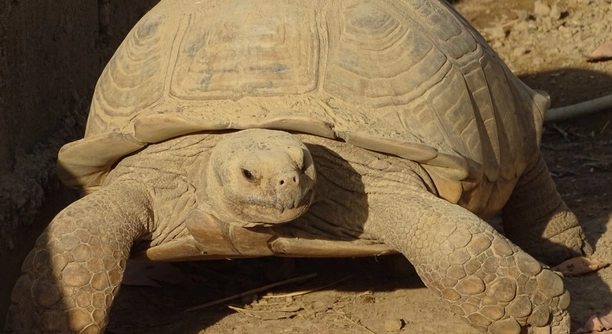
Sulcata tortoises are known for their calm nature, but sometimes they may act aggressively. Understanding the cause behind this behavior is key to providing them with the care they need.
Aggressive behavior in sulcata tortoises is often linked to territorial instincts, mating behaviors, or discomfort due to environmental factors. Ensuring proper space, temperature, and handling techniques can help reduce such aggression.
Managing aggression requires a better understanding of these behaviors and proper steps to ensure a healthy relationship with your tortoise.
Understanding Aggressive Behavior in Sulcata Tortoises
Aggression in sulcata tortoises can stem from a variety of factors. These tortoises are naturally territorial, and this trait can cause them to display aggressive behavior when they feel their space is threatened. In the wild, they have large territories that they protect. When confined to a smaller space, such as an enclosure, they may act out to defend their perceived territory. Aggression may also be linked to mating behavior, especially during breeding seasons. Male tortoises, in particular, can become more aggressive as they seek to assert dominance. Lastly, discomfort due to environmental conditions, such as improper temperature or humidity, can cause a tortoise to behave aggressively. Recognizing these causes and addressing them is essential for resolving unwanted behavior.
The key to addressing aggression lies in creating a comfortable and appropriate living space for your sulcata tortoise.
Providing adequate space, maintaining the correct temperature, and ensuring proper care are vital steps in reducing aggressive tendencies.
How to Handle Aggression in Sulcata Tortoises
Handling an aggressive tortoise requires patience and understanding. If your sulcata tortoise is acting aggressively, the first step is to assess its environment. Make sure that the enclosure is large enough for the tortoise to roam comfortably, as overcrowding can lead to stress and aggression. Additionally, check if the temperature and humidity levels are within the recommended range. If they are too high or low, it could cause discomfort, leading to aggression. Male tortoises can become especially territorial during mating seasons, so it’s important to manage breeding opportunities to avoid aggression.
It’s crucial to approach your tortoise calmly and without sudden movements, as this can help prevent escalating aggression. If you need to handle the tortoise, use a gentle touch and give it time to adjust.
Establishing a peaceful routine is essential to creating a long-term positive relationship with your tortoise. Regular observation and careful adjustments to its living conditions will minimize the chances of aggression.
Common Triggers of Aggression in Sulcata Tortoises
Sulcata tortoises may act aggressively when they feel threatened or stressed. Environmental factors such as improper enclosure size, poor temperature, or humidity can cause discomfort, making them more likely to display aggression. Additionally, their territorial nature or mating behavior can also trigger such actions.
A sulcata tortoise’s aggression can also be linked to overcrowded living conditions. A cramped space makes them feel confined, causing them to act out as a form of defense. Providing ample room for movement is essential. Adjusting the habitat to better suit their natural needs can significantly reduce these stressful situations.
Sometimes, male tortoises become aggressive due to mating instincts, especially when they sense females in the area. This behavior can lead to dominance struggles and territorial disputes. It’s important to separate males from each other or limit exposure to females during breeding seasons to avoid unnecessary aggression.
Addressing Aggression Through Proper Care
Proper care is the key to reducing aggressive behavior. Start by ensuring the enclosure is large enough, with plenty of space for the tortoise to roam freely. The temperature should be carefully monitored, as sulcata tortoises require warmth to feel comfortable. If the enclosure is too cold, this may contribute to stress.
Additionally, make sure the tortoise’s habitat includes hiding spots or shelters where it can retreat and feel safe. Adding elements like rocks and logs can mimic natural conditions and help reduce stress levels. A peaceful and enriched environment is crucial for your tortoise’s well-being.
The Role of Diet in Aggressive Behavior
Diet can have a direct impact on a tortoise’s behavior. If a sulcata tortoise is not receiving a balanced diet, it may become irritable. Nutritional deficiencies can affect its overall health and stress levels, which may contribute to aggressive actions.
Offering a variety of leafy greens, hay, and occasional fruits ensures proper nutrition. This balanced diet helps keep their energy levels stable and can reduce stress-related behaviors. A proper diet will support their physical and mental health, ultimately leading to a calmer disposition.
Monitoring Aggression Over Time
Tracking the behavior of a sulcata tortoise over time is important for understanding patterns. Keeping a daily log of their actions can help identify any recurring triggers. This allows you to adjust care routines or environmental factors if needed.
By observing and noting behavior changes, you can take proactive steps before aggression escalates. Regular check-ins on their behavior are essential for long-term health management.
The Importance of Proper Handling Techniques
Handling your sulcata tortoise properly is crucial to preventing aggression. Always approach slowly and calmly to avoid startling the tortoise. Sudden movements can provoke defensive reactions, leading to stress or aggression. Handling should be gentle and infrequent to avoid overwhelming the tortoise.
Be mindful of its comfort and avoid forcing interactions. When the tortoise feels safe and secure, it is more likely to behave calmly and remain docile.
FAQ
Why is my sulcata tortoise hissing?
Hissing is a common response in sulcata tortoises when they feel threatened or startled. This behavior is often a defensive mechanism, meant to intimidate potential threats. It’s not uncommon for a tortoise to hiss if someone approaches too quickly or if it feels cornered. If this happens frequently, it may be a sign that your tortoise feels stressed or unsafe in its environment. Ensuring the enclosure is spacious, with proper temperature and humidity, can reduce this behavior.
How can I stop my sulcata tortoise from becoming aggressive?
Reducing aggression involves addressing the factors causing stress. First, make sure the enclosure is large enough for your tortoise to move around comfortably. Also, check that the temperature and humidity levels are within the recommended range. Tortoises become aggressive when they feel confined, cold, or too warm. Providing an appropriate habitat and handling the tortoise gently will help to calm it down over time.
Can sulcata tortoises become aggressive toward humans?
Yes, sulcata tortoises can display aggression toward humans, especially if they feel threatened or mistreated. It’s important to handle them with care and avoid startling them. They may also act out if they are in discomfort, such as when their environment is too hot or cold, or if they feel their territory is being invaded. Always approach them calmly and avoid forcing interactions.
Is aggression in sulcata tortoises a sign of illness?
Aggression is typically not a direct sign of illness but may be linked to stress or discomfort. If your sulcata tortoise suddenly becomes aggressive and exhibits other unusual behaviors, such as lack of appetite or lethargy, it could indicate an underlying health issue. In such cases, it’s best to consult a veterinarian to rule out medical problems.
Does my sulcata tortoise need company to avoid aggression?
Sulcata tortoises are solitary animals by nature. While some may tolerate other tortoises, they don’t require companionship to feel secure. In fact, placing multiple tortoises in the same enclosure can lead to territorial aggression, especially if there’s insufficient space. It’s often better to keep sulcatas alone to avoid conflicts and ensure their well-being.
Can I reduce aggression by providing more space?
Yes, providing a larger enclosure can significantly reduce aggression in sulcata tortoises. A cramped space leads to stress, which may result in defensive behaviors such as hissing or biting. The tortoise needs room to roam and retreat to a safe area. A larger, well-designed enclosure with hiding spots, rocks, and logs will help to keep your tortoise content and reduce aggression.
What should I do if my sulcata tortoise is not eating and acting aggressive?
If your sulcata tortoise is not eating and showing signs of aggression, it’s important to first assess its environment. Ensure the temperature, humidity, and lighting conditions are optimal. A lack of appetite and aggression can be linked to improper care conditions. If the environment is correct and the behavior persists, a visit to a veterinarian may be necessary to rule out health issues.
Can a sulcata tortoise’s aggression be linked to mating season?
Yes, aggression in sulcata tortoises can be heightened during the mating season, especially in males. Males may become more territorial and assertive when competing for females. During this time, their behavior may include chasing, biting, or ramming other tortoises or even objects in the enclosure. Managing their environment and separating males from each other during this period can help prevent excessive aggression.
How can I safely interact with my sulcata tortoise?
To interact safely with your sulcata tortoise, always approach slowly and avoid sudden movements. Tortoises are naturally cautious and can become aggressive if startled. Once you approach, gently pet them or allow them to come to you. Do not grab them aggressively or force them to interact, as this can lead to stress.
Can stress cause my sulcata tortoise to act aggressively?
Yes, stress is one of the main causes of aggression in sulcata tortoises. Factors such as improper temperature, small living space, or even loud noises can stress your tortoise. When a tortoise feels threatened or uncomfortable, it may exhibit aggression as a way to protect itself. Managing its environment and routine can reduce stress and improve its behavior.
What are the signs that my sulcata tortoise is feeling stressed?
Signs of stress in sulcata tortoises include hissing, aggressive behavior, lack of appetite, and excessive hiding. They may also become more reclusive, retreating to a corner or hiding in their shelter. Stress can be caused by factors like temperature imbalances, small enclosures, or changes in their environment. Identifying and addressing the root cause can help alleviate the stress.
Should I keep a sulcata tortoise indoors or outdoors to reduce aggression?
Both indoor and outdoor environments can work for a sulcata tortoise, but the key is to make sure the conditions are suitable. Outdoors can provide more space and access to natural sunlight, which can help reduce stress. However, you must ensure the area is safe and secure. Indoors, you can more easily control the temperature and humidity. Regardless of where you keep your tortoise, it’s important to create an environment where it feels safe and comfortable.
Final Thoughts
Aggression in sulcata tortoises can be a challenging issue to address, but understanding its root causes is key to managing their behavior. It is essential to consider factors such as diet, space, handling techniques, and environmental conditions. These tortoises are highly sensitive to their surroundings, and even small changes in their habitat can lead to stress, which may trigger aggressive actions. By making sure their environment is stable and suitable, you can reduce the chances of encountering aggressive behavior. Additionally, offering a varied diet and ensuring they have enough space to roam will contribute to their overall well-being.
While aggression is often a response to stress or discomfort, it is important to recognize that sulcata tortoises are naturally solitary creatures. Their territorial nature can also play a role in aggressive actions, especially during mating season or when they feel their space is being threatened. Ensuring that they have a large enough enclosure and giving them time to retreat into their own space can make a significant difference in how they interact with you and their environment. Proper handling also goes a long way in maintaining a peaceful relationship with your tortoise.
In conclusion, the behavior of your sulcata tortoise can be managed with the right approach. By observing their actions, adjusting their habitat, and offering consistent care, you can reduce aggressive behaviors and help them feel secure. Every tortoise is different, so it may take some time to find the balance that works best for your pet. Being patient and attentive will go a long way in ensuring your sulcata tortoise lives a healthy and peaceful life.

Hello,
If you enjoy the content that we create, please consider saying a "Thank You!" by leaving a tip.
Every little bit helps us continue crafting quality advice that supports the health, happiness, and well-being of pets around the world, for pets of all shapes, sizes, and species.
We really appreciate the kindness and support that you show us!