
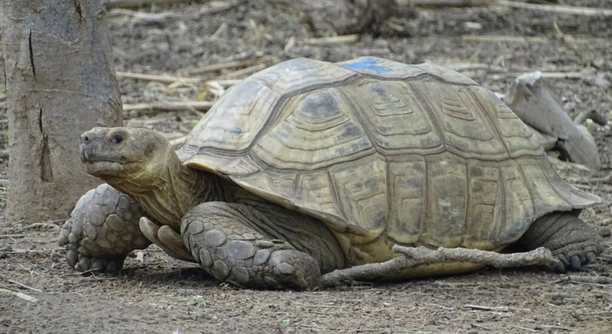
Sulcata tortoises are known for their gentle nature and unique dietary needs. As a pet owner, it’s essential to understand what foods are safe and healthy for them, and what should be avoided for their well-being.
Sulcata tortoises should not eat sunflower seeds. These seeds contain high amounts of fats, which can lead to obesity and other health problems in tortoises. Additionally, sunflower seeds can cause kidney issues and digestive problems over time.
Sunflower seeds may seem like a tasty treat, but they can cause more harm than good for your sulcata tortoise. Understanding the risks is important for maintaining their long-term health.
Why Are Sunflower Seeds Harmful for Sulcata Tortoises?
Sunflower seeds are not suitable for sulcata tortoises because of their high fat content. While fats are an essential part of many animals’ diets, tortoises, including sulcatas, do not need such a high amount of fat in their daily intake. These seeds can lead to obesity, especially when fed in large quantities. Obesity can cause various health problems for sulcata tortoises, such as difficulty moving and a shorter lifespan. Additionally, the high fat content of sunflower seeds can put unnecessary strain on their digestive system. This results in a slower metabolism and possible organ issues, particularly affecting their kidneys over time.
While sunflower seeds are not toxic, they offer little nutritional value compared to other foods that better support a sulcata tortoise’s diet. It’s best to avoid feeding them seeds altogether to ensure their health stays on track.
It’s easy to see why some might think sunflower seeds are an easy treat, but they can create significant health risks. Their high fat content outweighs any benefit they might offer as a food source.
Healthy Alternatives to Sunflower Seeds
Rather than offering sunflower seeds, consider providing more appropriate food options. A good diet for a sulcata tortoise should include leafy greens, such as dandelion greens, collard greens, and kale. These provide essential nutrients, including vitamins A and C, calcium, and fiber, which are important for healthy bones and digestion.
Another excellent food choice is hay, particularly grass hay, which supports proper digestion and helps keep the tortoise’s weight in check. Offering a variety of vegetables, such as bell peppers, squash, and carrots, will give them the nutrients they need without risking their health with fatty treats. It’s also wise to limit fruit intake, as some fruits are too sugary and can lead to weight gain. Fresh water should always be available as well, to keep your tortoise hydrated.
By sticking to foods rich in fiber and low in fats, your sulcata tortoise will stay healthy and happy for many years. These alternatives will offer everything your tortoise needs to thrive without putting their health at risk.
The Risk of Overfeeding Sunflower Seeds
Overfeeding sunflower seeds can quickly lead to obesity in sulcata tortoises. These seeds are high in fats and calories, and when given too often, they disrupt the delicate balance of their diet. Excess weight can strain their joints and internal organs, affecting their overall health.
Obesity isn’t just about appearance; it can have serious consequences for tortoises. Extra weight can make it harder for them to move around, which affects their ability to forage and exercise. This sedentary lifestyle can further contribute to weight gain, creating a cycle that’s difficult to break. If left unchecked, obesity can lead to long-term issues like metabolic diseases or fatty liver disease. It’s crucial to provide a balanced, low-fat diet to avoid these risks.
Ensuring your sulcata tortoise maintains a healthy weight involves monitoring their food intake carefully. Avoiding high-fat foods like sunflower seeds and focusing on nutrient-rich, fiber-heavy options will keep your tortoise in good shape and promote overall well-being.
The Impact of Sunflower Seeds on Digestion
Sunflower seeds are difficult for sulcata tortoises to digest, especially when fed in large quantities. Their high fat content can slow down the digestive process, leading to constipation or indigestion. These digestive problems can cause discomfort and may lead to more serious health issues over time.
When your tortoise struggles with digestion, it may stop eating or show signs of lethargy. Poor digestion also affects the absorption of essential nutrients, which can weaken the tortoise’s immune system and hinder its growth. Additionally, the undigested fats can accumulate in their system, putting further strain on their internal organs. It’s important to focus on foods that promote proper digestion, such as high-fiber leafy greens and hay. Regular hydration also plays a vital role in keeping your tortoise’s digestive system working smoothly.
By removing sunflower seeds from your tortoise’s diet and offering foods that are easier to digest, you’ll help support their digestive health and overall well-being.
The Effect of Sunflower Seeds on Kidney Health
Sunflower seeds are high in phosphorus, which can be harmful to sulcata tortoises when consumed in excess. A buildup of phosphorus in their system can strain the kidneys and lead to kidney disease. Over time, this can cause significant health problems.
Kidneys play a vital role in filtering out toxins and maintaining proper hydration. When tortoises consume too many high-phosphorus foods like sunflower seeds, their kidneys can become overloaded. This can cause long-term damage and lead to kidney failure. To prevent this, it’s essential to offer foods with a balanced ratio of calcium and phosphorus, such as leafy greens and grasses. These will help support kidney health and prevent complications.
Why Tortoises Should Avoid Processed Foods
Processed foods, including seeds, often lack essential nutrients that sulcata tortoises need. While they may seem like an easy snack, these foods offer no real nutritional benefit and can lead to imbalances in your tortoise’s diet. Always opt for fresh, natural foods to keep your tortoise healthy.
Feeding processed snacks regularly could lead to poor digestion and weight gain. Instead, prioritize offering your tortoise a variety of natural, unprocessed foods like grass, leafy greens, and flowers. These foods provide the necessary nutrients for strong bones, healthy skin, and proper organ function. Avoiding processed foods is one simple way to ensure your tortoise stays happy and active.
Sunflower Seeds and Their Effect on Shell Health
Sunflower seeds can negatively impact a sulcata tortoise’s shell health due to the imbalance they cause in their diet. A lack of key vitamins and minerals can result in soft or irregularly shaped shells. This can lead to long-term deformities and weakened defenses against injury.
For strong and healthy shells, tortoises require a balanced diet that’s rich in calcium, vitamins, and other nutrients. By sticking to leafy greens and avoiding high-fat foods like sunflower seeds, you can help promote the development of a hard, well-formed shell. Providing access to UVB light also plays a critical role in shell health. Without proper nutrition, your tortoise may experience slow growth and vulnerability to infections.
Can Sulcata Tortoises Eat Sunflower Seeds?
No, sulcata tortoises should not eat sunflower seeds. These seeds are high in fat and phosphorus, which can lead to obesity, kidney problems, and digestive issues. A tortoise’s diet needs to be low in fat and rich in fiber to promote healthy digestion and prevent weight gain. While sunflower seeds aren’t toxic, they can cause long-term health complications if consumed regularly.
Are Sunflower Seeds Safe for All Tortoises?
Sunflower seeds aren’t safe for any species of tortoise, especially those like the sulcata. Tortoises in general require a diet that focuses on low-fat, high-fiber food, such as grasses, leaves, and some vegetables. High-fat foods like sunflower seeds can lead to health problems in all tortoise species, not just sulcatas. It’s always best to focus on foods that support your tortoise’s digestive system and overall well-being.
What Should I Feed My Sulcata Tortoise Instead of Sunflower Seeds?
Instead of sunflower seeds, offer your sulcata tortoise high-fiber greens such as dandelion greens, collard greens, and kale. These provide the right balance of nutrients without the risks that come with sunflower seeds. Fresh grass hay is another excellent food choice. You can also give them small amounts of vegetables like squash, bell peppers, or carrots, and occasional fruit in moderation.
How Can Sunflower Seeds Affect a Tortoise’s Health?
Sunflower seeds can affect a tortoise’s health by leading to obesity, kidney damage, and digestive issues. The high fat and phosphorus content of these seeds can overwhelm their digestive system and put extra stress on their kidneys. Over time, this can lead to weight gain and an increased risk of organ failure. It’s important to keep their diet well-balanced and avoid fatty treats.
How Often Should I Feed My Sulcata Tortoise?
A sulcata tortoise should be fed daily, but it’s important to offer the right types of food. Their diet should primarily consist of high-fiber greens and grasses, which can be provided every day. However, you should only offer small portions of fruit and vegetables once or twice a week to prevent overfeeding. Fresh water should always be available, and it’s crucial to monitor your tortoise’s weight regularly to avoid overfeeding.
Can I Give My Tortoise Seeds or Nuts as Treats?
It’s best to avoid giving your tortoise seeds or nuts as treats. Both are high in fat and can lead to weight gain and other health issues like kidney damage and poor digestion. Instead, offer healthy alternatives like fresh greens, hay, or flowers. These are much better for their overall health and provide essential nutrients. Treats should always be used sparingly and with caution.
What are the Signs of Obesity in Tortoises?
Obesity in tortoises can be identified by weight gain, lethargy, and difficulty moving around. A tortoise that is overweight may struggle to walk, and you may notice a lack of interest in eating or exploring. Over time, obesity can lead to more serious problems like joint issues, fatty liver disease, or metabolic disorders. Monitoring your tortoise’s weight and adjusting their diet accordingly will help keep them healthy.
Can Too Much Fat Affect My Tortoise’s Digestion?
Yes, too much fat can affect a tortoise’s digestion. Fatty foods like sunflower seeds slow down the digestive process and can lead to constipation or indigestion. Over time, an excess of fat can cause the digestive system to become sluggish, affecting nutrient absorption and causing discomfort. Tortoises require a high-fiber diet to maintain healthy digestion, so it’s best to avoid fatty foods and stick to natural, fiber-rich options.
Why Should I Avoid Processed Foods for My Tortoise?
Processed foods, including seeds, are generally low in nutritional value and high in unhealthy fats or sugars. These foods can disrupt the balance of your tortoise’s diet, leading to problems like obesity and digestive issues. They don’t offer the essential vitamins and minerals that tortoises need for optimal health. Fresh, unprocessed foods like leafy greens, grass, and vegetables are always the better choice for a healthy diet.
How Can I Prevent Health Issues in My Tortoise?
To prevent health issues in your tortoise, focus on a balanced diet that’s high in fiber and low in fat. Offer a variety of leafy greens, grasses, and some vegetables, while limiting fruits and high-fat foods. Ensure they always have access to fresh water and are housed in an environment with proper temperature and lighting. Regularly monitor their weight and behavior, and avoid foods that can lead to obesity or digestive issues. Taking these steps will help your tortoise live a long, healthy life.
What Foods Should I Avoid Giving My Tortoise?
You should avoid giving your tortoise foods that are high in fat, sugar, or phosphorus. This includes sunflower seeds, nuts, and processed foods. Foods like lettuce and spinach should also be limited, as they don’t provide much nutritional value. Stick to a diet of high-fiber grasses, dandelion greens, collard greens, and other leafy vegetables for the best results.
Feeding your sulcata tortoise the right foods is essential for its long-term health and well-being. While sunflower seeds may seem like a tasty treat, they are not suitable for tortoises, including sulcatas. These seeds contain high amounts of fat and phosphorus, which can cause various health issues. Obesity, kidney problems, and digestive discomfort are just a few potential risks associated with feeding your tortoise sunflower seeds. It is important to avoid high-fat foods and instead focus on a balanced diet that supports their natural needs.
A proper diet for your sulcata tortoise should include high-fiber foods like grass hay, leafy greens, and certain vegetables. These foods provide the essential nutrients your tortoise needs to maintain a healthy weight, strong bones, and proper digestion. By offering a variety of fresh, natural foods and avoiding processed snacks, you can help ensure your tortoise remains in good health. Regularly monitor their weight and behavior to spot any potential issues early.
In summary, sunflower seeds should not be part of your sulcata tortoise’s diet. Although they may appear harmless, their high fat content can lead to serious health problems over time. Stick to natural, fiber-rich foods to keep your tortoise healthy and happy. A balanced diet, along with proper care and regular monitoring, will help your sulcata thrive for many years.

Hello,
If you enjoy the content that we create, please consider saying a "Thank You!" by leaving a tip.
Every little bit helps us continue crafting quality advice that supports the health, happiness, and well-being of pets around the world, for pets of all shapes, sizes, and species.
We really appreciate the kindness and support that you show us!