
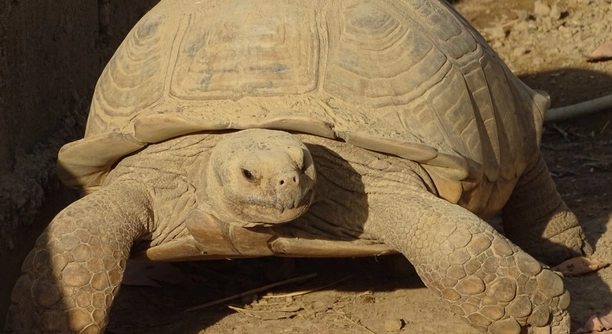
Allowing your sulcata tortoise to graze on grass can offer a variety of benefits. This practice supports their overall health and natural behavior, providing them with essential nutrients and a more fulfilling life in captivity.
Letting your sulcata tortoise graze on grass promotes better digestion, healthier shells, and helps with weight management. Grass is rich in fiber, which supports their gut health, and provides them with important vitamins and minerals essential for their well-being.
Understanding the benefits of grass grazing will help you provide a more natural, nutritious environment for your tortoise.
Promotes Natural Behavior
Allowing your sulcata tortoise to graze on grass helps them mimic their natural behavior in the wild. These tortoises are herbivores, and their instinct is to roam and graze for food throughout the day. In captivity, providing grass allows them to engage in these behaviors, improving their mental and physical health. Being able to graze freely reduces stress and helps them maintain a natural routine. When your tortoise can move around and find food as it would in the wild, it reduces the likelihood of boredom and inactivity. This leads to a more active, happier tortoise.
Grass is an excellent way to keep your sulcata tortoise’s mind sharp and engaged. In addition to eating it, they will likely spend time exploring, digging, and interacting with their environment.
By allowing access to grass, you’re giving your sulcata tortoise a chance to fulfill their natural instincts. It creates an enriching environment that benefits their overall well-being and adds variety to their diet. They get more exercise, and this movement is crucial for maintaining a healthy weight and strong muscles. These activities can also help your tortoise build strength and stamina, which is vital for their long-term health.
Supports Digestive Health
Grass provides your tortoise with the fiber needed to keep its digestive system functioning properly. Sulcata tortoises rely on high-fiber foods to maintain their gut health. Without enough fiber, they can experience digestive issues like bloating or constipation. Grass, being naturally rich in fiber, helps to prevent these problems.
Fiber aids digestion by promoting healthy gut flora and smooth bowel movements. It also ensures that food moves efficiently through the digestive tract. Healthy digestion is important for nutrient absorption, which contributes to the overall health of your tortoise.
By grazing on grass, your sulcata tortoise can get the necessary nutrients to keep its digestive system in top condition. It also helps prevent common digestive issues that might arise from a poor diet. Regular access to grass gives them the fiber they need without the risk of overfeeding on high-protein foods that can lead to imbalances. This simple, natural source of fiber helps keep their digestive tract working well. The benefits of healthy digestion go beyond just comfort – it also boosts their energy levels and helps them feel more active throughout the day.
Provides Essential Nutrients
Grass is a natural source of essential nutrients that sulcata tortoises need. These include vitamins, minerals, and trace elements that help maintain healthy bones, shells, and overall health. Providing grass as a food source ensures that your tortoise gets a well-rounded diet.
Grasses like bermuda and dandelions are rich in calcium, which is crucial for strong bones and a hard, healthy shell. Grass also contains various antioxidants that support the immune system, keeping your tortoise protected from disease. These natural nutrients are absorbed more efficiently by grazing than from commercial foods. This reduces the need for additional supplements, as long as the grass is clean and fresh.
Offering your tortoise different types of grass can provide a wide variety of nutrients. As with any food source, the diversity in the types of grass your sulcata eats will ensure that it receives all the necessary vitamins and minerals. Including a mix of grasses helps keep the diet balanced and healthy.
Promotes Healthy Weight
Feeding your sulcata tortoise grass is one of the best ways to manage its weight. Grass is low in calories but high in fiber, making it an ideal food for weight control. By grazing on grass, your tortoise can eat freely without the risk of becoming overweight.
Unlike high-fat, high-protein foods that can lead to obesity, grass offers the right balance to help your tortoise maintain a healthy weight. The fiber in grass makes your tortoise feel full without consuming excessive calories. Regular access to grass helps balance their diet and prevents overfeeding.
With grass, your sulcata tortoise gets an appropriate amount of energy while ensuring its weight remains under control. This is especially important for tortoises in captivity, where their activity levels can be more limited. By grazing on grass, your tortoise can self-regulate its food intake, maintaining the ideal body condition.
Reduces Stress
Access to grass helps reduce stress in sulcata tortoises. The act of grazing mimics natural behaviors, making your tortoise feel more secure and content. This natural activity can improve their mood and overall well-being.
When your tortoise grazes on grass, it feels more at ease in its environment. Being able to engage in instinctual behaviors decreases anxiety and frustration. Stress in tortoises can lead to health problems, and offering grass helps prevent this.
Strengthens Shells
Grass provides the necessary nutrients to help strengthen a sulcata tortoise’s shell. The natural calcium found in many grasses contributes to the formation of strong, healthy shells. A strong shell is essential for the tortoise’s protection and well-being.
The minerals in grass also support bone density, contributing to overall skeletal health. Regular grazing ensures your tortoise gets a natural, steady intake of these nutrients, helping to prevent softening or deformities in the shell. Consuming grass keeps their shell in optimal condition, which is crucial for their long-term survival.
Improves Hydration
Grasses like clover and dandelions have high water content, helping to keep your sulcata tortoise hydrated. By grazing on fresh grass, your tortoise naturally consumes some water, which contributes to its overall hydration.
Proper hydration is essential for digestion and general health. Dehydration can lead to serious issues like kidney problems or difficulty in processing food. Letting your tortoise graze on grass ensures it stays hydrated without needing to rely solely on drinking water.
FAQ
Can I feed my sulcata tortoise any type of grass?
Not all grasses are safe for your sulcata tortoise. It’s important to avoid grasses that may have been treated with pesticides or herbicides. Safe options include grasses like bermuda, timothy, and dandelion. Make sure the grass is free from chemicals and pollutants to ensure it’s safe for your tortoise to graze on. Additionally, some grasses may not provide all the nutrients your tortoise needs, so it’s a good idea to offer a variety of grass types.
How much grass should I allow my tortoise to eat?
There’s no set amount for how much grass your sulcata tortoise should eat. Ideally, you should let your tortoise graze freely in a safe area. They should be able to eat as much grass as they want without becoming overfed. However, keep an eye on their weight and health. Too much of any food, even grass, can cause digestive issues, so moderation is key. A balance of different food sources, including grass, will help keep them healthy.
How can I ensure the grass is safe for my tortoise to eat?
To ensure the grass is safe, first make sure it hasn’t been treated with chemicals like pesticides or fertilizers. Avoid grass from areas where pets or wildlife have urinated. It’s a good idea to harvest grass from your own yard if possible, or from an area you know is safe. If you are unsure about the quality, you can buy organic grass or hay from pet stores as an alternative. Always check for mold, rot, or any foreign objects that might harm your tortoise.
Can grass alone provide all the nutrition my tortoise needs?
While grass is an essential part of your sulcata tortoise’s diet, it should not be the only food they eat. Grass provides important nutrients like fiber, calcium, and other vitamins, but your tortoise also needs variety. Offer them leafy greens like collard greens, kale, and dandelion leaves, as well as safe vegetables. This variety ensures they get a well-rounded diet. Be sure to provide fresh water daily and consider offering calcium supplements if your tortoise’s diet lacks sufficient calcium.
Is it safe to feed my tortoise grass from my lawn?
It can be safe to feed your tortoise grass from your lawn, but only if you’re certain the grass has not been treated with chemicals. Many lawns use pesticides, herbicides, or fertilizers that can be harmful to your tortoise. If your lawn is untreated, it can be a great, free source of food for your tortoise. However, always inspect the grass for potential dangers such as pet waste or trash before letting your tortoise graze.
How do I know if my sulcata tortoise is eating enough grass?
A good indication that your tortoise is eating enough grass is if it is active, has a healthy weight, and is passing normal droppings. If you notice your tortoise becoming lethargic or showing signs of malnutrition (like a soft shell or slow growth), it could indicate that the diet is unbalanced. If your tortoise isn’t eating grass or other foods, try offering different varieties of safe grasses or mix in some leafy greens. Always make sure there’s fresh water available for hydration.
Can I feed my tortoise grass if it’s frozen?
Frozen grass should not be fed to your sulcata tortoise. Freezing can destroy the nutrients in the grass, making it less beneficial for them. Grass should be fresh and free from ice or frost. If you need to store grass for later use, dry it out properly and store it in a cool, dry place, turning it into hay. However, fresh, untreated grass is always the best option for your tortoise.
Can I let my tortoise graze outside in winter?
Sulcata tortoises are native to hot, arid climates, so exposing them to cold temperatures is not advisable. They should not be allowed to graze outdoors during cold weather, as they are very sensitive to low temperatures. It is best to keep your tortoise indoors during winter or in a controlled, heated environment. You can still offer them hay or dried grass indoors as a substitute for fresh grazing.
What are the benefits of allowing my tortoise to graze instead of feeding them grass in a bowl?
Allowing your tortoise to graze naturally encourages more physical activity. Grazing mimics natural behavior, which reduces stress and promotes better digestion. It also provides a more enriching experience for your tortoise, keeping it mentally and physically stimulated. Grazing outside allows your tortoise to experience its natural environment, which is healthier than simply eating from a bowl. Plus, the act of foraging for food can be more enjoyable for your tortoise than having food presented to them in a dish.
What other food sources can I offer with grass to ensure a balanced diet?
To provide a balanced diet, you can offer your sulcata tortoise a variety of leafy greens like dandelion greens, collard greens, and mustard greens. Safe vegetables like squash and bell peppers can be included as well. Avoid high-oxalate foods like spinach, as they can interfere with calcium absorption. Offer flowers such as hibiscus or roses for variety. Additionally, supplement with calcium and vitamin D3 if needed, especially if your tortoise isn’t exposed to enough sunlight. Always provide fresh, clean water to keep your tortoise hydrated.
Final Thoughts
Allowing your sulcata tortoise to graze on grass offers many health benefits. It helps support natural behaviors, provides essential nutrients, and encourages a more active lifestyle. Grazing on grass can reduce stress, improve digestion, and contribute to a healthy weight. It also strengthens their shells and helps maintain overall well-being. When grass is available, your tortoise can access natural sources of fiber and calcium, which are important for long-term health. This type of diet is closer to what they would have in the wild, making it a great addition to their care.
However, it’s important to be mindful of where the grass comes from. Always ensure that it is free from harmful chemicals like pesticides and fertilizers. Grass from your yard can be an excellent option as long as you know it hasn’t been treated. You should also make sure the grass is fresh and clean, free from debris or contaminants that could harm your tortoise. Variety is key when offering grass, so be sure to provide different types to give your tortoise a balanced diet. Grass should be just one part of their overall nutrition plan, along with leafy greens, vegetables, and proper hydration.
Incorporating grass into your sulcata tortoise’s diet is a simple and effective way to enhance their quality of life. It aligns with their natural instincts and provides essential nutrients in a way that supports their health. Whether you’re letting them graze freely or offering fresh grass as part of their diet, the benefits are clear. As with any part of their care, it’s important to stay informed and make sure you’re providing a safe and balanced environment for your tortoise to thrive.

Hello,
If you enjoy the content that we create, please consider saying a "Thank You!" by leaving a tip.
Every little bit helps us continue crafting quality advice that supports the health, happiness, and well-being of pets around the world, for pets of all shapes, sizes, and species.
We really appreciate the kindness and support that you show us!