
Paragraph 1:
Is your sulcata tortoise looking a bit too thin? It can be concerning when your beloved reptile isn’t thriving as it should. Keeping an eye on their health is essential to making sure they’re happy and well.
Paragraph 2:
A sulcata tortoise may be too skinny if its shell appears sunken or the ribs are visible, signaling poor nutrition or health issues. Regular weight monitoring and proper diet are key to preventing such problems.
Paragraph 3:
Addressing these signs early is crucial for their well-being. By ensuring a balanced diet and proper habitat, you can help your sulcata stay strong and healthy. Read on to learn how to fix these issues.
Signs Your Sulcata Tortoise Is Too Skinny
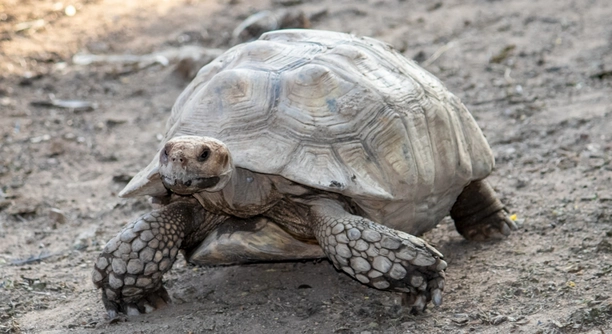
A healthy sulcata tortoise should have a full, round shape with a smooth and well-formed shell. If your tortoise seems a little too thin, you might notice its shell appearing more sunken, and its ribs could be visible. This might indicate that it is not getting the proper nutrients it needs. A noticeable weight loss or lack of energy is another warning sign. These changes can often happen gradually, so it’s important to keep an eye on their behavior and physical condition.
If you spot these signs early, you can usually fix the issue with some adjustments to their care routine. Sulcatas need a specific diet and environment to thrive. Their diet should include grasses, hay, and leafy greens. Any deviation from this can lead to malnutrition and weight loss.
It’s also essential to monitor their weight regularly. Weighing your tortoise weekly allows you to track any noticeable changes before they become serious health problems.
Common Causes for Weight Loss
A sulcata’s weight loss may stem from several causes. Inadequate food or improper temperature can contribute to poor health.
Diet plays a major role in maintaining a tortoise’s health. Sulcatas are herbivores that rely on high-fiber, low-protein foods to stay healthy. If they aren’t getting enough fiber, they might lose weight. Poor water intake or inadequate lighting can also interfere with their digestion and cause lethargy. Additionally, parasites, infections, or stress from improper living conditions can lead to unwanted weight loss.
If your sulcata isn’t gaining weight despite a proper diet, check the temperature of its habitat. They need a warm environment to digest their food effectively. The basking area should be 95-100°F, and the cooler end of their enclosure should stay around 75°F. Too much heat or too little can affect their appetite and metabolism.
Be sure to inspect your tortoise for signs of illness, as internal parasites or infections can prevent them from keeping weight on. Consult a vet if necessary.
Fixing Weight Issues
If your sulcata tortoise is too skinny, you can address it by improving both its diet and living conditions. Start by offering a proper, high-fiber diet. This includes grasses, hay, and a variety of leafy greens like dandelions, collard greens, and kale. Avoid high-protein foods, as they can cause health problems in the long run.
Make sure your tortoise has access to fresh water at all times. Dehydration can also contribute to weight loss, and ensuring your pet is drinking enough will improve its overall health. It’s also crucial to check that the habitat is set up correctly. The basking area should have consistent warmth to aid digestion, and the rest of the habitat should provide a comfortable space for movement.
Finally, regular veterinary checkups are essential. A vet can rule out any infections or parasites and provide additional guidance. With the right care, your sulcata should start gaining weight and returning to a healthier state. Keep monitoring their weight and make changes as necessary.
Importance of a Balanced Diet
A proper diet is essential for keeping your sulcata tortoise healthy and preventing it from becoming too thin. They thrive on a high-fiber, low-protein diet. Providing the right food not only helps with weight but also keeps their digestive system working smoothly.
In the wild, sulcatas graze on grasses, weeds, and other plants. Mimicking this diet in captivity is crucial for their health. Offer a variety of greens like dandelion leaves, collard greens, and turnip greens. Avoid feeding them too much fruit or high-protein foods like spinach or beans. These can cause health issues over time.
To ensure they are getting enough fiber, include hay such as timothy or grass hay. The fiber supports their digestive system and keeps them active. Providing food daily in the right amounts is important for weight management. Regularly check their weight to make sure they are maintaining a healthy size.
Habitat and Temperature Control
The environment your tortoise lives in greatly affects its health, including its ability to maintain a healthy weight. If the temperature is too cold or too hot, your sulcata may struggle to digest food and could become malnourished.
Ensure your tortoise’s enclosure has a warm basking area, ideally between 95-100°F, to help with digestion. The rest of the space should be cooler, around 75°F. Sulcatas need the variation in temperature to regulate their body heat and maintain proper digestion. Without this, they might become lethargic, leading to reduced appetite and weight loss.
Make sure there are no drafts, as these can affect the tortoise’s ability to regulate its body temperature. Also, ensure access to UVB light, which helps in calcium absorption, keeping the tortoise’s bones strong and healthy. Regularly check the temperature to make sure it remains within the recommended range for their well-being.
Water Intake
Hydration is crucial for your sulcata tortoise to maintain a healthy weight. Dehydration can lead to digestive issues and poor health, so it’s important to provide fresh water daily.
Place a shallow dish of water in their habitat, ensuring it’s easily accessible. Check the water regularly and change it to keep it clean. Offer your tortoise a soak in warm water for about 20 minutes a few times a week to help with hydration.
Regular Weighing
Monitoring your sulcata’s weight is key in detecting any weight loss or gain. By weighing your tortoise consistently, you can track its health and make necessary adjustments to its diet or care.
Use a small scale to measure its weight weekly. This will help you spot changes early and act quickly to address any concerns.
Parasites and Illness
Parasites and illness can cause weight loss in sulcatas. If your tortoise isn’t gaining weight despite a proper diet, it may be dealing with an infection or internal parasites.
A visit to the vet can confirm any medical issues. If parasites are the cause, treatment is available and will help your tortoise regain its weight.
FAQ
How do I know if my sulcata tortoise is underweight?
If your sulcata tortoise looks too thin, you might notice a sunken shell or visible ribs. A healthy tortoise should have a full, round shell, and its body should not appear too bony. If your tortoise is not eating well or seems lethargic, this could be another sign of being underweight.
What should I feed my sulcata to help it gain weight?
To help your sulcata gain weight, focus on a high-fiber, low-protein diet. Provide plenty of grasses, hay, and leafy greens like dandelion leaves, collard greens, and turnip greens. Avoid giving them too much fruit or high-protein foods like spinach, as this can lead to health problems.
How much should I feed my sulcata tortoise?
The amount you feed your sulcata depends on its size and age. A juvenile might eat a bit more frequently than an adult. Offer food daily and ensure it has access to fresh water. Adjust the amount based on your tortoise’s activity level and weight. Keep an eye on its size and make changes as necessary.
Can stress make my sulcata tortoise lose weight?
Yes, stress can affect your sulcata tortoise’s health. A stressed tortoise may lose its appetite and refuse to eat. Common stress factors include being in an overly hot or cold environment, loud noises, too much handling, or an overcrowded enclosure. Creating a calm, stable environment is crucial for your tortoise’s well-being.
Is it normal for my sulcata tortoise to lose weight in the winter?
Some weight loss in winter can be normal due to the cooler temperatures and lower activity levels. However, significant weight loss is not typical and could be a sign of a more serious problem. If your tortoise is losing weight rapidly during the winter, check its habitat’s temperature and lighting, and consult a vet if necessary.
How can I tell if my sulcata tortoise is sick?
Signs of illness in sulcata tortoises include lack of appetite, lethargy, excessive weight loss, or abnormal shell appearance. If your tortoise is hiding more than usual, has runny eyes or nose, or is acting abnormally, it could be sick. It’s always best to consult a vet if you notice any unusual behavior.
Can I feed my sulcata tortoise fruits?
Fruits should be given sparingly to sulcatas. While they enjoy them, fruits are high in sugar and can lead to digestive problems if overfed. Stick to leafy greens, grasses, and hay as the main food sources, with fruits being an occasional treat.
How can I encourage my sulcata tortoise to eat more?
To encourage your sulcata to eat, make sure its environment is comfortable and stress-free. You can also try offering a variety of fresh, nutrient-rich greens to spark its interest. Ensure that your tortoise has access to proper lighting and temperature, as both can affect its appetite. Soaking the greens in water can sometimes help as well.
Can dehydration cause my sulcata tortoise to lose weight?
Yes, dehydration can affect a tortoise’s appetite and overall health, leading to weight loss. Ensure your tortoise has access to fresh water at all times. Offering a soak in warm water can also help with hydration, especially if the tortoise is reluctant to drink.
What should I do if my sulcata tortoise is not gaining weight?
If your sulcata tortoise is not gaining weight, first make sure it’s eating the right foods. If the diet and habitat are appropriate, but weight is still not improving, check for any signs of illness or parasites. In such cases, a visit to the vet is necessary to rule out any health problems.
How often should I take my sulcata tortoise to the vet?
Regular vet checkups are important, especially if you notice any signs of illness or weight loss. A visit at least once a year is ideal for preventative care. If your tortoise shows any signs of distress or unintentional weight loss, a trip to the vet should be scheduled immediately.
Final Thoughts
It’s important to keep a close eye on your sulcata tortoise’s health, especially if it appears too thin. Recognizing the signs of weight loss early can help you take the necessary steps to improve its diet and living conditions. A healthy sulcata should have a full, round shell, and its ribs shouldn’t be visible. If you notice these signs, consider adjusting their diet, providing a warmer environment, and ensuring they have access to fresh water. Regularly weighing your tortoise can help you track any changes in weight and allow you to act quickly if needed.
A balanced diet is the key to maintaining a healthy sulcata tortoise. They need high-fiber, low-protein foods like grasses and leafy greens to thrive. Avoid feeding them too much fruit or high-protein vegetables, as these can lead to health issues. Make sure your tortoise has a consistent supply of fresh water and the proper lighting to aid in digestion. Keeping their environment at the right temperature is also essential for their well-being. A basking area around 95-100°F will help with digestion, while cooler areas around 75°F are ideal for rest.
If your sulcata tortoise is still not gaining weight despite making these adjustments, it’s important to consider other factors such as parasites or illness. Internal parasites or infections can prevent a tortoise from absorbing nutrients properly, leading to weight loss. If necessary, seek the advice of a veterinarian who specializes in reptiles. With the right care and attention, your sulcata tortoise can regain its health and maintain a healthy weight for a long, happy life.

Hello,
If you enjoy the content that we create, please consider saying a "Thank You!" by leaving a tip.
Every little bit helps us continue crafting quality advice that supports the health, happiness, and well-being of pets around the world, for pets of all shapes, sizes, and species.
We really appreciate the kindness and support that you show us!