
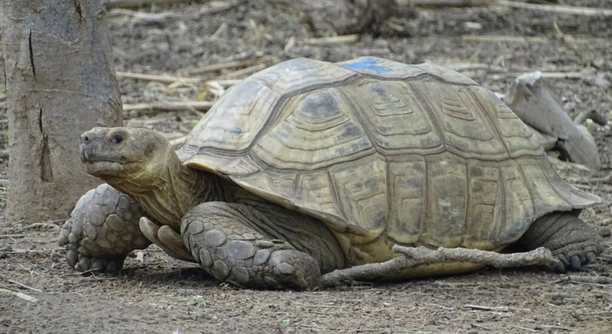
Caring for a Sulcata tortoise requires attention to their health. Like any pet, understanding signs of illness can ensure they stay happy and strong. Knowing what to look for can help you take the right steps.
A sick Sulcata tortoise may show changes in behavior, appetite, or appearance. Signs such as lethargy, poor eating habits, and abnormal shell growth indicate the need for immediate veterinary care. Monitoring these changes helps detect illness early.
Knowing how to spot the signs of illness in your Sulcata tortoise is essential for their well-being. Keep reading to learn more!
Changes in Behavior
If your Sulcata tortoise becomes unusually lethargic or less active, it could be a sign of illness. Normally, these tortoises are active and curious, so a noticeable decrease in movement should be taken seriously. When they stop eating or drinking as much, their energy levels also drop. Keep track of any change in their activity level, as this can indicate something is wrong. If you notice your tortoise hiding more often or acting out of character, it may be time to check in with a vet.
Sometimes, the change in behavior can be subtle, but it’s worth noting. A tortoise that spends more time in its shell or refuses to move should be examined. These behaviors are often the first signs of distress.
Acting quickly when noticing behavior changes can help avoid serious health issues. Even small signs should not be ignored to ensure your tortoise gets the care it needs.
Changes in Eating Habits
Changes in eating habits are one of the most noticeable signs of illness. A sudden lack of appetite or refusal to eat certain foods may signal a problem.
Sulcata tortoises are herbivores and rely on a balanced diet for health. If they suddenly refuse leafy greens or their usual diet, it could be due to illness. Stress or temperature changes can also affect their appetite. If this change lasts for more than a day or two, it’s time to monitor them more closely.
Dehydration can also result from changes in eating habits. If your tortoise is not drinking water, its overall health can decline quickly. Make sure to monitor their food intake, including how much they’re drinking. A lack of water can lead to serious issues, such as kidney failure.
Abnormal Shell Growth
Abnormalities in your tortoise’s shell can be a major sign of poor health. If the shell looks soft, swollen, or has unusual discoloration, it could indicate infection or nutritional deficiencies. Shell problems can result from parasites, improper diet, or bacterial infections.
The health of your Sulcata’s shell reflects its overall well-being. Healthy shells are hard, smooth, and should not have any soft spots. Any change in texture, such as bumps, pits, or softening, could suggest an underlying issue. If the shell starts to show visible cracks or breaks, this could indicate malnutrition or poor environmental conditions.
Proper care, including balanced nutrition and clean living conditions, is key in preventing shell issues. If you notice any signs of abnormal shell growth or damage, immediate veterinary attention is necessary. It’s important to act quickly to avoid long-term damage.
Lethargy and Lack of Movement
If your Sulcata tortoise shows signs of lethargy or limited movement, this could indicate an issue. These tortoises are generally active and curious, so any sudden change in their behavior should not be overlooked.
Lack of movement may stem from various causes, including infection, dehydration, or temperature problems. Sulcata tortoises rely on the proper environment to stay active. If your tortoise is spending excessive time hiding or staying in one spot, it could be an indicator that something is wrong. It’s important to check its enclosure for proper lighting, temperature, and humidity.
In some cases, lethargy may also suggest that the tortoise is in pain or feeling unwell. If the condition persists, it’s best to consult a veterinarian. Early detection is crucial for recovery.
Respiratory Issues
Respiratory problems can often be identified through wheezing, labored breathing, or nasal discharge. These signs point to a possible respiratory infection or respiratory distress.
Sulcata tortoises are vulnerable to respiratory infections due to poor environmental conditions, such as improper humidity or temperature levels. If your tortoise is showing symptoms like wheezing or a runny nose, it’s essential to address these issues immediately. Respiratory infections can worsen quickly if not treated, and your tortoise may also appear more lethargic or have difficulty eating.
Keeping your tortoise in a stable, controlled environment with proper humidity and temperature can help avoid respiratory issues. If symptoms continue, seeing a vet for treatment is vital to avoid further complications.
Abnormal Urination
Changes in urination, like excessive or reduced urine output, can point to health issues. Pay attention to any unusual color or consistency in their urine.
If you notice any signs of abnormal urination, such as a lack of urination or an increased amount of urination, it could suggest dehydration or kidney problems. Dehydration is common in tortoises and can lead to more severe complications if not addressed. Ensuring your tortoise has access to clean water and a balanced diet will help keep hydration levels normal.
Make sure to monitor any changes and address them quickly to avoid serious health concerns.
Weight Loss
Unexpected weight loss in a Sulcata tortoise is often linked to poor health. It can result from stress, illness, or an insufficient diet.
Sulcata tortoises should have steady weight, as significant loss can signal underlying issues. A lack of proper nutrients or a change in behavior may cause weight loss. Ensure your tortoise is eating enough and that its diet includes the right amount of fiber and calcium. A decrease in appetite, coupled with weight loss, could be a sign of digestive issues, infection, or other health problems.
If the weight loss continues, consult a veterinarian for a proper diagnosis.
Difficulty in Basking
If your tortoise seems uninterested in basking or does not seek out warmth, it could be a sign of illness. A healthy Sulcata tortoise will naturally seek out sunlight or a heat source to regulate its body temperature.
The basking area should be kept at the correct temperature for your tortoise to stay healthy. If your Sulcata is avoiding the basking spot, it may be experiencing discomfort or have an underlying health condition affecting its ability to regulate body heat. Illnesses or environmental stress can lead to discomfort in reaching the optimal temperature.
Keep the enclosure temperature in check and observe your tortoise’s behavior closely to prevent further issues.
FAQ
How can I tell if my Sulcata tortoise is too cold?
If your tortoise is cold, it may become sluggish or inactive, seeking warmer areas. Cold tortoises often hide more and can show a lack of interest in eating or moving. Ensure the enclosure has the proper temperature gradient, with a basking spot that reaches around 95°F to 100°F (35°C to 38°C). Tortoises need this warmth for digestion and overall health. If your Sulcata is not basking or seeking warmth, it may be a sign the temperature is too low for comfort.
What is the best diet for my Sulcata tortoise?
Sulcata tortoises primarily need a diet high in fiber and low in protein. They thrive on grasses, weeds, and hay, which are rich in nutrients and fiber that aid in digestion. Avoid feeding them high-protein foods like meat or excessive fruits. Leafy greens such as dandelion, collard greens, and mustard greens are great choices. A small amount of fruit can be offered occasionally, but it shouldn’t be a regular part of their diet. Calcium supplements are also necessary to promote healthy shell growth.
How much should my Sulcata tortoise eat?
The amount your tortoise eats depends on its age and size. A young tortoise will eat more frequently, while an adult Sulcata needs less food but should have a steady supply. A general rule is to provide food once a day, enough to fill its plate with fibrous plants like grasses and greens. Overfeeding can lead to obesity, which causes health problems, so be sure not to leave food in the enclosure all day. Monitor their weight to ensure a balanced diet.
Can Sulcata tortoises eat fruits?
Fruits can be a treat for your Sulcata but should only be given occasionally. They are high in sugars and can upset the digestive balance if fed too often. A small amount of fruit like apple, melon, or berries can be introduced in moderation. Stick to offering fruits no more than once a week to prevent excess sugar intake, which could lead to health issues like obesity or digestive problems.
How long do Sulcata tortoises live?
Sulcata tortoises are known for their long lifespan. In captivity, they can live up to 50 years or more with proper care. Their lifespan can be shorter in the wild due to predators and other factors, but a well-maintained tortoise in an appropriate environment will likely live to see many decades. It’s important to plan for their long-term care, as they need a stable and well-maintained habitat for much of their lives.
What temperature should my Sulcata tortoise’s habitat be?
Sulcata tortoises require a temperature gradient in their habitat, with a warm basking area of around 95°F to 100°F (35°C to 38°C). The cooler side of their enclosure should be around 75°F to 85°F (24°C to 29°C). At night, temperatures should not drop below 65°F (18°C). Proper heat and lighting are essential for their digestion and overall health. A UVB light source is also important for calcium absorption.
How do I set up a proper enclosure for my Sulcata tortoise?
A Sulcata tortoise needs a spacious outdoor enclosure or a large indoor space with proper temperature control. The enclosure should provide both a warm basking area and a cooler, shaded area. Fencing should be sturdy and high enough to prevent them from escaping, as they can climb. The ground should be covered with a substrate like grass or hay. Make sure there are plenty of hiding spots and water sources. In cold climates, providing an indoor setup with proper heating and UVB lighting is important during colder months.
How often should I clean my Sulcata tortoise’s enclosure?
Regular cleaning is essential to maintain a healthy environment for your tortoise. Spot clean daily by removing feces and uneaten food. A deep clean, where you change the substrate and disinfect surfaces, should be done once a month. This helps reduce bacteria and parasites that could affect your tortoise’s health. Make sure to also clean water dishes frequently to ensure fresh drinking water.
What signs indicate that my Sulcata tortoise is dehydrated?
Dehydration in Sulcata tortoises can be serious. Signs include lethargy, dry or wrinkled skin, and reduced urination. Dehydrated tortoises may also appear to be sluggish and may refuse food or water. To prevent dehydration, always provide fresh water and ensure your tortoise has access to areas with proper humidity. A shallow soaking dish is also a good idea to encourage drinking and hydration.
Can I keep my Sulcata tortoise with other animals?
Sulcata tortoises can generally be kept with other tortoises, but it’s not always ideal to mix them with other species of animals, especially smaller ones. They can be territorial and may not tolerate other species, which could lead to stress or injury. It’s safest to house them alone or with other Sulcata tortoises, provided they have enough space and resources to avoid conflict. Always monitor interactions to ensure there are no signs of aggression.
Is it necessary to supplement my Sulcata tortoise’s diet?
Yes, it is recommended to provide calcium and vitamin D3 supplements, especially if your tortoise’s diet is lacking in these nutrients. Calcium is critical for healthy bone and shell growth. You can dust their food with a calcium supplement a few times a week. Be careful not to over-supplement, as this could lead to other issues. Make sure they also have access to natural sunlight or a UVB light source for proper calcium absorption.
Final Thoughts
Taking care of a Sulcata tortoise requires attention to detail and a commitment to providing the right environment for them to thrive. From their diet to their habitat, each aspect of their care plays a role in ensuring their health and happiness. As one of the largest tortoise species, they need ample space, the proper temperature, and a consistent diet rich in fiber and low in protein. Their long lifespan means that proper care is a long-term responsibility, so it’s important to stay informed and prepared for the challenges that come with their care.
Dehydration and temperature regulation are two common issues to watch out for when keeping a Sulcata tortoise. Their natural environment is hot and dry, which is why maintaining the right humidity and providing regular access to water is essential. A proper heat gradient, along with access to UVB light, is necessary for them to digest food properly and stay healthy. As these tortoises grow, their needs may change, so it’s essential to adjust their living conditions and diet accordingly. Understanding these basic needs will help keep your Sulcata tortoise in good shape.
In conclusion, Sulcata tortoises make fascinating pets, but they require a lot of effort to care for correctly. Regular cleaning, monitoring their diet, and adjusting their habitat are all necessary tasks. If you stay diligent and provide the right care, your tortoise can live a long, healthy life. The bond you form with these gentle creatures is rewarding, but it’s important to remember that they are a lifelong commitment. By following the care guidelines, you can ensure your Sulcata tortoise lives a happy and comfortable life in your care.

Hello,
If you enjoy the content that we create, please consider saying a "Thank You!" by leaving a tip.
Every little bit helps us continue crafting quality advice that supports the health, happiness, and well-being of pets around the world, for pets of all shapes, sizes, and species.
We really appreciate the kindness and support that you show us!