
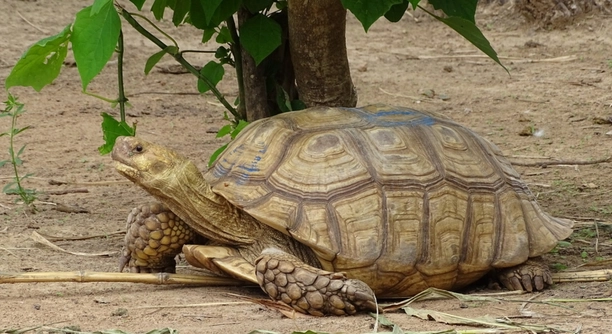
Do you ever find yourself wondering if it’s safe to feed your Sulcata tortoise mushrooms? Understanding their dietary needs can help you make informed choices to keep your tortoise healthy and happy.
Mushrooms are not recommended for Sulcata tortoises. While some mushrooms may be non-toxic, many can be harmful or even fatal. Their digestive systems are adapted for high-fiber, low-protein diets primarily consisting of grasses, hay, and leafy greens.
Mushrooms may seem harmless, but knowing what your tortoise can and cannot eat is essential for their long-term health.
Can Sulcata Tortoises Eat Mushrooms Safely?
Sulcata tortoises thrive on a diet rich in grasses and leafy greens, which supports their high-fiber, low-protein nutritional needs. Mushrooms, while sometimes non-toxic, are not a suitable food choice for these tortoises. Their digestive systems are not designed to process fungi, and certain wild mushrooms can be highly toxic. Feeding mushrooms can lead to digestive upset, toxicity, or even life-threatening reactions. Stick to safe, well-known foods like Bermuda or Timothy hay to keep your tortoise healthy. Avoid experimenting with mushrooms or other unfamiliar foods to prevent unintended health issues that may arise.
Mushrooms don’t provide the nutrients Sulcata tortoises need. Offering them grasses, hay, and occasional leafy greens ensures proper growth, strong shells, and long-term well-being.
Understanding why mushrooms are unsuitable helps clarify the importance of a fiber-rich diet. Tortoises rely heavily on plant matter, and fungi do not meet their specific dietary requirements. Focus on safe, natural foods for their optimal health.
Health Risks of Feeding Mushrooms to Sulcata Tortoises
Feeding mushrooms to Sulcata tortoises can pose significant health risks. Even store-bought varieties might cause digestive discomfort or other adverse reactions, while wild mushrooms can be extremely toxic.
Mushrooms contain compounds that are difficult for tortoises to digest. In the wild, tortoises instinctively avoid fungi, relying on grasses that provide the right balance of fiber and nutrients. Ingesting mushrooms can lead to symptoms like lethargy, diarrhea, or more severe poisoning effects. Since tortoises lack the necessary enzymes to break down fungal components, their bodies struggle to process these unfamiliar substances. Some mushrooms may even have toxins that affect the liver or nervous system, potentially causing irreversible damage.
To protect your tortoise, focus on a diet of nutrient-rich grasses and weeds. Avoid feeding mushrooms altogether, as the potential health risks far outweigh any perceived benefit. If you suspect your tortoise has eaten mushrooms, contact a reptile veterinarian immediately to ensure their safety and health.
Why Mushrooms Are Not Suitable for Sulcata Tortoises
Mushrooms lack the essential nutrients that Sulcata tortoises need for proper growth and development. Their diet should be primarily composed of fiber-rich grasses and hay, with fungi offering no real nutritional benefit to these reptiles.
The digestive system of Sulcata tortoises is specialized to break down cellulose found in grasses. Mushrooms, on the other hand, contain compounds like chitin that their bodies cannot process efficiently. Feeding mushrooms may lead to digestive problems, such as bloating or diarrhea. In some cases, certain fungi may introduce toxins that cause severe health complications. Even safe-looking mushrooms can pose hidden dangers, especially when sourced from outdoor areas.
To maintain your tortoise’s health, it’s best to avoid mushrooms entirely. Stick with well-established dietary staples like orchard grass, Timothy hay, and dandelion greens. These foods provide the fiber, vitamins, and minerals Sulcata tortoises need while reducing the risk of digestive distress or toxic exposure.
Safe Food Alternatives for Sulcata Tortoises
Grasses and hay should make up the majority of a Sulcata tortoise’s diet. High-fiber options like Bermuda grass, orchard grass, and Timothy hay support healthy digestion and prevent issues like shell deformities and pyramiding.
Leafy greens can be offered in moderation to provide additional nutrients. Dandelion greens, collard greens, mustard greens, and hibiscus leaves are great options. Avoid spinach and kale, as these contain oxalates that can interfere with calcium absorption. Occasionally, you can add safe flowers like hibiscus and nasturtiums to provide variety while keeping the diet natural and balanced.
Fruits should be avoided or given sparingly, as their high sugar content can cause digestive problems. Focus on providing a consistent, fiber-rich diet with calcium supplements when necessary. A well-rounded diet will help your Sulcata tortoise maintain a strong shell and overall good health for years to come.
How to Spot Toxic Mushrooms
Identifying toxic mushrooms can be tricky. While some look similar to edible varieties, they can cause serious harm to Sulcata tortoises. The best approach is to avoid feeding any mushrooms at all.
Wild mushrooms are especially risky, as they can be contaminated with toxic compounds. Even cultivated mushrooms may contain chemicals or mold that can harm your tortoise.
What to Do If Your Tortoise Eats Mushrooms
If your Sulcata tortoise accidentally eats mushrooms, act quickly. Contact a reptile veterinarian immediately for advice. Symptoms to watch for include lethargy, vomiting, or diarrhea. Prompt treatment can reduce the risk of serious health issues.
Keep an eye on your tortoise’s behavior and make sure they are hydrated while you wait for professional help.
FAQ
Can Sulcata tortoises eat mushrooms from the wild?
No, it is best to avoid feeding Sulcata tortoises wild mushrooms. Many mushrooms found in the wild can be toxic, and even non-toxic varieties may cause digestive issues. Wild mushrooms can be contaminated with mold, pesticides, or other harmful substances that could harm your tortoise.
Are store-bought mushrooms safe for Sulcata tortoises?
Store-bought mushrooms are not recommended for Sulcata tortoises. While some varieties may not be immediately toxic, they are not suitable for their digestive systems. Mushrooms do not provide the necessary nutrients these tortoises require, and feeding them can result in digestive upset or long-term health problems.
How do I know if my tortoise is sick after eating mushrooms?
If your Sulcata tortoise has eaten mushrooms, look out for signs like lethargy, diarrhea, lack of appetite, or difficulty moving. These could be symptoms of toxicity or digestive problems. If you notice any of these signs, contact a reptile veterinarian immediately for guidance.
What should I do if my tortoise eats mushrooms?
If your Sulcata tortoise eats mushrooms, act quickly. Remove any remaining mushrooms from their enclosure, monitor them for unusual behavior, and contact a reptile vet as soon as possible. The vet may recommend treatment, such as fluids or other methods, to help your tortoise recover.
Can Sulcata tortoises eat any mushrooms at all?
Even though some mushrooms are not inherently toxic, it is not safe to feed them to Sulcata tortoises. Their digestive systems are not built to handle mushrooms, and the potential risks of feeding them outweigh any possible benefit. Stick to safe food choices like grasses and leafy greens.
What are the best food options for Sulcata tortoises?
Sulcata tortoises do best on a high-fiber diet. The primary food should be grasses like Bermuda, Timothy, or orchard grass. You can also offer leafy greens such as dandelion greens, collard greens, or mustard greens. These foods provide the necessary vitamins and minerals for a healthy tortoise.
Can Sulcata tortoises eat vegetables or fruits?
Sulcata tortoises can eat certain vegetables, but these should be given in moderation. Vegetables like squash, bell peppers, and cactus pads are safe options. Fruits should be offered sparingly because they are high in sugar, which can lead to digestive problems or obesity.
Are there any plants that are dangerous for Sulcata tortoises?
Yes, there are several plants that can be toxic to Sulcata tortoises. Some common examples include oleander, daffodils, and azaleas. Always research a plant before offering it to your tortoise to ensure it’s safe. Stick with known, safe plants and avoid feeding them anything uncertain.
How much food should I feed my Sulcata tortoise?
The amount of food depends on the age and size of your Sulcata tortoise. Younger tortoises generally eat more frequently, while adults require larger meals less often. A general guideline is to offer food once a day for younger tortoises and every other day for adults. Monitor your tortoise’s weight and adjust their food intake as necessary.
Can Sulcata tortoises eat mushrooms if they’re cooked?
It is not recommended to feed cooked mushrooms to Sulcata tortoises either. Cooking may alter the mushroom’s components, but it does not change the fact that mushrooms are not a natural or necessary part of a tortoise’s diet. Stick to safe, high-fiber plants to keep your tortoise healthy.
Are there any benefits to feeding mushrooms to Sulcata tortoises?
There are no significant benefits to feeding mushrooms to Sulcata tortoises. Their digestive systems are not designed to handle fungi, and mushrooms do not provide the essential nutrients that tortoises require for healthy growth and shell development. It’s best to avoid mushrooms completely.
What is the most important part of a Sulcata tortoise’s diet?
The most important part of a Sulcata tortoise’s diet is high-fiber grasses and hay. These provide the necessary nutrients, support healthy digestion, and help prevent shell deformities. Grasses should make up about 80-90% of their diet, with safe leafy greens and occasional flowers rounding out the rest.
Can I feed my Sulcata tortoise mushrooms occasionally as a treat?
No, mushrooms should not be used as a treat for Sulcata tortoises. Even occasional feeding can cause harm to their digestive system or lead to toxicity. Stick to safe and appropriate foods, such as grasses and leafy greens, to ensure the long-term health of your tortoise.
What happens if a Sulcata tortoise eats poisonous mushrooms?
If a Sulcata tortoise consumes poisonous mushrooms, it can experience severe symptoms, such as vomiting, diarrhea, lethargy, and even organ failure. In some cases, eating toxic mushrooms can be fatal. If you suspect poisoning, contact a reptile vet immediately for urgent care and treatment.
How can I ensure my Sulcata tortoise has a balanced diet?
To provide a balanced diet for your Sulcata tortoise, focus on high-fiber grasses and hay, along with safe leafy greens. Calcium and vitamin D3 supplements are also important for shell and bone health. Avoid foods that are high in oxalates, phosphorus, or sugar. Keep their diet simple and consistent.
Final Thoughts
Mushrooms should not be a part of your Sulcata tortoise’s diet. Despite their appearance or availability, mushrooms do not provide the necessary nutrients that these tortoises need to stay healthy. Their digestive systems are specifically designed to process fiber from grasses and certain greens, not the complex compounds found in mushrooms. Offering mushrooms, whether they’re store-bought or wild, can lead to digestive issues, toxicity, or even serious health complications. For the safety and well-being of your tortoise, it’s best to avoid mushrooms entirely.
Instead, focus on a diet rich in grasses, hay, and safe leafy greens. These foods are much more suitable for Sulcata tortoises, providing the fiber they need to maintain proper digestion and healthy growth. Grasses like Bermuda or Timothy hay should make up the bulk of their meals, with occasional additions of safe greens like dandelion greens or collard greens. This diet helps promote strong shells and bones, while also preventing common health issues that can arise from improper nutrition. Offering a consistent, balanced diet will ensure your tortoise lives a long, healthy life.
If you’re ever in doubt about what foods are safe, it’s always a good idea to consult a reptile veterinarian. They can offer advice on diet and answer any specific questions you may have regarding your Sulcata tortoise’s health. By being mindful of what you feed them, you can ensure they are getting the best nutrition possible. In the case of any dietary mistakes, such as accidental mushroom consumption, quick action is crucial. Monitoring your tortoise closely and seeking professional help when needed can help mitigate potential harm. Taking these steps will provide your tortoise with the best care and a healthier, happier life.

Hello,
If you enjoy the content that we create, please consider saying a "Thank You!" by leaving a tip.
Every little bit helps us continue crafting quality advice that supports the health, happiness, and well-being of pets around the world, for pets of all shapes, sizes, and species.
We really appreciate the kindness and support that you show us!