
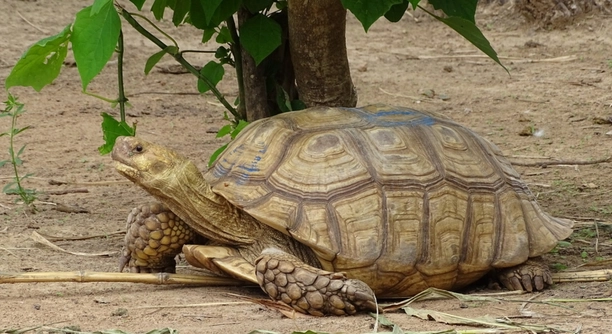
Do you ever find yourself wondering how to properly handle a sulcata tortoise to ensure its safety and well-being? These large, friendly reptiles require special care and attention to prevent stress, injury, or discomfort during handling.
The best way to handle a sulcata tortoise is to lift it gently with both hands, supporting its entire body. Avoid grabbing it by the shell’s edges or flipping it upside down, as this can cause stress and potential health issues.
Handling a sulcata tortoise correctly helps maintain its health and trust. Learning the essential do’s and don’ts will ensure a safe and comfortable experience for both you and your tortoise.
Understanding Sulcata Tortoise Behavior
Sulcata tortoises are curious and active creatures that enjoy exploring their surroundings. They can grow quite large and develop strong personalities, making it essential to understand their behavior. These tortoises do not enjoy frequent handling, as it can cause stress. Instead, they prefer to roam freely in a safe environment. Observing their movements and reactions will help you recognize when they feel comfortable or uneasy. If a sulcata pulls its head and limbs into its shell, it may be feeling threatened. Learning to read these signals ensures a positive interaction with your tortoise.
Always handle a sulcata with care and patience. Lifting it abruptly or too high off the ground can make it feel unsafe. Keep handling to a minimum and provide a stable, enclosed outdoor space where it can move freely. This allows the tortoise to feel secure while still being part of your daily routine.
Providing a proper environment reduces the need for excessive handling. A large, enclosed outdoor space with dry, warm conditions will help your sulcata thrive. Adding hiding spots and sturdy shelters can make it feel secure. When interacting with your tortoise, remain calm and gentle to build trust. Keeping stress levels low will support its overall health and well-being.
Do’s of Handling a Sulcata Tortoise
Always support a sulcata tortoise’s entire body when lifting it. Holding it securely and close to the ground prevents accidental drops. Limit handling to necessary situations, such as health checks or enclosure cleaning, to reduce stress.
Providing a well-maintained environment is key to keeping your tortoise comfortable. Ensure its enclosure is spacious, with dry soil and plenty of room to move. A temperature-controlled space with access to shade and fresh water will keep it healthy. Offering a proper diet, including grasses and hay, supports its growth and prevents health issues. When picking up your sulcata, approach it calmly from the side rather than from above. This prevents unnecessary stress and helps it feel safe.
Regularly observing your tortoise allows you to notice any changes in its behavior or health. Checking for signs of discomfort, such as lack of appetite or unusual movement, helps prevent potential health problems. Handling your tortoise correctly and providing a stable environment will ensure it remains happy and healthy.
Don’ts of Handling a Sulcata Tortoise
Never pick up a sulcata tortoise by its shell edges or limbs. This can cause discomfort and potential injury. Avoid flipping it over, as this can lead to serious health issues. Do not handle it frequently, as excessive contact can cause stress and disrupt its natural behavior.
Avoid sudden movements or loud noises when interacting with your tortoise. These actions can startle it, making it retract into its shell and become anxious. If a sulcata feels threatened often, it may develop stress-related health problems. Always be mindful of its comfort, especially when introducing new people or animals into its space. Keeping interactions gentle and predictable will help maintain its well-being.
Do not place a sulcata on high surfaces or carry it around unnecessarily. These tortoises are heavy, and a fall can lead to severe injuries. If moving your tortoise is necessary, lift it securely and keep it close to the ground. Also, avoid placing it on slippery floors, as they need proper traction to walk safely. Providing a stable and comfortable environment will reduce the need for frequent handling and ensure your tortoise stays safe.
Creating a Safe Environment for Your Sulcata
A sulcata tortoise needs a large outdoor space with secure fencing. It enjoys digging and may try to escape if the enclosure is not properly reinforced. A dry, warm environment with a mix of open areas and shaded spots will help it stay comfortable throughout the day.
The enclosure should have sturdy shelters where the tortoise can rest and feel safe. Providing a well-draining substrate, such as sandy soil, prevents shell rot and other health issues. Fresh water should always be available, but avoid deep water sources, as sulcatas are not strong swimmers. Maintaining proper humidity levels is also important, as overly damp conditions can cause respiratory problems. A well-planned habitat ensures your tortoise can thrive.
Temperature control is essential for a sulcata’s health. In colder months, a heated shelter or indoor space may be necessary to prevent health risks. Ensuring proper ventilation and regular cleaning will keep the environment safe. Providing a balanced diet, secure space, and consistent care will allow your tortoise to live a long, healthy life.
Common Mistakes to Avoid
Leaving a sulcata tortoise in a small enclosure can lead to stress and poor health. These tortoises need plenty of space to roam and graze. A cramped environment can cause behavioral issues and limit their ability to move naturally.
Feeding inappropriate foods, such as fruits or high-protein items, can harm their digestive system. Sulcatas require a high-fiber diet consisting mainly of grasses and hay. Avoid offering processed foods or vegetables that contain excessive water, as these can lead to digestive problems and long-term health issues.
Proper Diet for a Sulcata Tortoise
A sulcata tortoise thrives on a diet rich in grasses, hay, and leafy greens. Foods like Bermuda grass, Timothy hay, and dandelion greens provide essential nutrients. Limit vegetables to occasional treats, and completely avoid fruits, as their sugar content can cause digestive problems. Fresh water should always be available.
Monitoring Your Sulcata’s Health
Regularly check for signs of illness, such as a soft shell, lack of appetite, or labored breathing. Observe its movement and eating habits to detect any unusual behavior. If you notice changes, consult a reptile veterinarian immediately to ensure proper care and treatment.
FAQ
How big do sulcata tortoises get?
Sulcata tortoises can grow quite large, with some reaching up to 30 inches in length and weighing as much as 100 to 200 pounds. Females are typically smaller than males. Because of their size, it’s important to plan for a spacious, secure enclosure to accommodate their growth.
How long do sulcata tortoises live?
Sulcata tortoises are known for their longevity and can live up to 50 years or more with proper care. Some have been known to live well beyond that, with the potential to reach up to 80 years. This means they require long-term commitment and care.
Do sulcata tortoises need a special diet?
Yes, sulcata tortoises require a high-fiber diet that consists mostly of grasses and hay. Foods such as dandelion greens, clover, and other weeds are great options. Fruits and high-protein foods should be avoided, as they can upset their digestive system.
Can I keep a sulcata tortoise indoors?
While sulcata tortoises can be kept indoors, they require a large space and a temperature-controlled environment. They need access to UVB light and a heat source to maintain their metabolism. Outdoor enclosures are ideal, but if indoors, they should still have plenty of space to roam.
What temperature should a sulcata tortoise be kept at?
Sulcata tortoises require warm temperatures to stay healthy. The daytime temperature in their enclosure should be around 85 to 95°F, with a basking area reaching 100 to 110°F. At night, temperatures should not drop below 70°F. If kept indoors, a heat lamp or reptile heater is essential.
Can sulcata tortoises be housed with other animals?
It’s not recommended to house sulcata tortoises with other species, especially smaller animals or other reptiles. They can be territorial and may injure smaller pets. However, some sulcata owners successfully house them with other larger tortoises. Always monitor interactions to ensure safety.
How often should I feed my sulcata tortoise?
Sulcata tortoises should be fed daily, with a variety of grasses and greens. Make sure to provide fresh food every day, ensuring that it’s clean and free of chemicals. As they grow older, the amount of food they need may decrease slightly, but a daily feeding schedule is best.
Can sulcata tortoises dig?
Yes, sulcata tortoises are known for their digging abilities. They can dig deep burrows, sometimes several feet deep. This behavior is natural for them and can be important for temperature regulation and shelter. Make sure their enclosure is secure and deep enough to prevent escapes.
What kind of shelter does a sulcata tortoise need?
Sulcata tortoises require a dry shelter to protect them from extreme temperatures and bad weather. A simple wooden box or a plastic shelter will work well. Ensure the shelter is big enough for the tortoise to retreat into when it feels threatened or needs to rest.
How do I know if my sulcata tortoise is healthy?
A healthy sulcata tortoise will have clear, bright eyes, a strong, hard shell, and will be active and eating regularly. If your tortoise is lethargic, has a soft or damaged shell, or shows signs of respiratory issues, seek veterinary attention immediately.
Do sulcata tortoises need water?
Yes, sulcata tortoises need access to clean water every day. They drink water from shallow dishes or puddles in the wild. Providing water in a shallow bowl in their enclosure helps them stay hydrated. Make sure the water is fresh and clean, and change it daily.
How much space does a sulcata tortoise need?
Sulcata tortoises need plenty of space to roam. Ideally, an enclosure should be at least 100 square feet for one adult tortoise. The larger the enclosure, the better, as they love to roam and explore. Inadequate space can lead to stress and health issues.
Are sulcata tortoises friendly?
Sulcata tortoises can be docile and calm, but they are not particularly affectionate. They may tolerate handling, but it’s important to respect their space and only handle them when necessary. They are more content when left to roam in their environment without too much interference.
Can sulcata tortoises swim?
Sulcata tortoises are not strong swimmers and should not be placed in deep water. They are primarily terrestrial animals that prefer dry, warm conditions. Shallow water or a small, shallow pool can be used for soaking, but they should never be left unsupervised in deep water.
Do I need to give my sulcata tortoise supplements?
In general, sulcata tortoises do not need vitamin supplements if they are fed a proper diet of grasses and greens. However, providing a calcium supplement may be beneficial, especially for younger tortoises or those not receiving enough exposure to UVB light. Always consult with a vet before adding supplements.
How can I prevent my sulcata tortoise from escaping?
Sulcata tortoises are expert diggers and may attempt to escape if their enclosure is not secure. Use a deep fence, at least 18 inches high, and make sure the walls are buried a few inches underground. You can also add a mesh cover to prevent them from climbing over.
Can sulcata tortoises be hibernated?
Sulcata tortoises do not hibernate like some other species of tortoises. They remain active year-round, provided they are kept in warm conditions. If you live in a colder climate, you may need to bring your sulcata indoors or provide a heated outdoor shelter during the winter.
Final Thoughts
Taking care of a sulcata tortoise can be a rewarding experience, but it also requires a lot of responsibility. These tortoises are large, long-lived creatures that need the right environment, diet, and care to thrive. Providing a spacious, secure enclosure with the proper temperature and access to UVB light is essential for their health. Regularly monitoring their diet, which should be high in fiber and low in fruits or protein, ensures that they maintain a healthy weight and digestive system. Understanding their natural behaviors, such as digging and basking, will help you provide a more comfortable living space for them.
It’s important to remember that sulcata tortoises are not pets that you can simply hold and cuddle frequently. They are independent creatures that prefer to roam and explore at their own pace. While they may tolerate some handling, excessive interaction can cause stress. The key is to create a stable environment where they can feel secure and avoid unnecessary stress. This might mean limiting how often you pick them up or exposing them to loud noises. A calm and gentle approach will help build trust between you and your tortoise, allowing it to feel more at ease in its home.
Lastly, the long lifespan of a sulcata tortoise means that owning one is a long-term commitment. These tortoises can live for decades, sometimes even up to 80 years, so it’s important to plan accordingly. They will need consistent care, a proper diet, and a safe living space throughout their lifetime. If you’re prepared to meet these needs, a sulcata tortoise can be a wonderful companion for many years. Always stay informed about their care requirements and seek advice from a vet if you notice any signs of health issues. With the right knowledge and preparation, you can ensure that your sulcata tortoise lives a happy, healthy life.

Hello,
If you enjoy the content that we create, please consider saying a "Thank You!" by leaving a tip.
Every little bit helps us continue crafting quality advice that supports the health, happiness, and well-being of pets around the world, for pets of all shapes, sizes, and species.
We really appreciate the kindness and support that you show us!