
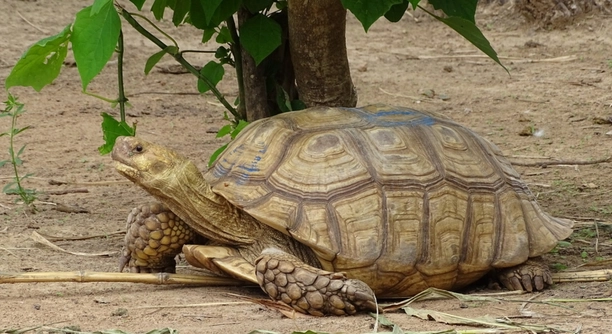
Is your sulcata tortoise acting differently, hiding more often, or refusing food? Recognizing the signs of stress can help ensure your pet stays happy and healthy in its environment.
A stressed sulcata tortoise may exhibit reduced appetite, excessive hiding, pacing, shell discoloration, aggression, irregular bowel movements, or labored breathing. These behaviors often stem from improper habitat conditions, inadequate diet, or external disturbances, requiring prompt adjustments to improve the tortoise’s well-being.
Environmental factors play a crucial role in your tortoise’s health. Learning how to identify and address these stressors will help you create a more comfortable and secure space for your pet.
Reduced Appetite
A sulcata tortoise that stops eating or eats significantly less than usual may be experiencing stress. Changes in diet, improper temperatures, or an unfamiliar environment can lead to a loss of appetite. If your tortoise refuses food for an extended period, it is essential to assess its living conditions. Low temperatures can slow digestion, while an unbalanced diet may cause nutritional deficiencies. Dehydration can also contribute to a lack of interest in food. Ensuring your tortoise has access to fresh water, a proper heat source, and a variety of suitable foods can encourage it to eat normally again.
If your tortoise’s appetite remains low despite adjustments, consider checking for signs of illness. Respiratory infections, parasites, or impaction may be affecting its ability to eat. Seeking veterinary advice is the best option if the issue persists.
Providing a comfortable habitat with consistent temperature and humidity levels can help maintain a healthy appetite. Make sure to offer fresh greens, hay, and occasional treats like squash or cactus pads to keep your tortoise well-nourished.
Excessive Hiding
Sulcata tortoises naturally enjoy burrowing, but excessive hiding can indicate stress. If your tortoise spends most of its time in its hide, something in its environment may be causing discomfort.
A habitat that is too cold, too bright, or lacks proper shelter can lead to stress. Ensure the enclosure has a warm basking area and cooler shaded spots. The ideal basking temperature should be around 95–100°F, while the rest of the enclosure should stay between 75–85°F. Providing a proper hideout with natural materials like logs or hay can make your tortoise feel more secure. Additionally, loud noises and frequent disturbances can make your tortoise retreat more often. Placing the enclosure in a quiet area can reduce stress levels.
Observing your tortoise’s behavior can help determine if the hiding is excessive. If your tortoise only comes out for short periods or refuses to bask, it may be time to reassess the enclosure setup. Making small adjustments can encourage more activity and improve overall well-being.
Pacing
A sulcata tortoise that constantly moves back and forth in its enclosure may be experiencing stress. This behavior can indicate restlessness, discomfort, or an issue with the habitat. Identifying the cause and making necessary adjustments can help your tortoise feel more secure.
An enclosure that is too small can lead to pacing. Sulcata tortoises need plenty of space to roam, as they are naturally active grazers. If the enclosure is too confined, your tortoise may become frustrated. Increasing the enclosure size or allowing more supervised outdoor time can reduce stress. Another common cause is an unsuitable substrate. Hard or uncomfortable flooring can make movement difficult. Using natural materials like soil, sand, or hay can provide a more comfortable surface. Ensuring the habitat has proper enrichment, such as rocks and logs, can also help keep your tortoise engaged.
External disturbances like frequent handling, loud noises, or changes in the environment can contribute to pacing. If your tortoise’s habitat is near a busy area, consider relocating it to a quieter space. A predictable routine can also help minimize stress. Try to feed, clean, and interact with your tortoise at consistent times each day. Creating a calm, stable environment will encourage more relaxed behavior.
Shell Discoloration
A stressed sulcata tortoise may develop unusual shell discoloration. If the shell appears dull, faded, or has patches of white or dark spots, it may indicate stress or underlying health issues. Identifying the cause and making necessary changes can help restore the shell’s natural appearance.
Inconsistent humidity levels can lead to shell problems. If the environment is too dry, the shell may become flaky or brittle. On the other hand, excessive moisture can encourage fungal growth, leading to discoloration. Maintaining humidity levels between 40–60% can help prevent these issues. A well-balanced diet also plays a role in shell health. A lack of calcium or vitamin D3 can weaken the shell, causing it to appear unhealthy. Providing a diet rich in calcium, along with proper UVB lighting, can support shell strength.
Physical damage from rough surfaces, improper handling, or fights with other tortoises can also cause discoloration. If you notice cracks, soft spots, or unusual textures, inspect the enclosure for sharp objects and ensure your tortoise is not being housed with aggressive companions. Regular shell checks can help catch problems early and prevent further damage.
Aggression
A stressed sulcata tortoise may show aggression by headbutting, biting, or ramming objects in its enclosure. This behavior is often triggered by territorial disputes, overcrowding, or sudden environmental changes. Identifying the cause and making adjustments can help reduce aggressive tendencies.
If multiple tortoises are housed together, competition for space, food, or basking spots can lead to aggression. Separating them or ensuring the enclosure is large enough can prevent conflicts. Loud noises, excessive handling, or unfamiliar surroundings can also contribute to stress-related aggression. Keeping a predictable routine and minimizing disturbances can promote a calmer demeanor.
Irregular Bowel Movements
Stress can cause diarrhea or constipation in sulcata tortoises. Sudden changes in diet, dehydration, or inadequate temperatures can disrupt digestion. Ensuring proper hydration and maintaining a consistent feeding schedule can help regulate bowel movements.
Low temperatures can slow digestion, leading to constipation, while too much fruit or watery vegetables can cause loose stools. A balanced diet of hay, grasses, and leafy greens, along with a warm basking area, helps maintain a healthy digestive system.
Labored Breathing
A stressed tortoise may breathe heavily, wheeze, or extend its neck frequently. Poor air quality, incorrect humidity levels, or respiratory infections can cause breathing difficulties. Checking the enclosure conditions and adjusting humidity or ventilation can help.
FAQ
What are the main causes of stress in a sulcata tortoise?
Stress in a sulcata tortoise is often caused by environmental factors such as incorrect temperature, humidity, or lighting. Overcrowding, insufficient space, and lack of enrichment can also lead to stress. Changes in diet, poor water quality, or too much handling may contribute to stress as well. Understanding your tortoise’s natural habitat and replicating it as closely as possible is key to reducing stress.
How can I tell if my tortoise is stressed?
Signs of stress include reduced appetite, excessive hiding, pacing, shell discoloration, aggression, and labored breathing. Changes in behavior, such as becoming more lethargic or refusing food, are also indicators. Monitor your tortoise closely for these behaviors to identify stress early.
Can I help my tortoise by changing its diet?
Yes, providing a balanced and varied diet can help reduce stress. Sulcata tortoises primarily eat grasses, weeds, and leafy greens. Make sure to avoid sugary fruits or high-protein foods, as these can disrupt their digestive system and contribute to stress. Ensuring the right nutrients, such as calcium, is essential for their overall health.
How can I improve my tortoise’s enclosure to reduce stress?
Create a spacious habitat with both warm and cool areas. The basking area should be around 95-100°F, and the cooler areas should stay between 75-85°F. Use a natural substrate like hay, soil, or sand for comfort. Add hides and climbing structures for mental stimulation, and make sure there is a quiet area away from loud noises or disturbances.
What should I do if my tortoise isn’t eating?
If your sulcata tortoise refuses food, check the temperature, humidity, and lighting in the enclosure. A temperature too low or too high can cause discomfort and decrease appetite. Offering fresh food daily and ensuring access to clean, fresh water is essential. If the issue persists, consider consulting a vet.
Is it normal for my tortoise to hide a lot?
Yes, it’s normal for sulcata tortoises to hide, especially when they feel stressed or need to sleep. However, if hiding becomes excessive, it may indicate that something is wrong with the habitat or health. Monitor the environment and try to identify any changes that might have caused this behavior.
Can I handle my sulcata tortoise while it’s stressed?
Handling a stressed tortoise can make the situation worse. It’s best to limit handling until your tortoise is feeling more comfortable. Give it space and time to adjust to its environment, and allow it to come to you when it feels safe.
What is the ideal humidity level for a sulcata tortoise?
Sulcata tortoises prefer a humidity level between 40% and 60%. Too high humidity can cause fungal growth, while too low humidity can lead to dehydration and shell problems. Regularly monitor and adjust the humidity to maintain the ideal range for your tortoise’s well-being.
How can I tell if my tortoise is too hot or too cold?
If your tortoise is too hot, it may display signs of lethargy or try to escape the basking area. If it’s too cold, it may become sluggish, eat less, or stop moving altogether. Make sure the enclosure has a proper temperature gradient so your tortoise can regulate its body temperature.
What should I do if my tortoise develops shell problems?
If you notice shell discoloration, softness, or cracks, check the humidity levels, diet, and overall environment. A diet rich in calcium and proper UVB lighting is essential for shell health. If shell issues persist, consult a veterinarian to rule out infections or other health concerns.
Can stress lead to long-term health issues for my tortoise?
Yes, prolonged stress can weaken your tortoise’s immune system, leading to health problems like respiratory infections, digestive issues, and poor growth. Stress can also contribute to poor shell health and dehydration. It’s crucial to address the root cause of the stress to prevent long-term damage to your tortoise’s health.
How much space does a sulcata tortoise need?
Sulcata tortoises are large and need a spacious enclosure to roam. As adults, they can require up to 100 square feet or more for proper movement. Smaller enclosures can lead to stress, which is why it’s important to provide them with plenty of space to feel secure.
Can I keep multiple sulcata tortoises together?
It is possible to keep multiple sulcata tortoises together, but only if the enclosure is large enough to prevent territorial disputes. Always monitor their behavior closely. If signs of aggression arise, it may be necessary to separate them. Male tortoises, in particular, can be more territorial.
How often should I clean my tortoise’s enclosure?
Cleaning the enclosure regularly is important for your tortoise’s health. Spot clean the habitat daily, removing waste and uneaten food. A more thorough cleaning should be done every 1–2 weeks, washing all surfaces, replacing the substrate, and ensuring the enclosure is free of bacteria or mold.
Can I let my tortoise roam outside?
Yes, sulcata tortoises enjoy outdoor time, but only in a safe, secure, and controlled environment. They should be supervised to prevent escape, injury, or exposure to dangerous predators. Ensure the outdoor space is free from harmful chemicals, plants, or hazards. Provide shade, water, and areas for them to graze.
How can I reduce the stress caused by handling?
Limit handling your sulcata tortoise, especially when it’s showing signs of stress. When you do handle it, do so gently and allow it to move at its own pace. Creating a calm, predictable environment will help reduce stress, and your tortoise will gradually become more comfortable with interaction.
Recognizing stress in a sulcata tortoise is important for their well-being. These tortoises are generally resilient but are sensitive to changes in their environment. By paying attention to signs of stress, such as reduced appetite, aggression, and pacing, you can identify issues early and make necessary adjustments. Creating a proper habitat with the right temperature, humidity, and space is key to helping them thrive. Consistent monitoring of their behavior and environment ensures they remain healthy and happy.
Diet and hydration also play a significant role in a sulcata tortoise’s health. Providing the right food, such as grasses, hay, and leafy greens, helps maintain a balanced diet. Avoiding sugary fruits or high-protein foods is important to prevent digestive issues. Access to fresh water should always be available, as dehydration can cause stress and health problems. Regular checks on their food and water intake will support their well-being and reduce the chance of stress-related behaviors.
Stress can affect a tortoise in various ways, but with proper care and attention, you can address the root causes and improve their living conditions. Whether it’s adjusting the temperature, adding more space, or reducing environmental disturbances, taking the time to create a stable environment is essential. Keeping your sulcata tortoise comfortable and stress-free is a priority for its long-term health. By providing the right conditions, you can ensure your tortoise lives a happy and healthy life.

Hello,
If you enjoy the content that we create, please consider saying a "Thank You!" by leaving a tip.
Every little bit helps us continue crafting quality advice that supports the health, happiness, and well-being of pets around the world, for pets of all shapes, sizes, and species.
We really appreciate the kindness and support that you show us!