
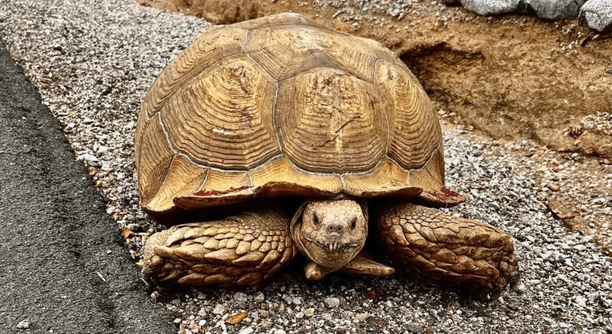
Is your sulcata tortoise sleeping more than usual, leaving you wondering if something might be wrong? These slow-moving reptiles have specific sleep patterns, and any noticeable change can sometimes indicate an underlying issue that needs attention.
Sulcata tortoises may sleep excessively due to cooler temperatures, dehydration, illness, or improper lighting. Ensuring the right habitat conditions, including warmth, hydration, and UVB exposure, can help regulate their sleep cycle and prevent potential health concerns.
Understanding why your sulcata tortoise is sleeping so much can help you determine if adjustments are needed to improve its well-being. Keeping an eye on its behavior is key to ensuring a healthy and active life.
Common Reasons for Excessive Sleeping
Sulcata tortoises need warmth and light to stay active. If their enclosure is too cold or lacks proper UVB lighting, they may sleep more than usual. Low temperatures slow their metabolism, making them less energetic. Dehydration can also cause sluggishness, as sulcatas need regular access to clean water. Health issues, such as respiratory infections or parasites, can also lead to increased sleep. If your tortoise is not eating well or seems weak, it may need medical attention. Stress from a new environment or changes in routine can also affect sleep patterns.
If your sulcata has been sleeping more, check the enclosure temperature and lighting. Make sure it has enough water and a proper diet. Observe for signs of illness, such as nasal discharge or unusual behavior. Small adjustments can help restore normal activity levels.
Creating the right environment for your sulcata is essential. Keep the basking spot around 95°F and the cooler area no lower than 75°F. A UVB light should be on for 10–12 hours daily to support their health. Provide fresh greens and calcium supplements for balanced nutrition. If excessive sleeping continues despite proper care, a vet visit may be necessary to rule out health problems.
When to Be Concerned
If your sulcata tortoise refuses food, struggles to move, or has swollen eyes, it may be sick. Long periods of inactivity combined with weight loss or labored breathing should not be ignored.
Infections, parasites, and nutritional deficiencies can affect their energy levels. A respiratory infection may cause wheezing or mucus around the nose. Parasites can lead to digestive issues and weakness. A lack of calcium or vitamin D3 may cause metabolic bone disease, making movement difficult. If you notice any of these signs, seek veterinary care.
A healthy sulcata should be active during the day and rest at night. If your tortoise is sleeping too much despite proper temperatures, lighting, and diet, an examination can help find the cause. Regular check-ups and monitoring behavior will ensure your tortoise stays healthy and energetic.
How to Help Your Sulcata Stay Active
Ensure your sulcata tortoise has a warm and well-lit enclosure. A basking spot of 95–100°F and proper UVB lighting will help maintain energy levels. Without these, they may become sluggish and sleep more than usual. Consistent heat and light encourage movement and a healthy appetite.
Provide a spacious and stimulating environment. A large enclosure with dirt, rocks, and hiding spots encourages natural behaviors like digging and exploring. Letting your tortoise roam in a safe outdoor area on warm days can also boost activity. Fresh air and natural sunlight provide essential UVB exposure, promoting overall health. Regularly check for signs of stress, such as excessive hiding or lack of appetite. If stress is affecting their activity levels, making small changes to their environment can help them feel more comfortable and engaged.
A proper diet supports an active lifestyle. Offer a variety of high-fiber greens like hay, dandelion greens, and collard greens. Avoid excessive fruit or protein, as they can cause health issues. Fresh water should always be available to prevent dehydration. Calcium supplements with vitamin D3 strengthen bones and help with energy levels. Regularly monitoring their diet and hydration ensures they get the nutrients they need to stay active.
Environmental Factors That Affect Sleep
Temperature plays a major role in your tortoise’s sleep cycle. If the enclosure is too cold, your sulcata may become sluggish and sleep longer than usual. Daytime temperatures should stay between 85–95°F, with a basking area of 100°F. At night, temperatures should not drop below 75°F to keep them comfortable.
Lighting is just as important. Sulcatas need 10–12 hours of UVB exposure daily to regulate their sleep cycle and stay active. Without proper lighting, they may become lethargic and develop health problems. If using artificial UVB lights, replace them every six months to maintain effectiveness. Natural sunlight is the best source, so allowing outdoor time whenever possible is beneficial. A lack of consistent lighting can lead to disrupted sleep patterns, causing your tortoise to rest more than necessary.
The enclosure setup also affects their activity. A small or overcrowded space can make them feel confined and unmotivated to move. A large, open area with natural elements like rocks, logs, and hiding spots encourages exploration and exercise. Having a clean and dry substrate, such as cypress mulch or orchard grass hay, ensures a comfortable resting area. Keeping their habitat well-maintained will help them stay active and maintain a healthy sleep schedule.
Seasonal Changes and Their Impact
Sulcata tortoises may sleep more during colder months. Even with proper heating, they can become less active when temperatures drop. Their metabolism naturally slows, leading to longer rest periods. Keeping their habitat warm and well-lit helps prevent excessive sleep during seasonal shifts.
Shorter daylight hours can also affect their energy levels. If they receive less UVB exposure, they may become sluggish and sleep more than usual. Using high-quality UVB bulbs and maintaining a consistent light schedule ensures they get the necessary exposure to stay active and healthy.
Signs Your Tortoise Is Sleeping Normally
A healthy sulcata follows a regular sleep schedule, resting at night and staying active during the day. Normal sleep patterns include periods of napping after eating or basking. They may also rest more after exploring or exercising. As long as they are eating well and moving regularly, their sleep habits are likely normal.
Final Thoughts
Monitoring your sulcata’s sleep patterns helps ensure they stay healthy. Providing warmth, proper lighting, and a nutritious diet supports an active lifestyle. If excessive sleep continues despite ideal conditions, consulting a vet can help identify any underlying issues.
FAQ
Why is my sulcata tortoise sleeping all day?
A sulcata tortoise that sleeps all day may be too cold, dehydrated, or lacking proper UVB exposure. Low temperatures slow their metabolism, making them less active. Ensure the basking area is 95–100°F and that they receive 10–12 hours of UVB light daily.
Can stress cause my sulcata tortoise to sleep more?
Yes, stress can lead to excessive sleep. Changes in their environment, loud noises, or frequent handling can make them feel unsafe. If your tortoise is hiding more than usual, try minimizing disruptions and providing a stable, quiet space to help them feel secure.
How long do sulcata tortoises normally sleep?
Sulcata tortoises typically sleep 8–12 hours at night. Their sleep cycle is influenced by temperature and lighting. A healthy tortoise will be active during the day, exploring, basking, and eating. If they are sleeping much longer than usual, it may indicate an issue with their environment or health.
Does my sulcata tortoise need complete darkness to sleep?
Yes, darkness helps regulate their sleep cycle. Bright lights at night can disturb their rest and cause stress. If using heat sources after dark, choose a ceramic heat emitter instead of light-producing bulbs to maintain warmth without disrupting their natural sleep pattern.
Could an improper diet make my tortoise sleep too much?
A poor diet can affect energy levels. Sulcatas need a high-fiber, low-protein diet consisting of grasses, hay, and leafy greens. Foods high in sugar, protein, or phosphorus can cause sluggishness. Providing proper nutrition ensures they stay active and healthy.
What should I do if my tortoise is not waking up to eat?
If your sulcata refuses food and continues sleeping, check the enclosure temperature, lighting, and hydration. A cold or dehydrated tortoise may become lethargic. Offer fresh water and a variety of greens. If they still won’t eat after adjustments, a vet visit may be necessary.
Is it normal for a baby sulcata tortoise to sleep a lot?
Yes, baby sulcatas sleep more than adults. Their bodies use a lot of energy for growth, so frequent rest is natural. However, they should still be active during the day. If a baby tortoise is constantly inactive or refusing food, ensure their habitat conditions are ideal.
Can illness cause my sulcata to sleep excessively?
Yes, respiratory infections, parasites, and metabolic bone disease can cause lethargy. Signs of illness include wheezing, nasal discharge, sunken eyes, or soft shell texture. If your tortoise has unusual symptoms along with excessive sleep, consult a reptile veterinarian for evaluation.
Will outdoor time help my sulcata stay active?
Yes, outdoor time provides natural sunlight, which is the best source of UVB. It encourages movement, grazing, and basking. Ensure they have a secure, predator-proof area with access to shade and fresh water. Regular outdoor exposure supports their health and energy levels.
How can I tell if my sulcata is sleeping too much?
Compare their current activity level to their usual behavior. If they are less responsive, hiding excessively, or not eating, something may be wrong. Checking habitat conditions and making small adjustments can help determine if their increased sleep is normal or a sign of an issue.
Final Thoughts
Sulcata tortoises have unique sleep patterns influenced by temperature, lighting, diet, and overall health. While it is normal for them to rest throughout the night and take short naps during the day, excessive sleep may signal an issue. Factors like low temperatures, dehydration, stress, or illness can contribute to increased inactivity. Monitoring their behavior and ensuring they have the right habitat conditions can help maintain their energy levels. Providing a warm basking area, consistent UVB lighting, and fresh water are essential steps in keeping them active and healthy. If their sleep habits suddenly change or they show other signs of distress, it is important to investigate the cause.
A well-balanced diet plays a major role in their overall health and activity. Sulcatas need a high-fiber, low-protein diet consisting of grasses, hay, and leafy greens. Improper nutrition can lead to sluggishness, digestive issues, and even long-term health problems. Regular outdoor time with access to natural sunlight can also improve their energy levels. Creating a spacious enclosure with areas for exploration, digging, and basking will encourage natural behaviors. If a tortoise appears unusually inactive despite proper care, small adjustments to their environment or diet may help restore their normal activity levels.
Observing a sulcata tortoise’s daily routine helps detect potential issues early. If excessive sleeping is accompanied by loss of appetite, difficulty breathing, or unusual behavior, a vet visit may be necessary. Regular check-ups ensure they remain in good health and prevent minor concerns from becoming serious problems. By maintaining proper habitat conditions, offering a nutritious diet, and paying attention to behavioral changes, sulcata owners can help their tortoises live long, healthy, and active lives.

Hello,
If you enjoy the content that we create, please consider saying a "Thank You!" by leaving a tip.
Every little bit helps us continue crafting quality advice that supports the health, happiness, and well-being of pets around the world, for pets of all shapes, sizes, and species.
We really appreciate the kindness and support that you show us!