
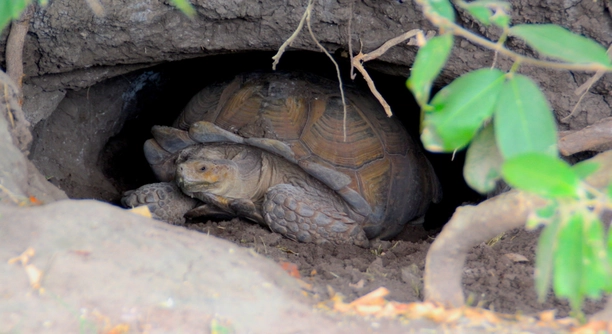
Your sulcata tortoise’s behavior can sometimes be puzzling, especially when it repeatedly bangs its shell. Understanding why this happens is key to ensuring your pet’s well-being. There are various reasons behind this behavior that you can address.
The most common reason for shell banging in sulcata tortoises is territorial or mating behavior. These tortoises may also bang their shells as a form of communication, asserting dominance or simply due to environmental stressors.
By understanding the causes behind this behavior, you can better manage it. Keep reading to find out how to improve your tortoise’s environment and reduce stress.
1. Shell Banging as a Sign of Territorial Behavior
Sulcata tortoises are highly territorial animals, and shell banging can be a way of defending their space. When they feel threatened or want to establish their dominance over a certain area, they may bang their shells against objects or even other tortoises. This behavior is natural and can be seen in both wild and captive tortoises. The sound of shell banging serves as a signal to other animals that they are entering someone’s territory.
A consistent pattern of shell banging is more likely when your tortoise is not provided with enough space. In smaller enclosures, they might feel confined and more likely to exhibit this behavior.
To prevent territorial behavior, ensure your sulcata tortoise has enough room to roam and establish its own space. This will not only reduce stress but also prevent unnecessary shell banging. A larger enclosure can provide them with a sense of security, which may help minimize their territorial instincts.
2. Mating Behavior and Shell Banging
Mating rituals can sometimes lead to shell banging. When a sulcata tortoise is in the mating season, males often engage in behaviors like shell banging to attract potential mates. This can include vocalizing and bumping shells as a way of showing their interest.
Males may also bang their shells against other objects to compete for dominance. This behavior is especially prevalent in areas where multiple tortoises are kept together. However, not all shell banging is related to mating; it can also occur when the tortoise is simply stressed or anxious in its environment.
Providing your tortoise with a separate area to retreat to, free from other tortoises during the breeding season, can help reduce this behavior. This separation can also help the tortoise focus on the environment rather than becoming fixated on other animals.
3. Environmental Stress Leading to Shell Banging
Stress can play a major role in the behavior of your sulcata tortoise. If it feels unsafe or overwhelmed by its surroundings, it may bang its shell to release pent-up tension. Changes in temperature, noise, or overcrowded living conditions can contribute to this stress.
A proper, stable environment is crucial. Sudden temperature shifts, too much noise, or overcrowding can cause your tortoise to act out. Keeping the habitat calm and predictable can help. Consider placing the tortoise in a quieter area of your home or adding more hiding spots for security.
To further reduce stress, avoid moving the tortoise’s habitat too frequently. Consistency is key to making your pet feel comfortable. The more secure it feels, the less likely it will engage in repetitive shell banging due to anxiety.
4. Shell Banging from Boredom or Lack of Stimulation
Boredom can also lead to shell banging in sulcata tortoises. If they lack mental stimulation or space to explore, they may resort to this repetitive behavior as a form of entertainment. Providing enrichment activities and a more dynamic environment can make a huge difference.
Incorporating a variety of objects for your tortoise to interact with, such as rocks, logs, and safe plants, can engage its curiosity. Allowing your tortoise to explore new areas, like a larger outdoor enclosure, can keep it mentally active. These changes help provide a balance between physical exercise and mental stimulation, reducing the likelihood of shell banging.
Regularly changing the layout of your tortoise’s enclosure can also create a more interesting environment. This keeps the tortoise engaged, as it won’t feel like it’s living in the same stagnant space. This stimulation can help address both physical and emotional needs, encouraging healthier behavior.
5. Shell Banging as a Form of Communication
Sulcata tortoises may bang their shells as a form of communication, especially when they are in contact with other tortoises. This behavior serves as a way to express feelings like discomfort or aggression. It’s a natural way for them to interact with their environment.
Understanding this behavior can help you provide the right space for your tortoise. If you notice your pet banging its shell when it is near other animals, it could be trying to establish boundaries or warn others away. Keeping other animals at a distance may reduce this behavior.
Be mindful of how often your sulcata tortoise interacts with others. Overcrowding or having too many animals in the same space can create tension. This could lead to increased shell banging as a way for your tortoise to express discomfort.
6. Diet and Shell Banging
The wrong diet can also contribute to shell banging. If your tortoise isn’t getting the proper nutrients, it may become stressed or agitated, leading to behaviors like shell banging. A lack of calcium, in particular, can affect their health and cause discomfort.
Ensuring your sulcata tortoise has a balanced diet rich in calcium, fiber, and other essential nutrients can help prevent this issue. It’s also important to provide a varied diet to keep your tortoise satisfied and healthy. Include fresh vegetables, hay, and occasional fruits to meet their nutritional needs.
Poor nutrition can affect your tortoise’s overall behavior, and a properly balanced diet helps reduce stress, which can lower the likelihood of shell banging.
7. Shell Banging Due to Physical Discomfort
If your tortoise is experiencing physical discomfort, such as an injury or shell irritation, it may bang its shell as a reaction. This could happen if they feel pain or if their shell is dirty or damaged. Keeping an eye on their physical health is essential.
If you notice your tortoise is engaging in more shell banging than usual, it’s worth checking for any injuries or irritations on its shell. Regularly inspecting your pet’s shell for cracks, scratches, or other damage can help identify any problems early. This will allow you to address any discomfort it may be feeling.
FAQ
Why does my sulcata tortoise keep banging its shell?
Shell banging is often a sign of territorial behavior, mating rituals, or stress. If your tortoise is in a smaller enclosure, it might feel confined, leading to this behavior. Additionally, mating season or interaction with other tortoises can trigger shell banging as part of its natural communication process. If there’s a lack of stimulation or space, boredom could also cause this behavior.
How can I stop my tortoise from banging its shell?
The best way to stop shell banging is to create a more comfortable environment. Ensure your sulcata tortoise has enough space to move around, ideally a large outdoor enclosure. Reducing stressors, like noise and overcrowding, can also help. Providing enrichment, like rocks or safe plants, will keep your tortoise engaged and prevent boredom-driven shell banging.
Could shell banging indicate a health issue?
Yes, shell banging can sometimes be a sign of physical discomfort. If your tortoise is in pain, especially from an injury or shell irritation, it may bang its shell as a reaction. Always inspect your pet’s shell regularly for signs of damage or infection, and consult a veterinarian if necessary.
Is it normal for my sulcata tortoise to bang its shell during mating season?
Yes, it’s entirely normal for male tortoises to bang their shells during mating season. They may do this to show dominance or to attract females. However, this behavior should subside once the mating season ends. If it continues after the season, it could be due to other factors like stress or territorial behavior.
Can I reduce shell banging by changing my tortoise’s diet?
A proper diet can help reduce stress, which in turn can minimize shell banging. Ensure your sulcata tortoise is getting a well-balanced diet with plenty of calcium and fiber. A healthy tortoise is less likely to bang its shell out of discomfort or frustration. If your tortoise’s diet is lacking, it may cause health issues that lead to more stress.
Does overcrowding contribute to shell banging?
Yes, overcrowding can contribute to shell banging, as your tortoise may feel threatened or stressed by the presence of other animals. To reduce this behavior, provide each tortoise with enough space to establish its own territory. If you keep multiple tortoises together, make sure they have separate areas to retreat to if they need some alone time.
What should I do if my tortoise is banging its shell on the walls of its enclosure?
If your tortoise is banging its shell against the walls of its enclosure, it could be due to frustration or a lack of space. You can address this by increasing the size of the enclosure and adding enrichment items, like logs, rocks, or safe plants. Also, ensure that the enclosure has proper temperature and humidity levels to prevent stress.
Can I stop shell banging by giving my tortoise more hiding places?
Yes, adding hiding places to your tortoise’s enclosure can help reduce stress and shell banging. Tortoises feel safer when they have somewhere to retreat, especially if they feel threatened or vulnerable. Hiding places also provide mental stimulation and can encourage natural behaviors, which can minimize boredom-induced shell banging.
How can I tell if shell banging is a sign of aggression?
Aggression can sometimes be the cause of shell banging. If your tortoise is banging its shell at other tortoises or objects in its enclosure, it could be a sign of dominance or territorial disputes. You can observe if the behavior occurs in specific situations, like when another tortoise is nearby or when the enclosure is too crowded. Separating tortoises that show aggressive behavior can help reduce shell banging.
Is there a way to stop my sulcata tortoise from banging its shell without changing its environment?
While changing the environment is the most effective solution, you can try offering your tortoise more mental stimulation. Provide objects it can interact with, like logs, plants, or other items to explore. This can help reduce boredom and prevent shell banging. However, if the behavior persists, addressing the environmental factors is usually the most successful approach.
Can shell banging be a sign that my tortoise is unhappy?
Shell banging can indicate that your tortoise is unhappy or stressed. A lack of stimulation, improper diet, or too small of an enclosure can cause discomfort. By improving your tortoise’s habitat, you can address the root cause of the behavior and create a happier, healthier environment for your pet.
Should I be concerned if my tortoise bangs its shell a few times a day?
Occasional shell banging isn’t usually a cause for concern, especially if it’s linked to normal behaviors like communication, mating, or territoriality. However, if it becomes excessive or is accompanied by signs of injury or distress, it’s worth investigating further. Ensure your tortoise’s environment is comfortable, and check for any health issues.
How can I tell if my tortoise is shell banging due to mating behavior or something else?
If your tortoise is shell banging during mating season, it’s likely a sign of mating behavior. Male tortoises may bang their shells to attract females or assert dominance over other males. However, if the behavior continues outside of mating season or appears excessive, stress, boredom, or injury could be contributing factors.
Can I use calming methods to stop shell banging?
While calming methods like reducing noise and providing a quiet, comfortable space can help, the root cause of shell banging often lies in environmental factors like space, social dynamics, or diet. Focus on improving these areas first. If the behavior persists, consulting a veterinarian for further guidance may be necessary.
Final Thoughts
Understanding the reasons behind your sulcata tortoise’s shell banging is essential to ensuring its well-being. While this behavior can often seem alarming, it’s important to remember that it’s a natural part of their communication and routine. Factors such as territoriality, mating behavior, stress, or even boredom can cause your tortoise to bang its shell. Identifying these triggers and adjusting its environment can help reduce the frequency of this behavior.
Creating an ideal living space for your tortoise plays a significant role in minimizing shell banging. A large, comfortable enclosure with plenty of hiding spots and enriching objects, such as rocks and plants, will help provide both physical and mental stimulation. Ensuring your tortoise has ample space will also reduce stress, a common cause of shell banging. If multiple tortoises are kept together, be mindful of potential territorial disputes, which can lead to aggressive behavior and shell banging. Ensuring each tortoise has its own space can prevent conflicts and improve overall behavior.
If you’ve addressed the environmental factors and the shell banging continues, it may be worth consulting a veterinarian to rule out any health issues. Pain or injury may cause discomfort, leading to shell banging as a reaction. Keep an eye on your tortoise’s overall health and check for any signs of injury or infection. By understanding the cause of the behavior and making appropriate adjustments, you can help your sulcata tortoise live a happier, healthier life, free from unnecessary stress.

Hello,
If you enjoy the content that we create, please consider saying a "Thank You!" by leaving a tip.
Every little bit helps us continue crafting quality advice that supports the health, happiness, and well-being of pets around the world, for pets of all shapes, sizes, and species.
We really appreciate the kindness and support that you show us!