
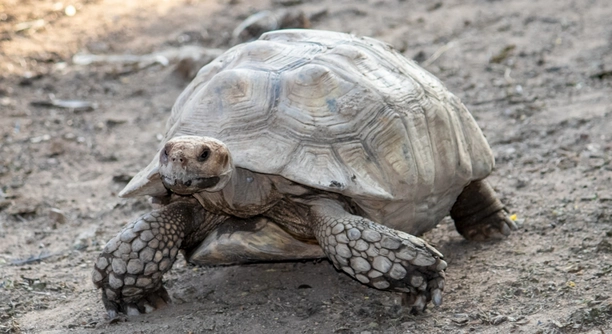
Many tortoise owners notice that their sulcata tortoise’s shell may become rough over time. Understanding why this happens can help improve the overall health and care of your pet.
The roughness of a sulcata tortoise’s shell is typically caused by natural growth, lack of proper diet, or insufficient humidity. Shell issues may also arise from underlying health problems, such as dehydration or poor living conditions.
Taking care of your sulcata tortoise’s shell requires attention to diet, environment, and hydration. Knowing what affects their shell can make a significant difference in their well-being.
The Natural Growth of a Sulcata Tortoise’s Shell
A sulcata tortoise’s shell naturally grows in layers, and with each year, it becomes thicker and rougher. This process is completely normal and essential for their protection. The new growth can appear bumpy or textured as it adds to the existing shell. Over time, you may notice more prominent scutes (the raised sections of the shell), which is simply part of the tortoise’s development. As long as your tortoise is healthy, this roughness will not be a cause for concern. However, it’s crucial to keep an eye on how much the shell changes.
Roughness on the shell from natural growth is nothing to worry about. It’s part of their aging process and can vary depending on your tortoise’s size and age.
If your sulcata tortoise is well-fed and cared for, the shell’s rough texture should not indicate any health problems. Shell growth can also be influenced by their environment, diet, and how active they are.
Diet and Nutrition Impact
A poor diet can negatively affect the condition of your tortoise’s shell. It’s important to feed your sulcata tortoise a balanced diet, rich in fiber and low in protein. Overfeeding them with high-protein foods may cause unhealthy shell growth, leading to cracks or rough patches. The best diet consists of hay, grasses, and leafy greens. Providing the right nutrition helps prevent a variety of health issues, including problems with their shell. A proper diet ensures their shell grows in a way that supports their long-term health.
Nutritional imbalances can make the shell rougher than it should be. Proper fiber intake is key for smooth, healthy growth.
Hydration also plays a key role in maintaining the condition of their shell. A dehydrated tortoise may have a shell that becomes drier and rougher over time. To keep your sulcata tortoise hydrated, ensure it has access to fresh water at all times. You can also provide regular misting or soaking in water to help maintain proper hydration levels, especially in drier climates. Regular soaking helps soften the shell, reducing any buildup of rough patches. With the right balance of diet and hydration, your tortoise’s shell should remain in good condition, and any roughness should be kept to a minimum.
Environmental Conditions Matter
The environment in which your sulcata tortoise lives can contribute to roughness on its shell. Humidity plays a significant role in maintaining a healthy shell. If the habitat is too dry, the shell can become brittle and cracked, leading to an uneven surface. On the other hand, if your tortoise’s environment is too moist, it could result in fungal or bacterial infections. Keeping the humidity at an ideal level can prevent these issues from arising. Aim for a balanced climate with appropriate humidity and temperature levels, depending on your geographical location.
The temperature of their environment also affects their shell. Cold temperatures can cause their shell to become stiffer, while warmer temperatures support natural shell growth. Ensuring the right temperature can prevent damage or unnecessary roughness.
Additionally, regular exposure to natural sunlight or a UVB light source is crucial for your tortoise’s overall health, as it aids in the absorption of calcium. Calcium is vital for maintaining the strength and smoothness of their shell. A well-maintained enclosure with the correct lighting, humidity, and temperature will help prevent unnecessary shell problems. Regular monitoring of your sulcata’s habitat is essential to ensure its health remains in top condition.
Shell Rot and Other Health Issues
If your sulcata tortoise’s shell becomes excessively rough or shows signs of peeling or discoloration, it could indicate shell rot. This is usually caused by bacterial or fungal infections, often resulting from a too-moist environment or poor living conditions. It’s important to regularly inspect your tortoise’s shell for any unusual changes that could signal a health problem.
Shell rot typically appears as soft spots or a foul smell coming from the shell. In severe cases, the tissue can break down, leading to infection. Properly cleaning and drying the shell can prevent further damage. If you notice any signs of rot, seek veterinary help immediately to prevent further complications.
To avoid shell rot, ensure that your tortoise’s habitat is kept clean and dry, with adequate ventilation. Overly humid environments can promote the growth of harmful bacteria. Keeping the enclosure clean and dry, while ensuring appropriate humidity, helps to avoid shell rot and keeps your tortoise’s shell healthy and strong. Regular cleaning also prevents other diseases that may affect their shell.
Improper UVB Lighting and Its Effects
UVB lighting is vital for your sulcata tortoise’s shell health. Without adequate exposure to UVB rays, they may develop soft, weak shells due to a calcium deficiency. It’s essential to provide UVB light, especially if your tortoise doesn’t have access to natural sunlight.
UVB light helps your tortoise produce Vitamin D3, which is necessary for calcium absorption. Without it, your tortoise could suffer from metabolic bone disease, which weakens the shell and bones. A proper UVB bulb, specifically designed for reptiles, should be used in the enclosure. This will ensure that your sulcata tortoise has all the necessary nutrients to support healthy shell growth.
The UVB light should be placed in the enclosure at a correct distance to mimic sunlight exposure. Replace UVB bulbs regularly, as their effectiveness diminishes over time, even if the light still works. Your sulcata needs this lighting to stay healthy, as it impacts much more than just the shell.
Dehydration and Its Impact
Dehydration can cause a sulcata tortoise’s shell to become rough, dry, or cracked. When a tortoise does not drink enough water, its body can’t maintain healthy shell growth. Ensuring that your tortoise stays hydrated is essential for a smooth and strong shell.
Make sure your tortoise has access to fresh water at all times. You can also soak them in lukewarm water for 20 to 30 minutes, a few times a week, to help maintain hydration. Hydration is critical for their overall health and shell condition, so keep an eye on their water intake.
Proper Temperature Regulation
Maintaining the right temperature is key to your sulcata tortoise’s health. A habitat that’s too cold can slow down their metabolism and cause shell problems. Ideally, the enclosure should have a warm basking area and a cooler area to allow your tortoise to regulate its body temperature.
A warm basking area should range between 90-95°F, while the cooler area can be around 75-80°F. If the temperature is too low, it can impair digestion and hinder the natural growth of the shell. Ensure your tortoise can move between different temperatures to stay comfortable and healthy.
FAQ
Why is my sulcata tortoise’s shell turning soft?
A soft shell is often a sign of calcium deficiency, which can be caused by inadequate UVB light or poor diet. Sulcata tortoises need sufficient UVB exposure to produce Vitamin D3, which is essential for calcium absorption. Without it, their shells can become soft and weak. Ensure that your tortoise has access to UVB light and a proper calcium supplement, such as a cuttlebone or calcium powder sprinkled on their food.
How can I tell if my tortoise has shell rot?
Shell rot is usually indicated by soft spots on the shell, discoloration, or a foul odor. If you notice these signs, it’s important to consult a veterinarian right away. Shell rot is often caused by excessive moisture or poor environmental conditions, which lead to bacterial or fungal infections. Keeping the enclosure dry and clean is crucial to prevent shell rot.
Can a rough shell be normal for a sulcata tortoise?
Yes, a rough shell can be completely normal, especially as they age. The sulcata tortoise’s shell grows in layers, which can appear bumpy or rough. However, if the roughness is accompanied by other symptoms like cracks or discoloration, it could be a sign of a health issue, and a vet should evaluate it.
How often should I soak my sulcata tortoise?
Soaking your sulcata tortoise once or twice a week is ideal, especially if you notice signs of dehydration. Soaking helps them stay hydrated and supports healthy digestion. Fill a shallow container with lukewarm water, making sure your tortoise can fully submerge itself. Limit soak times to about 20-30 minutes.
What’s the best way to care for my tortoise’s shell?
Proper hydration, a well-balanced diet, and regular UVB exposure are essential to keeping your sulcata tortoise’s shell healthy. Make sure your tortoise has access to fresh water and a variety of greens and grasses. Regularly check for any signs of shell issues and adjust its habitat accordingly.
Can I remove the rough patches on my tortoise’s shell?
It’s generally not recommended to remove rough patches on your tortoise’s shell manually. These patches are part of the natural growth process. If the roughness is severe or caused by a health problem like shell rot, a vet will provide the necessary treatment. Never try to scrape or trim the shell yourself.
Why does my tortoise’s shell have white spots?
White spots can be a sign of calcium deposits or an infection. If the spots don’t change in size or shape, they are likely harmless calcium deposits. However, if the white spots are accompanied by softness or foul odors, it could be a symptom of shell rot or another health issue that requires veterinary care.
How can I improve my tortoise’s living environment for a better shell?
A proper living environment with the right temperature and humidity is crucial. The basking area should be between 90-95°F, and the cool side should be around 75-80°F. Make sure your sulcata has a clean, dry area to roam and plenty of space to move around. The humidity should be balanced—too much moisture can lead to shell rot, while too little can cause dehydration and shell issues.
What should I do if my tortoise’s shell cracks?
If your tortoise’s shell cracks, it’s important to take immediate action. Cracks can lead to infections, so keep the area clean and dry. You may need to take your tortoise to a veterinarian for a proper diagnosis and treatment. In some cases, they may recommend a specialized shell repair treatment to help the healing process.
How do I prevent my tortoise’s shell from becoming too rough?
Proper hydration, a balanced diet, and the right living conditions are key to preventing excessive roughness on your tortoise’s shell. Avoid high-protein diets, as this can cause uneven growth. Also, make sure that your sulcata tortoise has the right temperature, UVB exposure, and access to fresh water to ensure healthy shell growth.
Why is my tortoise’s shell turning yellow?
Yellowing on the shell can be a sign of dehydration or a calcium deficiency. If the yellowing persists, it’s important to adjust your tortoise’s hydration levels and calcium intake. Ensure your sulcata tortoise gets enough UVB light and calcium supplements to prevent further shell problems.
How often should I change my tortoise’s bedding?
Changing the bedding every 1-2 weeks is recommended, depending on how quickly it gets soiled. Regular cleaning helps prevent bacterial and fungal growth, which can lead to shell rot or other health issues. Always use reptile-safe bedding materials, such as hay, sand, or coconut coir, that won’t harm your tortoise.
Can my tortoise’s shell get too dry?
Yes, a dry shell can result from dehydration or living in an environment with low humidity. A dry shell may crack or become rough over time. Keep your tortoise hydrated by providing fresh water and occasional soaks. Additionally, consider misting the enclosure to maintain an appropriate humidity level, especially in drier climates.
How does stress affect my tortoise’s shell?
Stress can impact a sulcata tortoise’s overall health, including its shell. Prolonged stress can cause issues like weakened shells, loss of appetite, or behavioral changes. Reducing stress involves providing a stable environment, consistent routine, and handling your tortoise gently. Avoid sudden changes in temperature, light, or diet to help your tortoise feel safe.
Is it safe for my tortoise to roam outdoors?
Allowing your tortoise to roam outdoors is beneficial as long as the environment is safe. Ensure that the area is secure, free of predators, and has appropriate temperatures and UVB exposure. Outdoor time can help improve their health and support natural shell growth. Always supervise your tortoise while it’s outside.
Final Thoughts
Taking care of a sulcata tortoise involves attention to many aspects, including their shell. A rough shell is often natural, especially as they age, but it can also be a sign of issues like dehydration, improper diet, or environmental problems. Regularly checking your tortoise’s shell and overall health can help you catch any issues early, ensuring your pet stays happy and healthy. Providing the right environment, proper diet, and consistent hydration are essential for a smooth and strong shell. If you notice anything unusual, it’s always best to consult with a veterinarian to rule out health problems.
The growth of a sulcata tortoise’s shell is a natural process, but it’s important to watch for signs of dehydration, shell rot, or other health issues that can make the shell rough. A balanced diet that includes fiber-rich greens, low-protein foods, and enough calcium is crucial for proper shell development. The addition of UVB light or natural sunlight helps with calcium absorption, supporting healthy shell growth. Proper hydration and regular soaking can also prevent dryness and cracks. Environmental factors, such as temperature and humidity, should be controlled to provide a comfortable space for your tortoise to thrive. Keeping all these factors in mind will help ensure that your sulcata tortoise grows up strong and healthy.
Ultimately, caring for your sulcata tortoise’s shell is about creating the best possible living conditions for them. By ensuring a well-balanced diet, the right amount of UVB light, and consistent hydration, you can help prevent most shell issues. Regular monitoring of their habitat and behavior will allow you to spot potential problems early, before they become serious. A healthy, well-maintained shell is a reflection of the overall health of your tortoise, so taking these simple steps will improve your pet’s life and ensure that it continues to grow and develop properly. If you ever feel uncertain, don’t hesitate to reach out to a vet for guidance.

Hello,
If you enjoy the content that we create, please consider saying a "Thank You!" by leaving a tip.
Every little bit helps us continue crafting quality advice that supports the health, happiness, and well-being of pets around the world, for pets of all shapes, sizes, and species.
We really appreciate the kindness and support that you show us!