
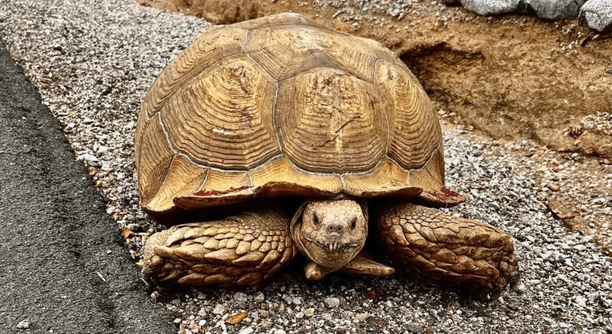
Sulcata tortoises are popular pets, but they can be tricky to keep in their enclosures. They are known for their curious and determined nature, often finding ways to escape. Understanding how to prevent this is important for their safety and well-being.
The best way to prevent your sulcata tortoise from escaping is by creating a secure enclosure with high, reinforced walls. Tortoises can push through weak barriers, so it’s essential to ensure the enclosure is both strong and tall enough.
Building a secure home for your tortoise is not only about keeping them safe, but it also provides them with the space and environment they need to thrive.
Choosing the Right Enclosure for Your Sulcata Tortoise
When setting up an enclosure for your sulcata tortoise, size matters. These tortoises are large and need plenty of space to roam. A small or cramped enclosure will lead to frustration and possibly attempts to escape. It’s recommended to create a space at least 10 feet by 10 feet for a single tortoise. You can expand this as your tortoise grows. Outdoor enclosures are ideal, as long as they are sturdy and secure. If you’re using a pen, make sure it’s protected from predators as well.
The enclosure should be fully enclosed with no gaps or holes. Sulcata tortoises are strong, and even small openings can become escape routes. High walls are also necessary as they can climb or dig their way out. Make sure the walls are at least 2 feet tall and buried a few inches underground to prevent digging.
In addition to size, the enclosure must provide a safe environment. The area should be shaded during the day to prevent overheating, as sulcata tortoises need both sun and shade. Having a warm shelter available for nighttime is also key to keeping them healthy. A well-designed enclosure keeps your tortoise safe and helps it thrive.
Securing the Enclosure
Securing the enclosure is one of the most important steps. It’s not just about building high walls but reinforcing them well.
Using strong materials like concrete, cinder blocks, or thick wood can keep your sulcata tortoise inside. Avoid using weak plastic or mesh, as these can be easily damaged.
Preventing Digging
Tortoises are natural diggers, and sulcatas are no exception. They will often try to dig under fences to escape. To prevent this, bury the bottom of the enclosure’s walls several inches underground. Use sturdy materials like bricks or concrete blocks for this purpose.
Digging is also driven by instinct, as tortoises dig to create burrows for shelter. The deeper the enclosure walls are buried, the harder it will be for them to escape. Regularly check for any signs of digging around the enclosure’s perimeter to stay ahead of any potential escape attempts.
Adding a solid floor made of concrete or paving stones can help. While it’s a bit more work to install, it provides a long-term solution to digging and ensures your tortoise has a secure environment. Make sure the floor is smooth and covers the entire area to prevent any digging.
Dealing with Climbing
Sulcata tortoises are capable of climbing, especially when they’re young and lighter. They can easily climb over walls that are too low or not angled correctly. Ensure your enclosure has high walls, at least 2 feet, but consider going higher if needed.
In addition to height, use sloped walls or an inward angle at the top to make climbing more difficult. Tortoises may try to climb on top of objects inside the enclosure, so avoid placing rocks or logs near the walls. The more you limit climbing opportunities, the better.
Observing your tortoise’s behavior can also give insight into its climbing tendencies. If your tortoise starts to climb, it may be time to reinforce the enclosure with higher walls or additional barriers. It’s better to adjust before they manage to escape.
Adding Proper Covering
To prevent your tortoise from escaping, ensure the enclosure is covered. A solid roof or top helps keep them inside, especially when they’re more active or when it rains. It also protects them from predators.
Make sure the covering is sturdy, as sulcatas can push against weak materials. Metal or strong wood are ideal. The top should also be high enough for the tortoise to move without obstruction. Be mindful of ventilation to prevent overheating while keeping your tortoise safe and secure.
Monitoring Temperature and Humidity
Temperature and humidity play a big role in your tortoise’s health and can also affect their behavior. A proper basking spot with a temperature between 85-90°F will keep them comfortable, but they may try to escape if they get too hot or cold.
Make sure your enclosure has enough shaded areas to regulate their body temperature. Keep an eye on humidity as well; sulcatas prefer a dry environment, but they need access to fresh water to stay hydrated. By keeping these factors balanced, your tortoise will be less likely to seek refuge outside its enclosure.
FAQ
What should I do if my sulcata tortoise is still escaping despite a secure enclosure?
If your tortoise is still escaping, check the integrity of the walls and the ground. Sometimes small gaps or weak spots in materials can go unnoticed. Double-check the corners and seams. It might be time to reinforce the enclosure with stronger materials. Also, make sure your tortoise isn’t climbing on objects inside, as this can give them an advantage in escaping.
How high should the walls be to prevent a sulcata tortoise from climbing out?
The walls should be at least 2 feet tall, but to be safe, a height of 3 feet or more is recommended. Some tortoises may try to climb higher if the enclosure provides opportunities. Adding an inward angle or a roof can prevent climbing. Avoid any objects inside that the tortoise could use to boost itself.
Can I use a mesh or wire fence to contain my sulcata tortoise?
Using mesh or wire is not recommended. Sulcatas are strong and determined, and they may be able to break through or push the fence. Instead, opt for more solid materials like concrete, wood, or cinder blocks. These materials are much stronger and safer for containing the tortoise.
How often should I check the enclosure for signs of escape attempts?
It’s a good idea to check your enclosure at least once a week. Look for signs of digging around the perimeter or any areas where the wall may be damaged. After heavy rain or storms, check if the ground has shifted or if any gaps have opened up. Regular checks will help keep your tortoise safe.
Do sulcata tortoises need a roof over their enclosure?
A roof or covering is not absolutely necessary but is highly recommended for additional security. A solid roof protects the tortoise from predators and keeps the enclosure more secure. It also helps prevent them from climbing or escaping over the top, especially when they are more active.
What materials should I avoid when building a sulcata tortoise enclosure?
Avoid using plastic, mesh, or wire fencing, as these are not strong enough to contain a sulcata tortoise. Also, don’t use untreated wood that may rot or degrade over time. Materials like plywood can break down quickly if exposed to the elements, leading to potential gaps or weaknesses. Stick to more durable materials such as concrete, cinder blocks, and treated wood.
How can I prevent my sulcata tortoise from escaping during the night?
To prevent escapes at night, make sure the enclosure is fully enclosed with no weak points. It’s also helpful to have a covered, secure shelter inside the enclosure where your tortoise can retreat. This gives them a safe space to rest while ensuring they can’t escape in the dark.
How do I handle a sulcata tortoise that constantly tries to escape?
If your tortoise is consistently trying to escape, check if its environment is comfortable and enriching enough. Sometimes, boredom or discomfort can lead to escape attempts. Provide more space, hide food, and create stimulating activities within the enclosure. A happy, content tortoise is less likely to try escaping.
Can sulcata tortoises escape through small gaps in the enclosure?
Yes, sulcata tortoises are capable of escaping through even small gaps. They are persistent and can push or wriggle through surprisingly small openings. Inspect the entire perimeter of the enclosure carefully, including the corners and any joints, to make sure there are no weak spots. Regularly fix any gaps you find.
Should I allow my sulcata tortoise to roam freely outside its enclosure?
Allowing your tortoise to roam freely outside its enclosure is not recommended unless you have a completely secure, supervised area. Sulcatas can wander off easily and are prone to getting lost or hurt. It’s safest to keep them within a designated and secured area to ensure they don’t escape or encounter hazards.
How do I know if my sulcata tortoise is stressed due to its enclosure?
Signs of stress in sulcata tortoises may include constant pacing, excessive digging, or attempts to climb the walls of the enclosure. Stress can be caused by inadequate space, improper temperature, or a lack of enrichment. Ensure that the enclosure is large enough and provides the right conditions for your tortoise’s needs. If you notice stress, make adjustments promptly.
Can I use plants or decorations inside the enclosure?
Yes, you can use plants and decorations inside the enclosure, but make sure they are non-toxic to your tortoise. Avoid anything that could potentially harm or cause injury. Adding rocks, logs, and natural vegetation provides your tortoise with enrichment and allows them to express natural behaviors. Just be cautious with the types of plants you use.
Final Thoughts
Preventing your sulcata tortoise from escaping its enclosure is crucial for both its safety and well-being. These tortoises are naturally curious and determined, which can make it easy for them to find ways out of their pen. A secure, well-designed enclosure can significantly reduce the risk of escape. It’s important to invest time and effort into creating a space that is both large enough for the tortoise to move freely and strong enough to withstand their attempts to break out. Remember, even small gaps or weak points can become opportunities for escape.
There are several factors to consider when building or modifying an enclosure. The walls should be tall and solid, ideally made of materials like concrete or cinder blocks that are difficult for the tortoise to push or climb over. Also, it’s essential to pay attention to the ground. Digging is a common behavior for sulcata tortoises, so ensuring that the walls are buried deep enough will prevent them from digging their way out. Adding a roof or top can further prevent escapes, especially if your tortoise is an experienced climber. This added security will not only keep your tortoise safe but also protect it from predators.
In addition to the physical enclosure, consider the environment you are providing inside. A comfortable space with appropriate temperature, humidity, and natural enrichment will keep your tortoise happy and healthy. Sulcatas are less likely to try escaping if they feel content in their surroundings. Regular checks on the enclosure will help identify any issues early on. Taking these steps will give your tortoise a safe, secure place to thrive, and it will save you from the stress of worrying about its safety.

Hello,
If you enjoy the content that we create, please consider saying a "Thank You!" by leaving a tip.
Every little bit helps us continue crafting quality advice that supports the health, happiness, and well-being of pets around the world, for pets of all shapes, sizes, and species.
We really appreciate the kindness and support that you show us!