
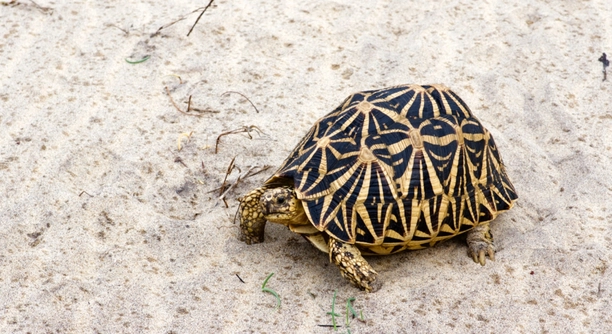
Are you fascinated by the unique behaviors of Indian star tortoises and eager to understand how they interact during mating?
Indian star tortoise mating behavior involves complex rituals, including head bobbing, circling, and gentle nudges. Males often compete for a mate, displaying dominance through physical gestures and sounds to gain the female’s attention.
From courtship displays to subtle social cues, these behaviors reveal the intriguing world of tortoise communication and bonding during reproduction.
Courtship Rituals of Indian Star Tortoises
Male Indian star tortoises engage in distinct courtship behaviors to attract a mate. These rituals include circling the female, bobbing their heads, and making soft grunting sounds. The male may also gently nudge or bump the female’s shell to test her receptiveness. These actions are part of their natural mating communication and help establish dominance. During this time, males can become competitive, often chasing or ramming rivals to secure a female’s attention. Such behaviors are typical during the breeding season, which usually occurs after the monsoon period when conditions are ideal for reproduction.
Courtship is brief but essential, setting the stage for successful mating. Males rely on persistence and physical displays to gain the female’s acceptance. The interactions may appear aggressive, but they are part of the species’ natural reproductive process.
Understanding these courtship behaviors offers insight into how Indian star tortoises communicate and reproduce, highlighting the balance of dominance and consent in their mating patterns.
Mating Behavior and Sounds
Male tortoises produce distinct grunting sounds during mating, which are a common part of their behavior. These sounds signal effort and are a natural response during copulation.
The mating process can last from a few minutes to over an hour. During this time, the male mounts the female, stabilizing himself by gripping her shell. His grunting sounds continue rhythmically, which is typical for tortoises during copulation. The female remains relatively still, though she may occasionally move to reposition herself. This behavior is important for reproductive success, as proper positioning ensures effective fertilization. The grunting sounds are also a sign of exertion, often increasing in intensity as mating continues.
Observing these behaviors helps us better understand the reproductive habits of Indian star tortoises. It is essential to respect their space during this time, as any interference could disrupt the mating process and cause stress to the animals.
Female Behavior During Mating
Female Indian star tortoises often remain still during mating, but they may shift their position slightly. If the female is not receptive, she might walk away or tuck into her shell to avoid the male’s advances.
Receptive females typically allow the male to mount without resistance. However, if they feel uncomfortable, they may move around, causing the male to reposition himself repeatedly. Females can also produce soft hissing sounds if they are stressed or annoyed. Their body language, such as pulling in their legs or lowering their shell to the ground, can signal disinterest. After mating, females often seek quiet, secluded areas to rest and recover from the physical exertion.
Female behavior during mating plays an important role in reproduction. Their signals guide the male’s actions and influence the mating’s success. Observing these behaviors offers insight into the natural dynamics between male persistence and female choice during the reproductive process.
Nesting and Egg-Laying Behavior
Female Indian star tortoises search for soft, moist soil to dig a nest using their hind legs. Nesting can take several hours, as they carefully shape a cavity to ensure proper egg placement and protection.
Once the nest is ready, the female lays between 2 to 10 eggs, depending on her size and health. She deposits each egg slowly, covering them with soil afterward. This covering process is meticulous, as the female uses her legs to pack the soil tightly, concealing the nest from predators. After finishing, she may remain near the area briefly before leaving.
The nesting process is crucial for the survival of the species. The depth and location of the nest help maintain the right temperature for incubation. Temperature can even influence the hatchlings’ gender, with warmer nests typically producing females and cooler ones producing males. This delicate process highlights the female’s essential role in ensuring healthy offspring.
Hatchling Behavior After Emerging
Newly hatched Indian star tortoises break through their eggs using an egg tooth, a small, temporary structure on their beak. They rest inside the nest for a short period, absorbing the remaining yolk for nourishment. Once ready, they emerge and instinctively begin exploring their surroundings.
Hatchlings are vulnerable to predators, so they often stay hidden under leaves or burrow into the soil. Their movements are slow and cautious as they navigate their new environment. Despite their small size, they quickly learn to search for food, such as tiny plants and leaves.
Mating Season Timing
The Indian star tortoise mating season usually occurs after the monsoon rains, when food and water are abundant. Increased humidity and cooler temperatures signal the start of breeding activities. Mating typically happens from June to November, aligning with the best conditions for egg incubation and hatchling survival.
Territorial Behavior During Mating
Male Indian star tortoises become more territorial during the mating season. They often chase or ram other males to establish dominance. This behavior helps secure access to receptive females and reduces competition during the breeding period.
FAQ
How long does Indian star tortoise mating last?
Mating can last anywhere from a few minutes to over an hour. The duration depends on the male’s ability to maintain his position and the female’s cooperation. Shorter sessions are common, but longer ones can improve fertilization chances.
At what age do Indian star tortoises start mating?
Males typically reach sexual maturity around 6 to 8 years of age, while females take longer, maturing between 8 to 12 years. Age, size, and overall health all play a role in determining reproductive readiness.
Do Indian star tortoises mate year-round?
No, mating usually occurs after the monsoon season, from June to November. The increased humidity and availability of food create ideal conditions for breeding. However, in captivity, they may mate outside of their typical breeding season.
How can you tell if a female tortoise is ready to lay eggs?
A gravid female becomes restless and may start digging multiple test holes with her hind legs. She may also lose her appetite and spend more time exploring soft, moist soil to find the perfect nesting spot.
Do Indian star tortoises display aggressive behavior during mating?
Yes, males can become aggressive toward one another, often chasing, ramming, or flipping competitors to assert dominance. However, interactions between males and females are typically less aggressive, with the male focusing on courtship gestures.
Can Indian star tortoises reproduce without mating?
No, they require mating for fertilization. However, females can store sperm from a previous mating and use it to fertilize eggs months later. This ability allows them to lay multiple clutches from a single mating.
How many eggs do female Indian star tortoises lay?
A female typically lays between 2 to 10 eggs per clutch. Depending on her health and environmental conditions, she may lay multiple clutches in a single breeding season, with intervals of a few weeks between them.
How long is the incubation period for Indian star tortoise eggs?
Eggs usually incubate for 90 to 170 days, depending on temperature and humidity. Warmer conditions speed up development, while cooler temperatures prolong it. Temperature fluctuations can also influence the sex of the hatchlings.
What happens if a female cannot find a suitable nesting spot?
If a female fails to find a proper nesting area, she may retain her eggs, leading to a serious condition called egg binding. This requires immediate attention, as it can be life-threatening without veterinary intervention.
Do Indian star tortoises care for their hatchlings?
No, Indian star tortoises do not provide parental care. Once the eggs are laid and buried, the female leaves the nest. Hatchlings must fend for themselves, relying on their instincts for survival.
Can you breed Indian star tortoises in captivity?
Yes, but it requires careful monitoring of temperature, humidity, and diet to mimic their natural habitat. Successful breeding in captivity can support conservation efforts, as Indian star tortoises are threatened by illegal wildlife trade.
How do male tortoises compete for a mate?
Males often engage in physical displays, such as ramming or flipping rivals. They may also grunt and circle the female to gain her attention. These behaviors establish dominance and reduce competition for mating opportunities.
Can Indian star tortoises mate with other tortoise species?
No, they cannot mate with other species. Successful reproduction requires compatible genetics, and different tortoise species have distinct mating behaviors and biological differences that prevent crossbreeding.
Do tortoises experience stress during mating?
Yes, both males and females can experience stress, especially if mating occurs frequently or if the enclosure lacks proper space. Providing hiding spots and adequate room for natural behaviors helps reduce stress levels.
Final Thoughts
Indian star tortoises have fascinating mating behaviors shaped by their instincts and environment. From courtship displays to nesting habits, every part of their reproductive process plays a vital role in their survival. Understanding their behaviors helps us appreciate how these tortoises communicate, compete, and reproduce. Their patterns, from territorial disputes to careful egg-laying, show the balance of persistence and patience in nature. Observing these behaviors, whether in the wild or captivity, highlights their unique personalities and natural rhythms.
Caring for Indian star tortoises, especially during the breeding season, requires knowledge and attention. Providing proper space, temperature, and nesting areas helps them stay comfortable and reduces stress. In captivity, replicating their natural environment encourages healthy behavior and successful reproduction. Responsible breeding programs also contribute to conservation efforts, protecting these tortoises from the threats they face in the wild. Knowing how they behave during mating and nesting allows keepers to support their health and well-being.
Preserving Indian star tortoises is important for maintaining their population, especially as habitat loss and illegal trade threaten their survival. Learning about their mating habits gives us a deeper connection to their lives and highlights the importance of protecting their habitats. Whether you observe them in nature or care for them at home, respecting their natural behaviors is key. Supporting conservation initiatives and promoting responsible care ensures that future generations can continue to admire these remarkable tortoises.

Hello,
If you enjoy the content that we create, please consider saying a "Thank You!" by leaving a tip.
Every little bit helps us continue crafting quality advice that supports the health, happiness, and well-being of pets around the world, for pets of all shapes, sizes, and species.
We really appreciate the kindness and support that you show us!