
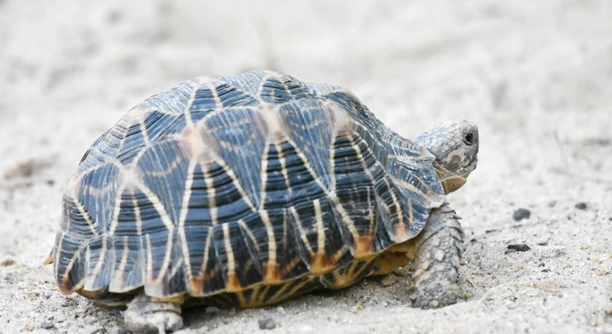
Indian star tortoises are unique and beautiful creatures, but they face various risks in the wild. Protecting them from predators is essential for their well-being. Understanding how to safeguard these tortoises can make a significant difference in their survival.
To keep your Indian star tortoise safe, providing a secure, predator-proof environment is key. This includes creating enclosed spaces, using natural deterrents, and staying alert to potential threats. Regular monitoring ensures the tortoise’s safety from predators.
Implementing these tips will help ensure a safer living space for your tortoise. Understanding these precautions is crucial for protecting them from harm.
Creating a Secure Enclosure for Your Tortoise
One of the most effective ways to protect your Indian star tortoise from predators is by providing a secure enclosure. A well-built, sturdy fence or barrier will keep larger animals out. Ensure the enclosure is tall enough to prevent climbing and deep enough to avoid digging attempts. For additional protection, use materials that are resistant to wear and tear from both animals and the elements. Ensure that there are no gaps where small predators like rodents or snakes can enter. By building a safe, secure environment, you significantly reduce the risk of potential threats to your tortoise.
A strong and reliable enclosure is your first line of defense against many threats.
It’s important to keep the enclosure clean and regularly inspect for damage. Even a small hole or crack can become a point of entry for predators. If necessary, reinforce areas where wear is more likely to occur. By maintaining the integrity of the enclosure, you ensure that the space remains safe and secure for your tortoise. Consider adding extra layers of protection, such as a mesh cover, to provide further defense against aerial predators.
Use Natural Deterrents
Natural deterrents are an effective, low-maintenance way to keep predators at bay.
Placing thorny plants, rocks, or fencing around the enclosure can discourage larger animals from approaching.
Providing Hiding Spots
Indian star tortoises are more vulnerable to predators when they are out in the open. Offering hiding spots within the enclosure can make a big difference. By adding plants, rocks, or logs, your tortoise has the option to retreat into a more secure area when it feels threatened. This also mimics their natural habitat, where they would typically seek shelter from danger.
Providing a variety of hiding spots gives your tortoise the freedom to choose where it feels safest. Ensure these spots are well-distributed across the enclosure, providing multiple options. You can also use a combination of low plants and small structures to create cozy hideaways.
It’s also important to ensure the hiding spots are spacious enough for your tortoise to comfortably retreat to. If the hiding spaces are too small or restrictive, your tortoise may feel more stressed. By observing how your tortoise uses the hiding spots, you can adjust their placement and size to better suit its needs, ensuring it has a safe, quiet space when it needs it.
Monitor the Environment Regularly
Regular monitoring of your tortoise’s environment is key to ensuring safety.
Check the enclosure for any signs of damage, predators, or other potential threats. Look for any new gaps or weaknesses in the fencing and fix them promptly. Predators may attempt to breach the enclosure, so vigilance is necessary. Additionally, keep an eye on the overall health of your tortoise, ensuring that it’s not stressed or showing signs of injury from external threats.
Secure Feeding Areas
Ensure that your tortoise’s feeding area is separate from its hiding spaces. Keep food inside the enclosure but away from potential entry points for predators. This not only encourages natural foraging behaviors but also minimizes the risk of attracting animals that could harm your tortoise.
A separate feeding area keeps the environment organized and less inviting to outside threats. By maintaining clear boundaries for eating and shelter, you can help your tortoise focus on safe eating while also protecting it from scavengers. This simple precaution helps reduce stress and prevent unwanted interactions with predators.
Consider Nighttime Protection
At night, predators are more active, which means extra precautions are necessary.
Ensure your tortoise is securely indoors or in a well-protected enclosure before dark.
FAQ
What types of predators should I be most concerned about?
Indian star tortoises face threats from various predators, including foxes, dogs, raccoons, and even birds of prey. Small predators like rodents and snakes can also pose a danger, especially when the tortoise is young or smaller in size. These animals can get through small gaps or find ways into an enclosure if not properly secured. It’s essential to consider all types of predators, both large and small, when designing a protective environment for your tortoise.
How can I tell if a predator has entered the enclosure?
Signs of predator entry can vary depending on the animal. Look for evidence such as broken fencing, disturbed soil, or signs of digging around the base of the enclosure. You may also notice marks or scratches on the enclosure’s walls. If you see that your tortoise is missing or showing signs of injury, this could also indicate that a predator has gotten inside. Regular checks of your enclosure help ensure any issues are spotted quickly.
Can I rely on a single type of enclosure for all predators?
While a well-built enclosure can protect your tortoise from many predators, it’s best to combine multiple strategies. Use sturdy fencing to deter larger predators and smaller mesh or netting to keep out smaller ones. Additionally, incorporating natural deterrents like thorny plants or barriers around the enclosure helps prevent access from different directions. A single enclosure may not be enough for all threats, so consider using a combination of methods for the best protection.
Should I keep my tortoise indoors at night?
Yes, keeping your tortoise indoors at night is one of the most effective ways to protect it from predators. Many predators are more active after dark, and your tortoise is more vulnerable when it’s not in a fully secure environment. If you have an outdoor enclosure, make sure it’s designed to provide maximum security against nighttime threats. Alternatively, bringing your tortoise inside at night ensures it is safe from harm.
How often should I inspect the enclosure for potential threats?
You should inspect your tortoise’s enclosure at least once a week for any signs of damage or predator activity. Look for weak spots in the fencing or signs of digging around the base. Regular inspections ensure that you can fix any issues before they become major problems. It’s also important to check the health of your tortoise regularly, especially if you suspect an attack or injury.
Can I use traps or repellents to protect my tortoise?
Using traps or repellents can help reduce the risk of predators, but they should be used in conjunction with other protective measures. Live traps can catch animals that are attempting to enter your tortoise’s enclosure, but they won’t stop the next predator from trying. Repellents like natural scents or even noise deterrents can discourage animals from approaching, though they may not provide a complete solution. It’s best to use these methods as a supplemental form of protection.
What’s the best material to use for fencing?
The best material for fencing your tortoise’s enclosure is one that is both strong and durable. Welded wire or metal mesh is a popular choice for its strength and ability to withstand pressure. It’s important to choose materials that cannot be chewed through by small animals or broken by larger ones. If using wood, ensure it is thick and reinforced, and avoid materials that could rot or degrade over time. A combination of materials, such as metal for the walls and a heavy-duty mesh for the bottom, provides added security.
Can outdoor plants help protect my tortoise from predators?
Yes, certain plants can help deter predators from approaching your tortoise. Thorny or spiky plants, such as cactus or holly, can act as a natural barrier, making it more difficult for animals to approach or climb over the fencing. Additionally, tall plants or bushes can provide cover, allowing your tortoise to hide if it feels threatened. Just make sure the plants you choose are safe for your tortoise and won’t cause harm if it eats them.
How do I keep my tortoise safe from aerial predators?
Aerial predators, like hawks or eagles, can be a concern for small tortoises. To protect against them, ensure that your enclosure has a roof or overhead netting. Using mesh with small holes will prevent birds from being able to grab or snatch your tortoise. Make sure that the roofing or netting is securely attached to the fencing to prevent predators from finding a way through. This extra layer of protection can make a big difference, especially for younger or smaller tortoises.
What should I do if I find my tortoise injured?
If you find your tortoise injured, the first step is to assess the extent of the injury. Check for cuts, scratches, or other visible wounds. If the injury is minor, you can clean it with mild antiseptic and apply a bandage if necessary. However, if the injury is severe or if your tortoise shows signs of distress, seek professional help from a vet specializing in reptiles. Quick action can prevent infections and help your tortoise recover more quickly.
Final Thoughts
Keeping your Indian star tortoise safe from predators requires attention to detail and consistent care. A secure enclosure is essential, but it’s also important to ensure that it mimics the natural environment in which your tortoise would seek shelter. This means providing plenty of hiding spots, securing boundaries, and ensuring the right climate within the enclosure. By taking these steps, you reduce the risk of potential threats and create a safe environment for your tortoise to thrive.
Regular monitoring of the enclosure is crucial in spotting any signs of predator activity. It’s important to fix any issues, such as broken fencing or damaged walls, as soon as they appear. Regular checks will not only keep predators at bay but also ensure that your tortoise remains healthy and stress-free. An environment that feels safe will encourage your tortoise to be more active and content, which is essential for its overall well-being. Don’t overlook the importance of inspecting the entire area, including the ground for signs of digging or attempted breaches.
Finally, while the steps mentioned will help reduce the risk of predators, it’s also important to remain vigilant. Predators can adapt to different environments, so it’s crucial to stay proactive in keeping your tortoise safe. Keeping your tortoise indoors at night, securing the enclosure from all angles, and being mindful of potential threats in the surrounding area are all necessary actions. Ultimately, the goal is to create an environment where your tortoise can feel secure and live comfortably without fear of danger.

Hello,
If you enjoy the content that we create, please consider saying a "Thank You!" by leaving a tip.
Every little bit helps us continue crafting quality advice that supports the health, happiness, and well-being of pets around the world, for pets of all shapes, sizes, and species.
We really appreciate the kindness and support that you show us!